


- female
- 45 Years
- 29/01/2025
I'm taking HCQS tablets in the morning and at night for synovitis treatment, but I recently noticed during a routine blood test that my iron levels are low. Is there a particular iron supplement I can take alongside HCQS without worrying about any interactions?

Answered by 1 Apollo Doctors

You can consider taking ferrous sulfate or ferrous fumarate iron supplements, which are generally well-tolerated and less likely to interact with HCQS
Dr. Kareemulla Suggests...
Consult a Rheumatologist
Answered 04/07/2025
0
0

More Rheumatology Health Queries
View allDoes eating chicken raise uric acid levels? I'm worried it might, and I want to know if I should stop eating it. Can you help clarify this for me?
Rabeprazole*: A proton pump inhibitor (PPI) to reduce stomach acid. 2. *Amoxicillin*: An antibiotic to combat the H. pylori bacteria. 3. *Clarithromycin*: Another antibiotic to help eradicate the infection. *Side Effects* The loose motion or loss of control when passing stool could be a side effect of the antibiotics, particularly: 1. *Amoxicillin*: Can cause gastrointestinal upset, including diarrhea. 2. *Clarithromycin*: May also contribute to diarrhea or loose stools. the dosage or recommend an alternative medication. 3. *Probiotics*: Consider taking probiotics to help maintain a healthy gut microbiome and alleviate diarrhea. 4. *Hydration*: Drink plenty of fluids to stay hydrated and manage loose stools.


Answered by 1 Apollo Doctors
I'm really worried about my mom. She just turned 55, and we got her general blood examination results back yesterday. Her ESR value is at 42, which seems to be almost twice the normal range. I'm not exactly sure what this indicates. Could you help me understand what this means and what steps we should take next?
Congratulations on your weight loss. To gain weight in a healthy way, focus on nutrient-dense foods. Here's a vegetarian, South Indian-inspired diet plan: *Daily Caloric Intake* To gain weight, aim for an additional 250-500 calories above your maintenance level. For you, this would be around 2200-2500 calories per day. *Meal Plan* *Breakfast* - Idlis (2-3) with sambar and chutney (400 calories) - Pongal with vegetables and nuts (500 calories) - Whole-grain toast with avocado and banana (450 calories) *Lunch* - Brown rice with lentil-based sambar, vegetables, and a dollop of ghee (600 calories) - Whole-grain chapati with vegetable curry and dal (550 calories) - Mixed rice with vegetables, nuts, and seeds (500 calories) *Snacks* - Fresh fruits with nuts (150-200 calories) - Yogurt with honey and granola (200-250 calories) - Roasted chickpeas or makhana (100-150 calories) *Dinner* - Similar to lunch options, with a focus on complex carbohydrates, protein, and healthy fats. *Non-Veg Options (2 times a week)* - Grilled chicken or fish with brown rice and vegetables (500-600 calories) - Lentil-based soups with lean meat or eggs (400-500 calories) *Additional Tips* 1. *Eat frequently*: 5-6 meals per day to keep your metabolism boosted. 2. *Incorporate healthy fats*: Nuts, seeds, avocado, and olive oil. 3. *Choose calorie-dense foods*: Dried fruits, granola, and trail mix. 4. *Stay hydrated*: Drink plenty of water throughout the day. 5. *Consult a doctor or nutritionist*: For personalized guidance and to ensure you're meeting your nutritional needs.
Answered by 1 Apollo Doctors
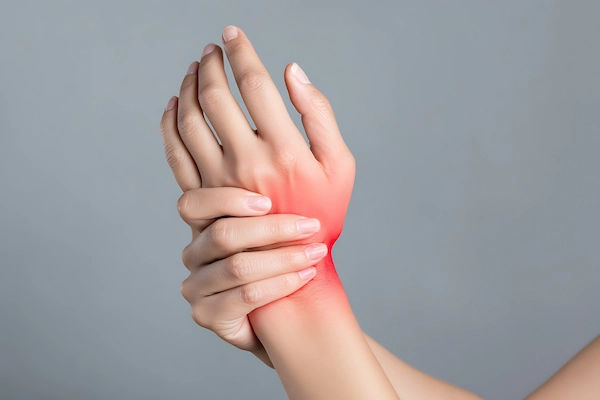
My husband has been struggling with swelling and a burning sensation in his wrist for the last couple of weeks. His recent blood work showed a high CRP of 7.12 mgL and an ESR of 11 mgL. Plus, he's got a very low vitamin D level, sitting at 9.23. I'm worried about what might be causing the high CRP, especially since I've noticed his skin turning red near the painful area. The doctor recommended he take Calcirol, CoQ10, and Shelcal HD 12. Could these actually help in reducing his CRP levels?
A small, hard, and painless lump under the skin can be concerning. _Possible causes:_ 1. _Ganglion cyst_: A common, benign lump that can develop under the skin, often near joints. 2. _Lipoma_: A harmless, fatty lump that can grow under the skin. 3. _Calcification_: A small deposit of calcium that can form under the skin. 4. _Benign tumor_: A non-cancerous growth that can develop under the skin. _What to do:_ 1. _Consult a doctor_: Schedule an appointment with a primary care physician or a dermatologist. 2. _Examination and diagnosis_: A doctor will examine the lump and may order imaging tests (e.g., ultrasound or X-ray) to determine the cause. 3. _Treatment options_: Depending on the diagnosis, treatment may involve monitoring, removal, or other interventions. _When to seek immediate attention:_ 1. _Rapid growth_: If the lump grows rapidly or changes in size. 2. _Pain or tenderness_: If the lump becomes painful or tender. 3. _Redness or swelling_: If the surrounding skin becomes red, swollen, or inflamed.
Answered by 1 Apollo Doctors
Health Articles for you
View all

Disclaimer: Answers on Apollo 247 are not intended to replace your doctor advice. Always seek help of a professional doctor in case of an medical emergency or ailment.