


- female
- 30 Years
- 01/04/2021
Can blood type change?

Answered by 1 Apollo Doctors

No
Dr. Anshul Suggests...
Consult a Haematologist
Answered 04/07/2025
0
0


Ask Apollo
AI powered Health Chatbot
Blood type is generally stable throughout a person's life because it is determined by genetics. However, there are very rare situations where blood type might appear to change, such as after certain medical treatments like bone marrow transplants or in some diseases affecting the blood cells.
Key points to understand:
-
Blood type is inherited: Your blood type (A, B, AB, or O, along with Rh factor) is set by your parents' genes.
-
Usually permanent: For most people, blood type does not change over time.
-
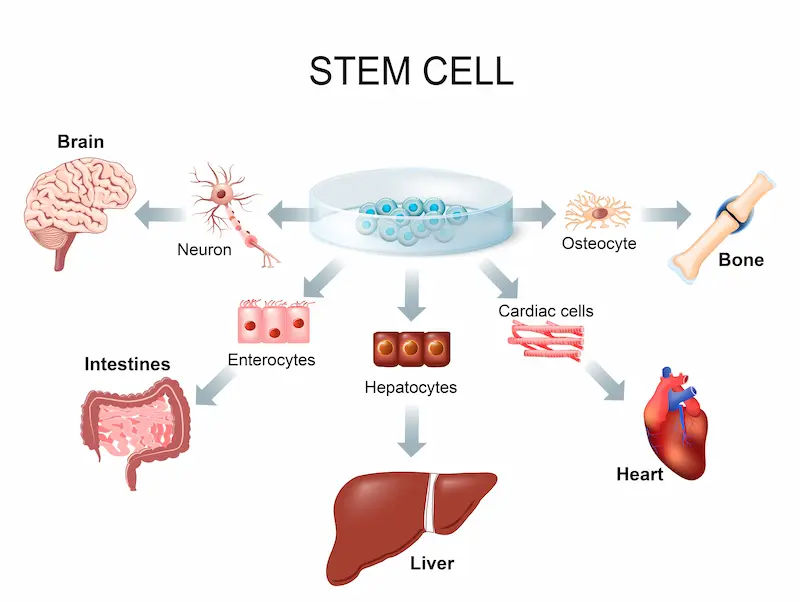
Rare exceptions: In cases like bone marrow or stem cell transplants, the donor's blood type can replace the recipient's, effectively changing it.
-
Medical conditions: Some rare blood disorders or cancers can alter blood cell characteristics, which might affect blood typing tests.
If you have concerns about your blood type or need testing, it's best to consult your healthcare provider for accurate information and guidance.
Other Related topics like...
 Can blood type change after a blood transfusion?
 Answered 20/08/2025
0
0
More Haematology Health Queries
View allI'm dealing with a pretty low vitamin B12 level, around 72Pgml, and I've been having some back and shoulder pains. Sometimes I even feel a bit dizzy. Could this be linked to the low B12? What can I do to get it back to normal?
To address a low vitamin B12 level of 72 pgmL, consider the following steps: consult your doctor about starting vitamin B12 supplements, either orally or through injections, aiming for a daily dose of 2.4-2.6 mcg; increase dietary intake of B12-rich foods, such as fish, meat, poultry, eggs, dairy products, and fortified plant-based milk; and address potential underlying causes of deficiency, such as gastrointestinal disorders or medication interactions; regarding symptoms, yes, low B12 levels can cause back and shoulder pain, dizziness, fatigue, and numbness or tingling sensations, so correcting the deficiency may help alleviate these symptoms.


Answered by 1 Apollo Doctors
What happens if Rh negative receive Rh positive blood?
RH incompatibility occurs
Answered by 1 Apollo Doctors
I'm wondering if having high MCH and MCV levels could be making me gain weight. Also, could these levels cause any issues with altitude sickness? I'm planning to climb Kilimanjaro next month, so I'm curious about how this might affect me.
High MCH and MCV often indicate macrocytic anemia, which can affect energy levels and endurance, possibly making weight gain harder and altitude sickness more challenging. Before climbing Kilimanjaro, consult your doctor to address this, as anemia may impact oxygen transport in high-altitude conditions.
Answered by 1 Apollo Doctors
Health Articles for you
View all

Disclaimer: Answers on Apollo 247 are not intended to replace your doctor advice. Always seek help of a professional doctor in case of an medical emergency or ailment.