


- female
- 45 Years
- 29/01/2025
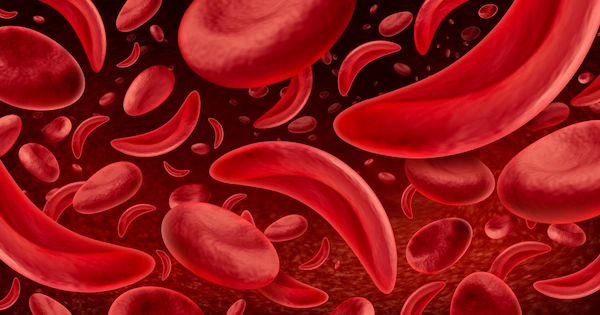
I'm trying to understand what "RBCs normocytic normochromic" means on my blood test results. Is it connected to anemia? It's a bit confusing, and I'm hoping you could explain it to me.

Answered by 1 Apollo Doctors

Severe acidity and vomiting can be debilitating.
Immediate Relief:
- Stay hydrated: Drink small, frequent sips of water or electrolyte-rich fluids (coconut water, sports drinks).
- Ginger: Try ginger tea, ginger ale, or ginger candies to help alleviate nausea.
- Bland diet: Opt for plain crackers, toast, or plain rice.
- Avoid triggers: Steer clear of spicy, fatty, or acidic foods.
Acidity Control:
- Antacids: Take over-the-counter antacids like Tums, Rolaids, or Mylanta.
- Proton pump inhibitors (PPIs): Consult your doctor about prescription PPIs like omeprazole or lansoprazole.
Medical Attention:
- Seek immediate help: If vomiting persists, or you experience severe abdominal pain, dizziness, or difficulty breathing.
- Consult a gastroenterologist: For personalized guidance and treatment.
Remember, if your symptoms worsen or persist, seek medical attention.
Dr. Ranjith Suggests...
Consult a Haematologist
Answered 04/07/2025
0
0

More Haematology Health Queries
View allWhat are the 3 stages of iron deficiency?
Stage-1 Decrease in total iron body content , Stage-2 Reduced red blood cell formation , Stage-3 Decreased Hemoglobin concentration


Answered by 1 Apollo Doctors
I just received my blood test results, and it shows my lymphocytes are high. Should I be worried about this? Can it indicate something serious?
If you have no symptoms no need to worry,consume balanced diet and more fruits and maintain healthy lifestyle.
Answered by 1 Apollo Doctors
I'm really concerned about my recent test results and hoping you can help me make sense of them. I got a 1g Jilazo injection back in May when my ferritin was 14 ngml, total iron was 80 mcgdL, TIBC was 339 mcgdL, and Hb was 9.7 gdL. I've got beta thalassemia trait and was told to take Folvite and Quicobal 1500 mcg. When I got tested again in August, my Hb dropped to 9.3, TIBC was 242 mcgdL when it normally should be between 265 and 297, total iron was down to 70 mcgdL, and ferritin had jumped to 280 ngmL, way higher than the normal 13 to 150 ngdL range. I'm worried if the high ferritin and low TIBC are because of the Jilazo injection, and I'm trying to understand why my Hb and iron levels have decreased. Does high ferritin mean something bad, and should I be concerned since I also have Acidic GERD and Grade A Esophagitis? Would love your thoughts.
consult general Manager hydiviam
Answered by 1 Apollo Doctors
Health Articles for you
View all
Disclaimer: Answers on Apollo 247 are not intended to replace your doctor advice. Always seek help of a professional doctor in case of an medical emergency or ailment.