


- female
- 50 Years
- 01/04/2021
Is chicken good for high blood pressure?

Answered by 1 Apollo Doctors

Choose fish, lean cuts of meat, skinless poultry and low-fat milk instead.If you eat beef, chicken, or fish that has been broiled or grilled at high temperatures, you may be increasing the likelihood that you'll develop high blood pressure,
Dr. Ibrahim Suggests...
Consult a Cardiologist
Answered 04/07/2025
0
0


Ask Apollo
AI powered Health Chatbot
-
Choose Lean Cuts:
- Opt for skinless chicken breast to reduce fat and saturated fat intake.
-
Avoid Frying:
- Steer clear of fried chicken; prefer grilling, baking, or steaming.
-
Limit Added Salt:
- Use herbs, spices, and lemon for flavor instead of salt.
-
Balance Your Diet:
- Pair chicken with vegetables, whole grains, and fruits.
-
Watch Portion Sizes:
- Maintain moderate portions to support healthy weight and blood pressure.
Consult a dietitian or doctor for personalized advice. Chicken can be part of a heart-healthy diet when prepared healthily.
Recommended next steps
Consult a Clinical Nutritionist
Answered 20/08/2025
0
0
More Cardiology Health Queries
View allI've been having trouble taking deep breaths for about a month now. It feels like there's pressure on my heart, and I can't get rid of this dry mouth, even though I'm drinking lots of water. My X-ray and thyroid tests came back normal. What could be going on? Is there something I should be worried about?
gastritis - take pantop 4 mg for 3 days


Answered by 1 Apollo Doctors
I'm having some pain on the left side of my chest, it feels like a pinching sensation. Yesterday it got really bad, to the point where I couldn't breathe properly and felt really uneasy, almost like I was going to die. It seemed to get a bit better after taking a minute-long walk, but once I sat down, the pain came back. What could be causing this, and should I be worried?
gastritis take oantop 40mg
Answered by 1 Apollo Doctors
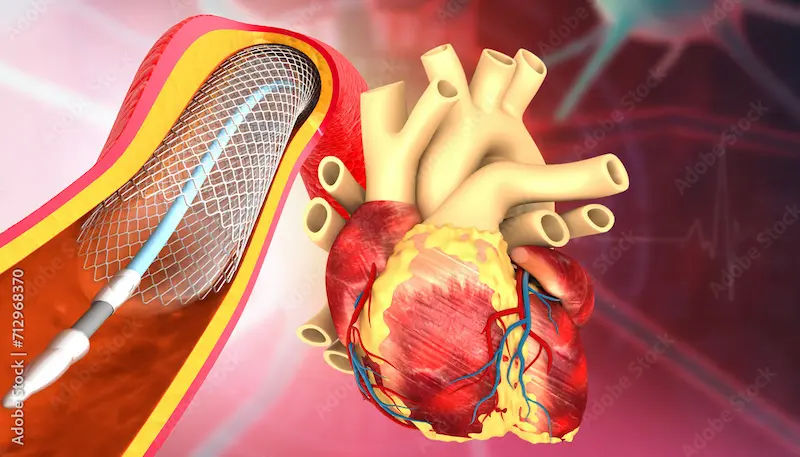
I'm really concerned about my heart health right now. My ejection factor is 38, and my doctor recommends I get an angiogram. But to be honest, I'm pretty scared about going through that procedure. Is there any other way to help improve my heart ejection factor? For context, I dont have any bad habits, weigh 68 kg, and am 6 feet tall. Any advice would really help me out.
Thats unusual,visit General Physician for appropriate approach.and maintain balanced diet and healthy lifestyle
Answered by 1 Apollo Doctors
Health Articles for you
View all

Disclaimer: Answers on Apollo 247 are not intended to replace your doctor advice. Always seek help of a professional doctor in case of an medical emergency or ailment.