



- female
- 50 Years
- 10/05/2022
Diabetes: Symptoms and complications

Answered by 1 Apollo Doctors

Few symptoms are increased thirst, extreme hunger, unexplained weight loss, frequent urination, fatigue, irritability, blurred vision, slow healing wounds and frequent infections. Increased risk of Heart attack/ Angina/ Stroke, Nerve damage, Kidney damage, Gastroparesis (Nausea/ vomiting) Diarrhea or constipation, Eye damage - blindness, Increased risk of cataract and glaucoma, Foot damage/ amputations, Skin infections, Increased risk of Alzheimer's disease/ Depression/ Hearing impairment.
Dr. Ibrahim Suggests...
Consult a Endocrinologist
Answered 04/07/2025
0
0


Ask Apollo
AI powered Health Chatbot
-
Symptoms of Diabetes
- Common signs include increased thirst, frequent urination, fatigue, and blurred vision.
- Symptoms can differ between Type 1 and Type 2 diabetes.
-
Short-term Complications
- Issues like hypoglycemia (low blood sugar) and diabetic ketoacidosis are urgent and require immediate attention.
-
Long-term Complications
- Chronic issues may affect the heart, kidneys, nerves, eyes, and feet.
- Managing blood sugar is crucial to prevent these complications.
-
When to Seek Medical Help
- Seek prompt medical attention for severe symptoms or sudden changes in health.
-
Role of Medical Specialists
- Endocrinologists, ophthalmologists, and nephrologists are key in managing diabetes and its complications.
Recommended next steps
Consult a Endocrinologist or Consult a Ophthalmologist
Answered 20/08/2025
0
0
More Endocrinology Health Queries
View allI'm really confused about something and need your help. So, a couple of weeks ago, I was diagnosed with PCOS and my doctor prescribed me Metsmail and Chirocyst to take after meals. After just a week, I've already lost 2 kg. I've been trying to control my diet during this time, too. Do you think this weight loss is because of the medication or more likely because of my diet changes? I just want to understand what's really having more effect here.
due to food


Answered by 1 Apollo Doctors
Are oranges good for diabetics?
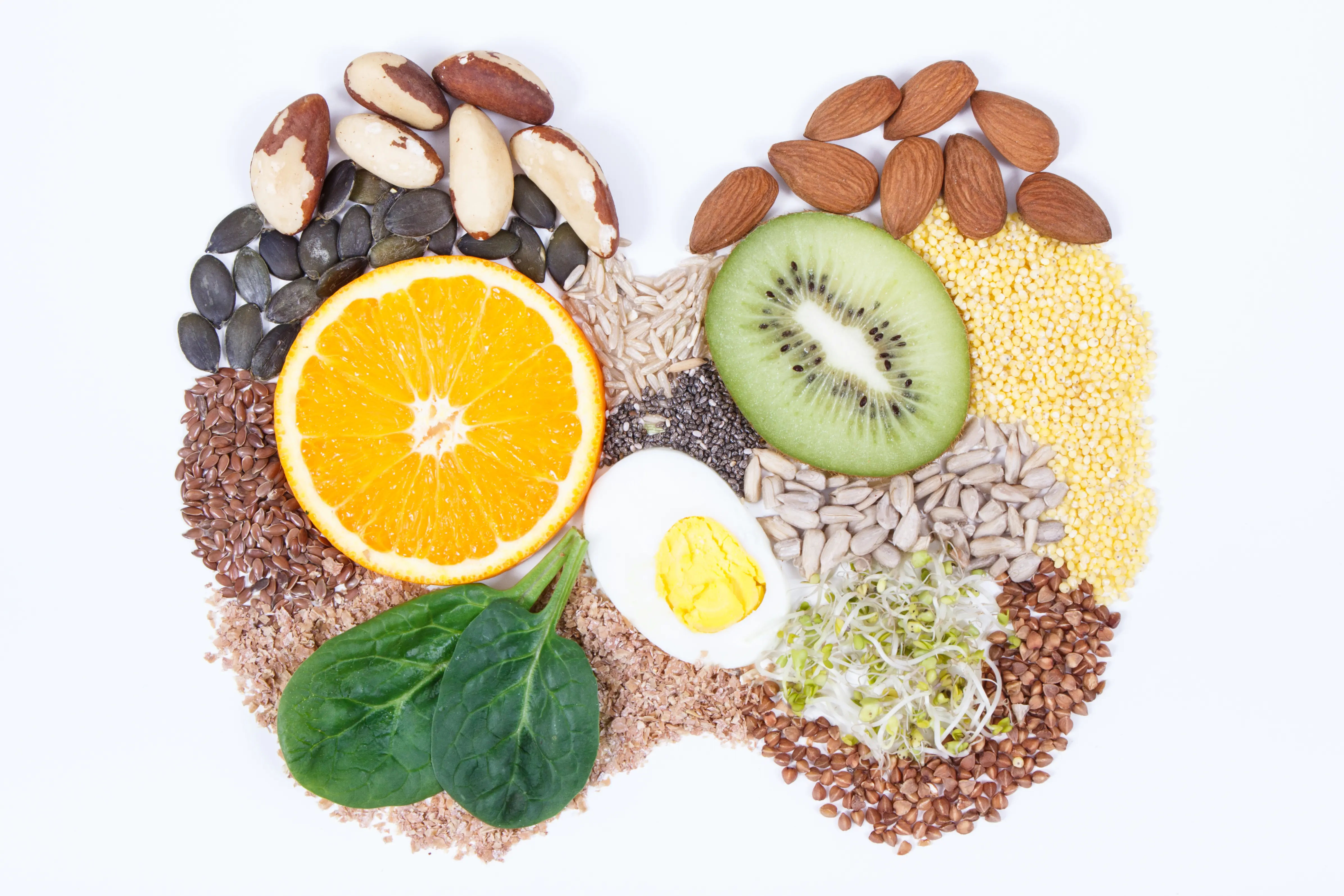
Citrus fruits like oranges, grapefruits and lemons are full of fibre, vitamin C, folate and potassium, which would help benefit a healthy diabetic eating plan. Oranges are full of fibre and also have low glycemic index.
Answered by 1 Apollo Doctors
Is PCOS serious?
If not managed properly it may lead to serious health issues.
Answered by 1 Apollo Doctors
Health Articles for you
View all



Disclaimer: Answers on Apollo 247 are not intended to replace your doctor advice. Always seek help of a professional doctor in case of an medical emergency or ailment.