


- male
- 25 Years
- 22/01/2025
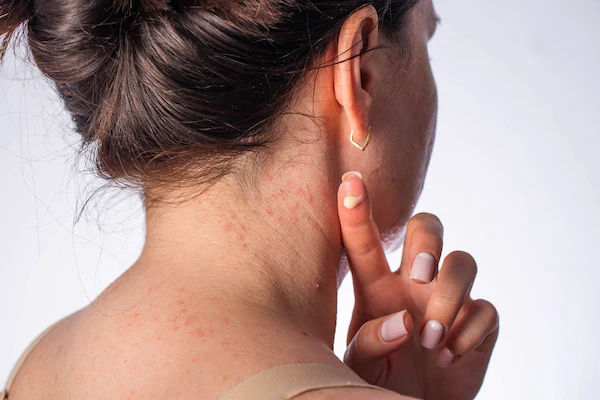
Hey, I need some advice. I had a sexual exposure a while back and I'm kind of freaking out. I've gotten tested multiple times for HIV and STDstwo months, five months, and ten months after exposure, using HIV duo combo, RNA PCR, and ECLIA testsall negative. But now, 14 months later, I've got these weird maculo papular rashes on my chest and shoulders that darkened and peeled off. Could this be related to HIV even after all those negative tests? I'm really worried and don't know what to think.

Answered by 1 Apollo Doctors

Since your HIV tests at 10 months were negative, it is less likely that this rash is directly related to HIV. However, it is important to have a proper evaluation by a healthcare provider to determine the exact cause of the rash. In the meantime, you can try using an over-the-counter antihistamine like Cetirizine (10mg) once daily to help with any itching. If the rash persists or worsens, please seek medical attention for further evaluation and management.
Dr. Shubham Suggests...
Consult a Dermatologist
Answered 04/07/2025
0
0


Ask Apollo
AI powered Health Chatbot
-
Understanding Maculopapular Rashes
- These are flat, red areas on the skin covered with small confluent bumps. Common causes include viral infections, drug reactions, and allergies.
-
Relationship Between Rash and HIV
- HIV-related rashes typically appear within weeks of exposure. A rash appearing 14 months later is unlikely to be directly related to acute HIV infection.
-
Interpretation of Multiple Negative HIV Tests
- Modern HIV tests are highly reliable. Multiple negative results over time significantly reduce the likelihood of an HIV infection.
-
Other Possible Causes of Rash
- Consider other infections, allergic reactions, or dermatological conditions as potential causes.
-
Recommended Next Steps
- Consult a healthcare provider or dermatologist for evaluation. Diagnostic tests or skin biopsies may be necessary.
-
When to Consider Further HIV Testing
- Repeat testing might be warranted if new risk factors or symptoms arise.
-
Importance of Comprehensive Medical Evaluation
- A full clinical assessment is crucial to identify the cause and appropriate treatment.
-
Support and Reassurance
- It's important to seek professional guidance. Multiple negative tests are reassuring, but further evaluation can provide clarity and peace of mind.
Recommended next steps
Consult a Dermatologist
Answered 20/08/2025
0
0
More Dermatology Health Queries
View allI've been prescribed Xerina and Kojivit ultra creams for my legs, but I'm currently breastfeeding. I'm really concerned about whether these creams are safe to use. Can you give me some guidance on this?
topical lotions cause no harm you can us ethem ,follow your doctors advice


Answered by 1 Apollo Doctors
I've been using Keraglo Eva tablets for about three months now because I'm dealing with hair fall. I'm wondering how much longer I can keep taking them safely. Is it okay to use them regularly as a normal part of my hair care routine?
Visit Physician for evaluation and appropriate management
Answered by 1 Apollo Doctors
I've noticed that my lips have been super dry lately, even though I've been taking riboflavin supplements and using seacod. I've also been applying Betnovate N ointment, but nothing seems to help. Should I be worried, or is there something else I should be doing to fix this?
stop ointment and just moisturise
Answered by 1 Apollo Doctors
Health Articles for you
View all

Disclaimer: Answers on Apollo 247 are not intended to replace your doctor advice. Always seek help of a professional doctor in case of an medical emergency or ailment.