


- female
- 30 Years
- 31/03/2021
How do eczema look like?

Answered by 1 Apollo Doctors

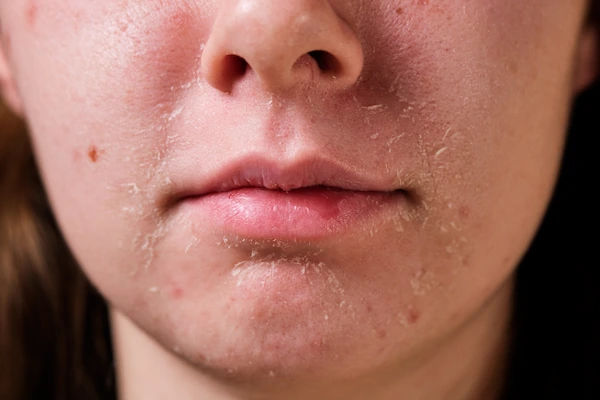
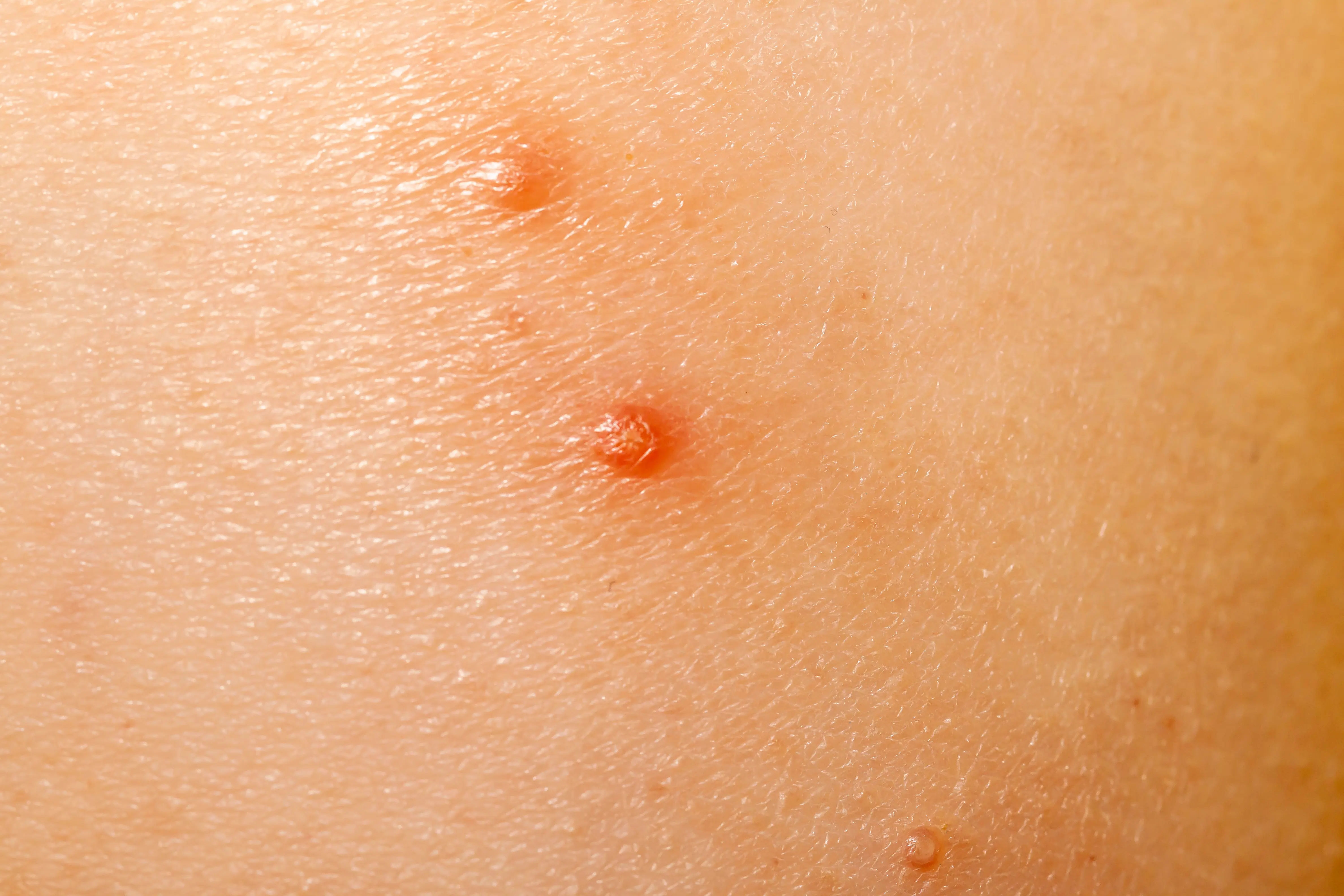
There are several types of eczema most of them cause dark coloured patches on the skin. Crusting and oozing of the area may be present. Swelling associated with rough scaly patches.
Dr. Shubham Suggests...
Consult a Dermatologist
Answered 04/07/2025
0
0


Ask Apollo
AI powered Health Chatbot
-
Appearance of Eczema:
- Red, inflamed patches
- Itchy and dry skin
- Scaly or cracked areas
-
Common Locations:
- Hands
- Inner elbows
- Behind knees
- Face
-
Additional Signs:
- Small blisters
- Skin thickening from scratching
-
Recommendation:
- Consult a healthcare professional for diagnosis and treatment.
Recommended next steps
Consult a Dermatologist
Answered 20/08/2025
0
0
More Dermatology Health Queries
View allI'm 22 and I'm really struggling with open pores on my cheeks. It's becoming a major issue for me and I'm really worried about it. Is there a way to get rid of them permanently? I just want my face to look normal again. Can you suggest anything that might help?
See a specialist for accurate diagnosis and targeted treatment.


Answered by 1 Apollo Doctors
Hey, so I recently saw a dermatologist because I'm dealing with some hair loss issues. They've prescribed Anaboom Anti Hair Fall Serum for the morning and Minoxidil Topical Solution USP 2%, Mintop for the evening, telling me to apply no more than 1 ml of each daily. I'm just wondering if it's okay to use both these treatments together like that. Really would love some advice on this!
Applying both Anaboom Anti Hair Fall Serum and Minoxidil Topical Solution (Mintop) as prescribed by your dermatologist is recommended, as the serum may help nourish and strengthen your hair, while minoxidil can stimulate hair growth and slow down hair loss, but be sure to follow the prescribed instructions and dosage to minimize potential side effects.
Answered by 1 Apollo Doctors
How should I use Onabet SD solution? Should I mix it with water, or just apply it directly? And after applying it, how long should I wait before washing my hair? I'm a bit confused about the instructions and want to make sure I'm doing it right.
To apply Onabet SD solution, you should first wash and dry the affected area thoroughly. Then, apply enough solution to cover the affected area and the surrounding skin. It should be applied directly without diluting it with water. After applying the solution, you should not wash the area for at least 3-4 hours to allow the medication to be absorbed properly. It is recommended to apply Onabet SD solution once or twice daily as directed by your healthcare provider.
Answered by 1 Apollo Doctors
Health Articles for you
View all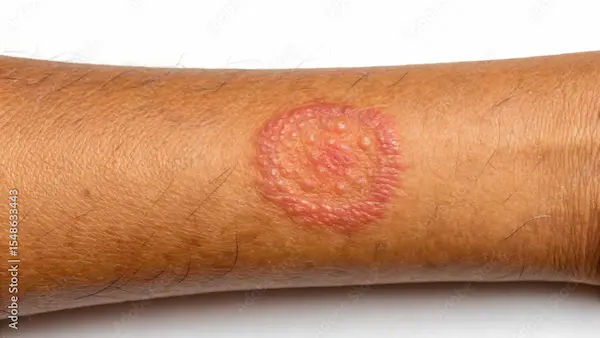
Disclaimer: Answers on Apollo 247 are not intended to replace your doctor advice. Always seek help of a professional doctor in case of an medical emergency or ailment.