


- male
- 30 Years
- 01/04/2021
How does alcohol affect the brain?

Answered by 1 Apollo Doctors

Alcohol has a profound effect on the complex structures of the brain. It blocks chemical signals between brain cells (called neurons), leading to the common immediate symptoms of intoxication, including impulsive behavior, slurred speech, poor memory, and slowed reflexes. Fore brain -assaults motor co ordination and desicion making. Mid brain - lose control over emotions Brain stem -affects heart rate ,body temperature,appetite and consciousness .
Dr. Ibrahim Suggests...
Consult a Neurologist
Answered 04/07/2025
0
0


Ask Apollo
AI powered Health Chatbot
-
Immediate Effects of Alcohol on the Brain
- Alcohol acts as a depressant, affecting brain communication.
- It impacts coordination, judgment, and mood shortly after consumption.
-
Short-Term Cognitive and Behavioral Changes
- Causes memory impairment, slowed reaction times, and altered decision-making.
- Affects emotional regulation and increases risk-taking behavior.
-
Long-Term Brain Changes with Regular Alcohol Use
- Can lead to brain shrinkage and damage to memory and executive function areas.
- Increases risk of alcohol-related cognitive disorders.
-
Impact on Neurotransmitters and Brain Chemistry
- Alters chemicals like GABA and glutamate, affecting brain activity.
- Influences mood, anxiety, and dependence.
-
Recovery and Brain Plasticity
- The brain can heal after stopping alcohol use.
- Support and medical care are crucial in recovery.
-
Medical Advice and When to Seek Help
- Follow moderate drinking limits.
- Seek professional evaluation if experiencing negative effects.
-
Relevant Medical Specialties
- Consult Neurology and Psychiatry for assessment and treatment.
- Addiction medicine can provide support for alcohol dependence.
Recommended next steps
Consult a Neurologist or Consult a Psychiatrist
Answered 20/08/2025
0
0
More Neurology Health Queries
View allIve been having trouble sleeping in my bed because my body gets totally numb. Its gotten to the point where Ive started sleeping on the floor instead. But even when I use a soft pillow, my head still goes numb. Is there any way to fix this? I'm really worried about what's going on.
Numbness in any part of body indicates some involvement of nerves. It could be due to bad posture or nerve compression. If it is due to improper posture, it will resolve with correction of posture. If numbness is persistent, Consult a Neurospine specialist.


Answered by 1 Apollo Doctors
I've been noticing that every time I use my cellphone, I start to get this strange chest pain. It's like my phone is somehow affecting my lungs, and then I have trouble breathing and my mouth feels really dry. I also think it's affecting the blood flow to my brain because I've been having these major memory issues and my mind just feels foggy. It's been happening for almost two years and seems to be getting worse. I'm really worried about my cognitive decline, like I can't remember things or visualize clearly. Is there something wrong with me specifically or has anyone else experienced this too? And is there any way to medically deal with it? I do notice that the chest pain eases up when I stay away from my phone.
Psychiatric opinion is advised to the patient.
Answered by 1 Apollo Doctors
I hit my right temple about a day ago and it's still really hurting. It's tender to the touch and I've had a headache for around 20 hours. I'm also feeling on and off nauseous, and it hurts in my temple when I open my mouth. I'm still pretty cognitive though. I'm not sure what's going on. Any idea what might be wrong?
if you experience any of the following, seek medical help immediately: Severe headache that doesn't improve with rest or medication. Persistent or worsening nausea. Dizziness or confusion. Blurry vision or difficulty focusing. Any change in cognitive function, such as memory problems, difficulty concentrating, or confusion.Based on your symptoms, your doctor may recommend an MRI or CT scan of your head to rule out any serious injury, like a concussion or fracture, and to ensure there is no internal bleeding.
Answered by 1 Apollo Doctors
Health Articles for you
View all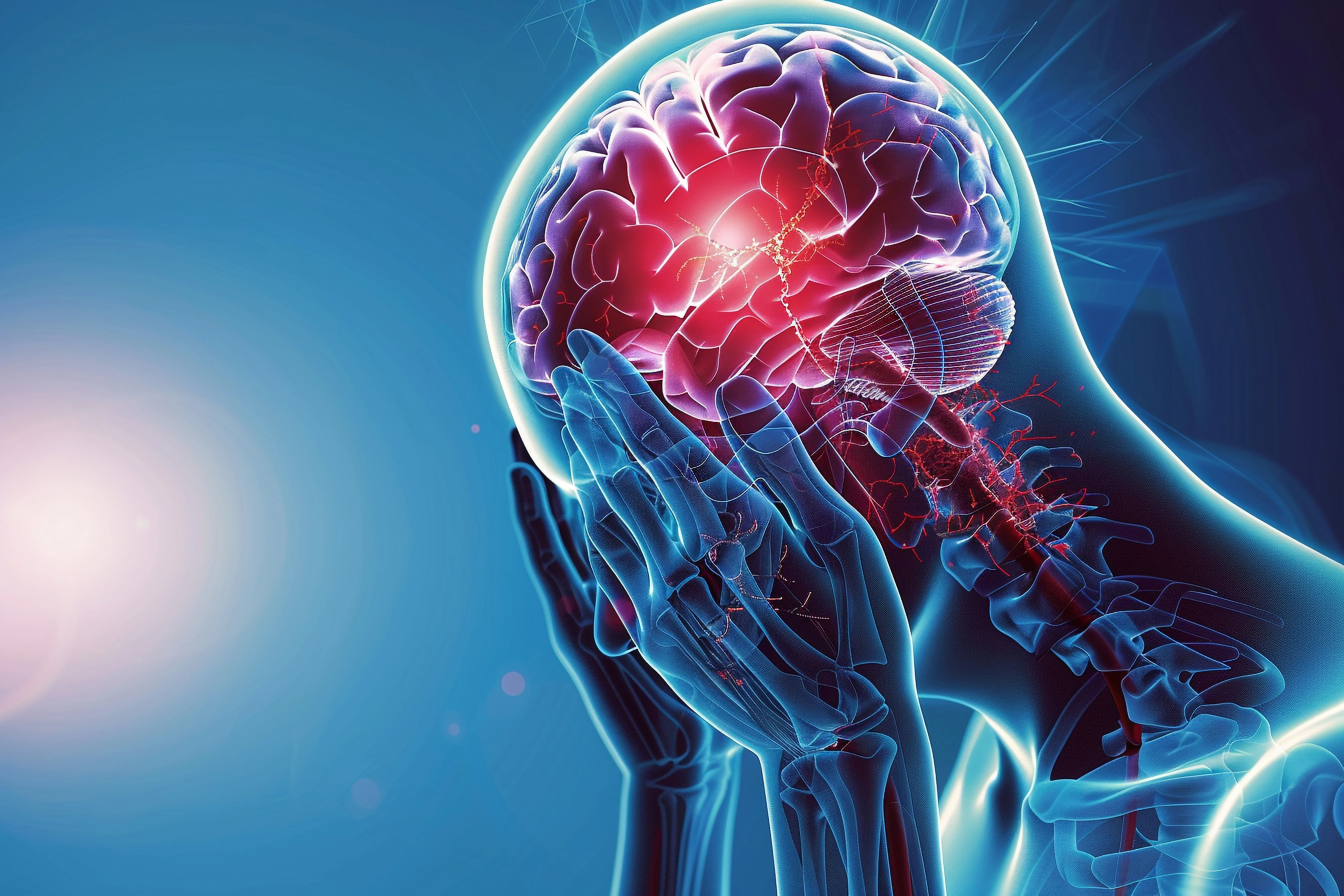



Disclaimer: Answers on Apollo 247 are not intended to replace your doctor advice. Always seek help of a professional doctor in case of an medical emergency or ailment.