


- Male
- 36 Years
- 29/01/2025
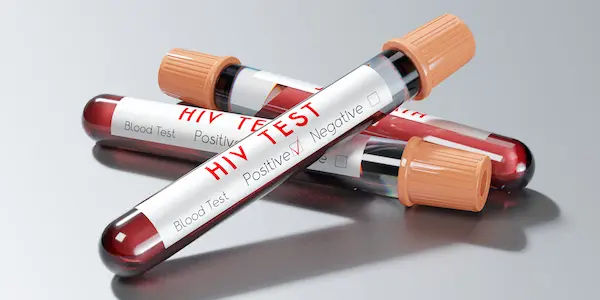
I had a situation a few months ago where I was with a prostitute and the condom broke during sex. The next day, I took her for an HIV test, and thankfully, it came back negative. Since then, I've been really anxious about it even though I've had no symptoms. Can you help me understand what the chances are of something being wrong? I'm trying to calm my nerves but it's tough not knowing.

Answered by 1 Apollo Doctors

When she is negative there is almost zero chances of you getting the disease,no need to worry get yourself tested for every 6 months
Dr. Kareemulla Suggests...
Consult a Infectious Disease specialist
Answered 04/07/2025
0
0

More Infectious Disease Health Queries
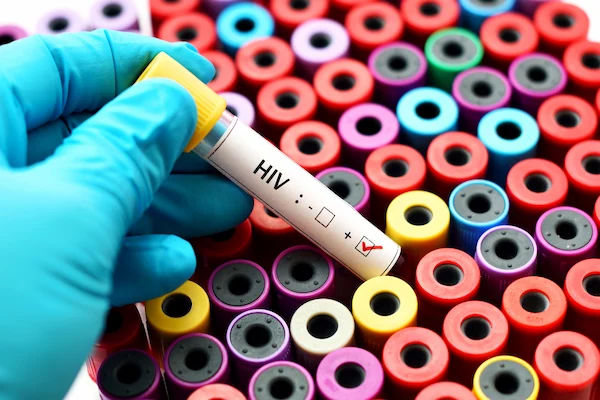
View allmy relative got an HIV ELISA test before surgery and the report says cut off value is 0.1312 with non-reactive result - can you explain what this means in simple terms? are they HIV negative or is there still a risk?
A "non-reactive" result on an HIV ELISA test, especially with a low S/CO ratio like 0.1312, means the test didn't detect any significant signs of HIV infection at the time of the test. In simple terms, this usually means the person is HIV negative, but there's a small chance of a recent infection that the test hasn't yet detected.


Answered by 1 Apollo Doctors
I'm really worried because my HIV rapid test came back negative after 7 months, and even the HIV Western Blot test was negative at 4 months. But I've been experiencing a lot of infections in my body. Is it possible that the tests might not be conclusive? Could there be any reason why my immune system is acting this way if not due to HIV?
Based on the negative results from both your HIV rapid test (at 7 months) and the HIV Western Blot (at 4 months), it is highly reassuring and suggests that you are not infected with HIV. However, if you're experiencing multiple infections, it could be worthwhile to investigate other underlying causes with your healthcare provider for further evaluation.
Answered by 1 Apollo Doctors
I'm really worried and need some advice. If I had protection and my penis just touched or rubbed a little against the upper part of the vagina, is there still a risk of HIV? Should I ask him to get tested even though there was no penetration?
The risk of HIV transmission in this scenario is extremely low, especially if protection was used, and there was no penetration or exchange of bodily fluids. Routine testing is not necessary for such contact, but if you're anxious or unsure about potential exposure, getting tested can provide peace of mind.
Answered by 1 Apollo Doctors
Health Articles for you
View all

Disclaimer: Answers on Apollo 247 are not intended to replace your doctor advice. Always seek help of a professional doctor in case of an medical emergency or ailment.