



- male
- 50 Years
- 22/01/2025
I was told I need to get a TMT test, but I'm a bit concerned about how it works. Can you tell me how fast the treadmill goes and how long the test usually lasts?

Answered by 1 Apollo Doctors

The TMT test, also known as the Treadmill Stress Test, is a common test used to assess the heart's response to stress or exercise. During the test, you will be asked to walk on a treadmill at different speeds and inclines while your heart rate, blood pressure, and ECG are monitored. The test typically starts at a slow pace with little to no incline, and the speed and incline gradually increase every few minutes. The goal is to reach a target heart rate based on your age and fitness level. The test usually lasts between 10-15 minutes. The speed of the treadmill and the incline will be adjusted by the technician conducting the test based on your physical condition and the specific protocol followed by the testing facility. It is important to follow the technician's instructions during the test to ensure accurate results. After the test is completed, the technician will monitor your heart rate and blood pressure as they gradually return to normal. The results of the test will be reviewed by a doctor to assess your heart's response to exercise and determine if there are any abnormalities. I hope this information helps you understand the procedure of the TMT test.
Dr. Dr Khaleel Suggests...
Consult a Cardiologist
Answered 04/07/2025
0
0

More Cardiology Health Queries
View allI'm currently taking Nikoran 5, and I've been having headaches and body aches since starting it. I'm a bit worried and curious about what this medication is actually for. Is there an alternative I could try to avoid these side effects?
yes headache is the side-effect of nikoran tablet given for BP. u can take a substitute after conslting a physician..


Answered by 1 Apollo Doctors
How do I know if my chest pain is serious?
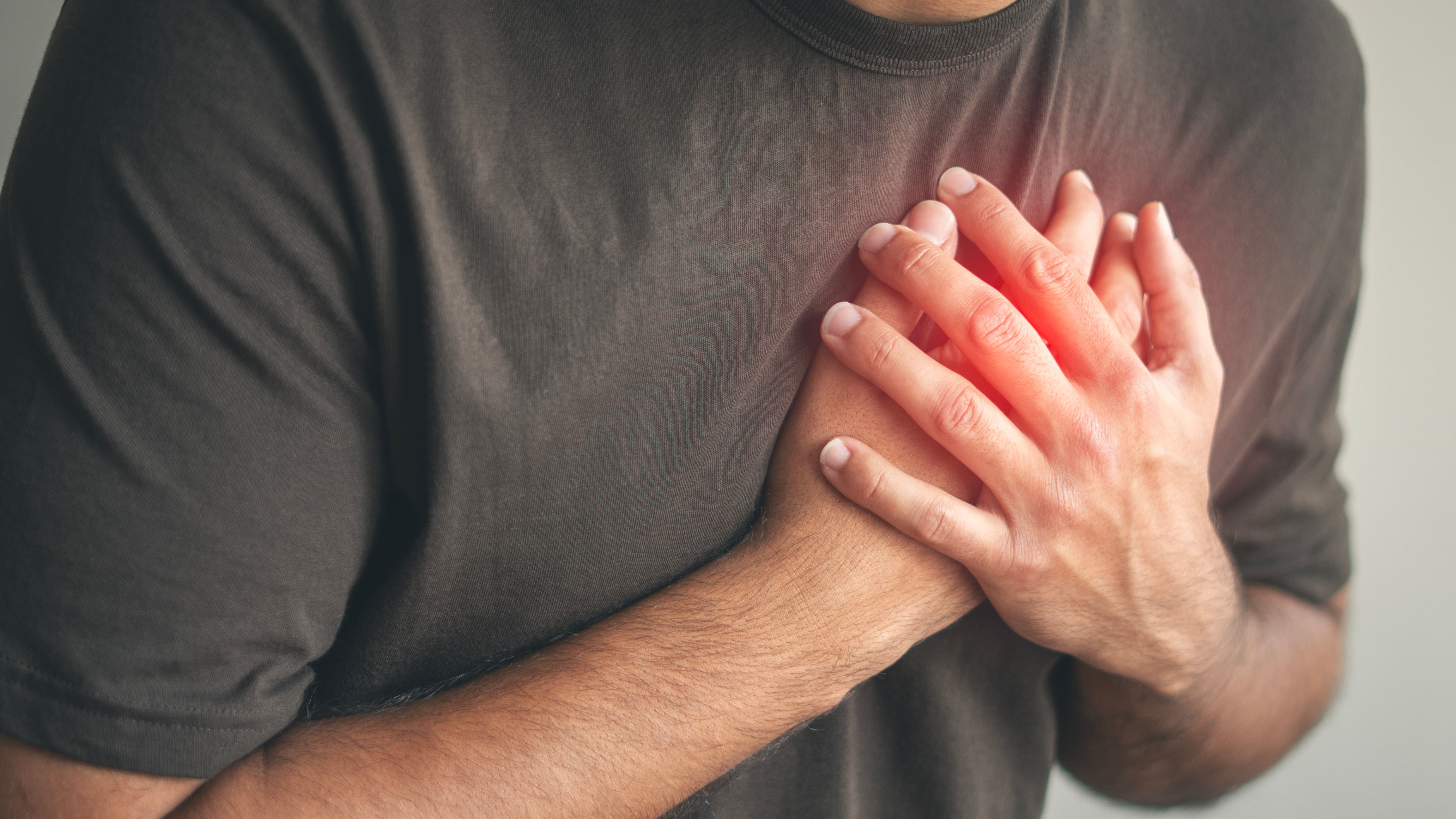
Any chest pain needs physical examination by a doctor and tests to know the cause. On a general note, if chest pain is associated with heart burn, abdominal bloating, belching then it may be due to gastritis which may be managed at home. If chest pain is sudden, radiating to left arm/ shoulder and is associated with sweating, breathing issue then it may be due to a cardiac condition which needs immediate hospital visit.
Answered by 1 Apollo Doctors
I've been feeling this heavy sensation in my head for the past few days, and while my blood pressure was normal before, recently it's been at 126 over 80. I'm curious, does the heavy feeling in my head mean my blood pressure is actually shooting up past 140 over 90 during those times? When I visited my doctor, my pressure was 126 over 80 and I didn't have that heavy feeling at that moment.
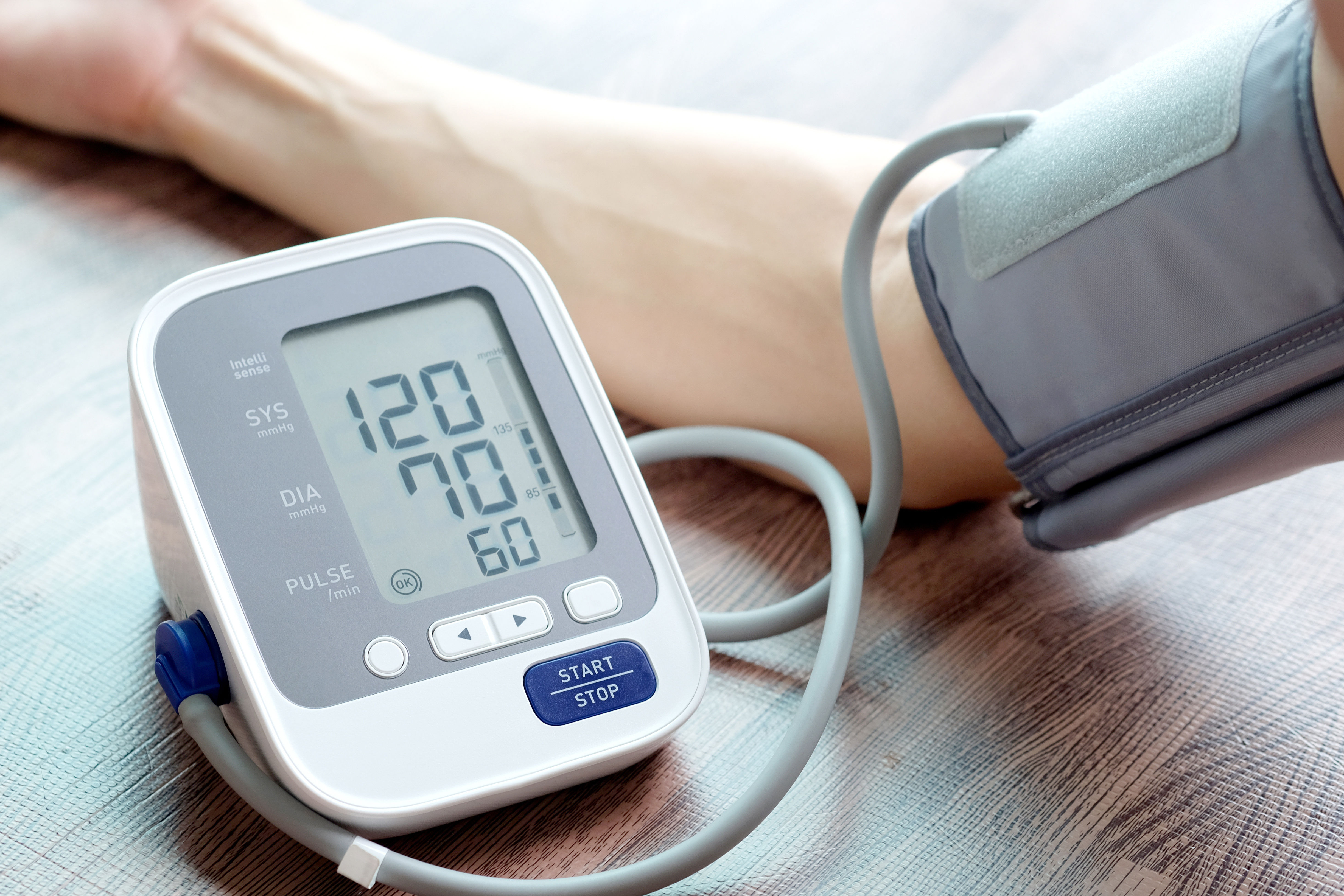
The feeling of heaviness in your head may not necessarily correlate with your blood pressure being above 14090. It is possible to experience symptoms like a heavy head even with a blood pressure reading of 12680. To help alleviate your symptoms, you can try taking a medication like Acetaminophen 500mg every 4-6 hours as needed for headache relief. Additionally, make sure to stay hydrated, practice relaxation techniques, and get an adequate amount of rest. If your symptoms persist or worsen, it is advisable to follow up with your doctor for further evaluation.
Answered by 1 Apollo Doctors
Health Articles for you
View all

Disclaimer: Answers on Apollo 247 are not intended to replace your doctor advice. Always seek help of a professional doctor in case of an medical emergency or ailment.