


- male
- 50 Years
- 20/02/2025
I'm a bit concerned about my cholesterol and triglyceride levels. My triglycerides are at 343, total cholesterol is 145, HDL is 21, and LDL is 55.4. By the way, I had an angioplasty just a month ago. Could you help me understand what these numbers mean? Should I be worried or make any changes to my routine?

Answered by 1 Apollo Doctors

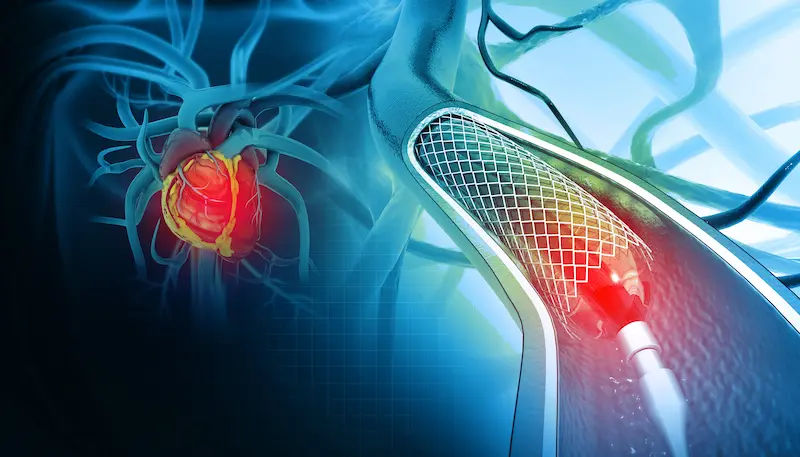
Your lipid profile indicates significantly elevated triglycerides at 343 mgdL, low HDL cholesterol at 21 mgdL, and relatively low LDL cholesterol at 55.4 mgdL. These values are concerning, especially given that you recently underwent angioplasty. Elevated triglycerides and low HDL levels are risk factors for cardiovascular disease and can contribute to plaque buildup in the arteries, increasing the risk of further complications. It is essential to follow a comprehensive treatment plan that includes lifestyle modifications such as a heart-healthy diet, regular exercise, and possibly medications to manage lipid levels. Work closely with your cardiologist to monitor and manage your lipid profile, and follow their recommendations to reduce cardiovascular risk.
Dr. Kareemulla Suggests...
Consult a Cardiologist
Answered 25/07/2025
0
0

More Cardiology Health Queries
View allMy mom has been in the hospital for a few days with chest and left arm pain, and the doctors are saying her ejection fraction is really low. Theyve mentioned theres no definite treatment beyond the medication she's on, and theyre not sure about her life expectancy. Im really worried. Is there any other treatment available, like pacemakers or maybe even a transplant? How does a low ejection fraction, like 28, affect life expectancy?
With an ejection fraction of 28%, your mother is experiencing heart failure. In cases where medication alone is not sufficient, treatment options such as implanting a pacemaker or considering heart transplantation may be considered. Pacemakers can help regulate the heart's rhythm and improve its function. In more severe cases, heart transplantation may be recommended. Medications that are commonly used to manage heart failure and improve ejection fraction include: - ACE inhibitors (e.g., Enalapril) - Dosage: as prescribed by the doctor - Beta blockers (e.g., Metoprolol) - Dosage: as prescribed by the doctor - Diuretics (e.g., Furosemide) - Dosage: as prescribed by the doctor - Aldosterone antagonists (e.g., Spironolactone) - Dosage: as prescribed by the doctor It is important to follow the treatment plan outlined by the healthcare team and make lifestyle changes to manage heart failure effectively. As for life expectancy, it can vary depending on various factors, including the underlying cause of heart failure, overall health, and response to treatment. It is best to discuss this in detail with your healthcare provider.


Answered by 1 Apollo Doctors
I'm curious, if there's an increase in ESR, what exactly does that mean for the heart? I know a bit about what ESR is, but I'm trying to understand what kinds of heart problems could be associated with its rise. Could you help me figure this out?
yes, an elevated esr is a poor prognostic factor or sign in patients with chronic heart failure.
Answered by 1 Apollo Doctors
Im curious about something strange I've been experiencing. Whenever I lie down and try to relax, it feels like my body shakes with what seems like a pulse or heartbeat. Its weird because both my blood pressure and heartbeat are normal, and Ive had an echo and an ECG done, and those were fine too. Is it usual to feel this sort of pulsing or shaking in the body while resting?
ortho opinion
Answered by 1 Apollo Doctors
Health Articles for you
View all.webp)



Disclaimer: Answers on Apollo 247 are not intended to replace your doctor advice. Always seek help of a professional doctor in case of an medical emergency or ailment.