


- Male
- 34 Years
- 29/01/2025
I'm a bit concerned because my ECG report shows something called right axis deviation. But, I have normal blood pressure and sugar levels, and my heart rate is usually under 80. Is this something I should be worried about?

Answered by 1 Apollo Doctors

Visit Physician for evaluation and appropriate management
Dr. Ibrahim Suggests...
Consult a Cardiologist
Answered 04/07/2025
0
0

More Cardiology Health Queries
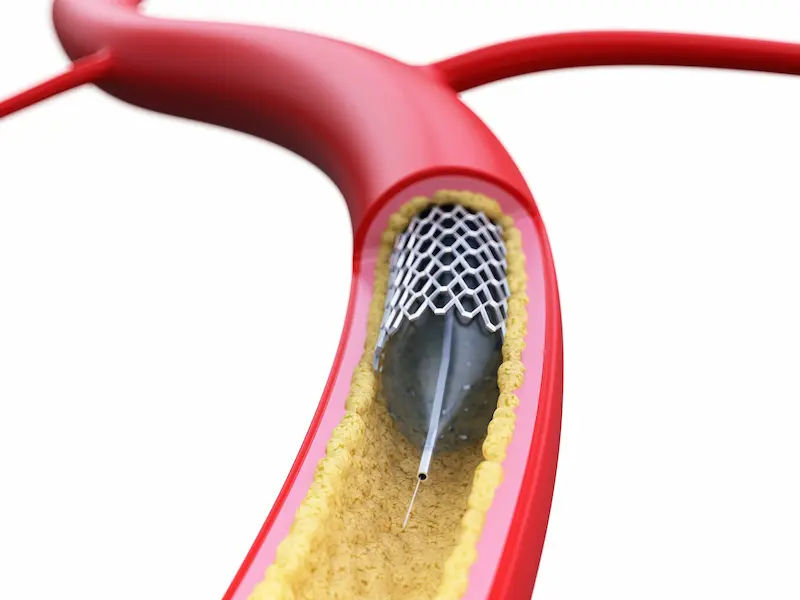
View allI'm really worried about my mom having to go through an angiogram and possibly getting a stent. She's 60 years old and on the heavier side. Do you think she'll be able to handle the pain from the procedure? Also, are there any serious risks or complications we should be aware of? Any advice would be really helpful.
At 60 years old, angiograms and stent procedures are routinely performed on patients in this age group, including those who are overweight. The procedure is generally considered safe when performed by experienced medical professionals, with serious complications being relatively rare (occurring in less than 1% of cases). However, like any medical procedure, there are some risks - these include bleeding at the catheter site, allergic reactions to the dye used, kidney problems, and in very rare cases, more serious complications. Your mother's doctors will carefully evaluate her overall health, including factors like her heart function, kidney function, and any other medical conditions, to ensure she can safely undergo the procedure. They'll also use appropriate pain management techniques during and after the procedure to keep her comfortable. The most important thing is to discuss any specific concerns with her healthcare team, as they know her complete medical history and can give personalized advice about her particular case.


Answered by 1 Apollo Doctors
I'm experiencing pain when I tilt my head towards my left shoulder. I also have thyroid issues and asthma. When I move my neck to the left, there's this pain that travels from the back of my neck to my chest. Could this be something connected to my heart?
it may not necessarily be related to your heart. It could be due to muscle strain or tension in your neck and chest area. However, given your history of thyroid issues and asthma, it is important to rule out any other potential causes. To help alleviate the pain, you can try taking over-the-counter pain relievers such as acetaminophen. Additionally, applying a warm compress to the painful area and practicing gentle neck stretches may also provide some relief. If the pain persists or worsens, it is advisable to consult with your healthcare provider for further evaluation and management.
Answered by 1 Apollo Doctors
What are the 4 stages of congestive heart failure?
Four stages of congestive heart failure are Stage A, B, C, D. Stage A and B are pre heart failure stages when persons do not have symptoms but have predilection to heart failure such as Diabetes, Hypertension, obesity, alcohol abuse, heart blocks and family history of heart failure. Stage C is when persons have symptoms, diagnosed with heart failure and responding to treatment. Stage D is when persons have advanced symptoms that may not get better with treatment.
Answered by 1 Apollo Doctors
Health Articles for you
View all


Disclaimer: Answers on Apollo 247 are not intended to replace your doctor advice. Always seek help of a professional doctor in case of an medical emergency or ailment.