


- Male
- 22 Years
- 22/01/2025
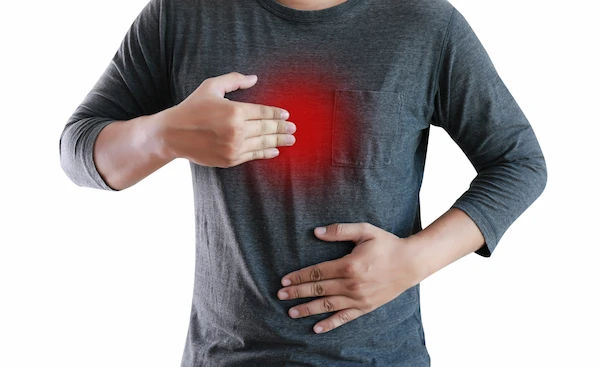
I'm having some gas issues lately and after I work out, I've been getting this pinpoint pain on the left side of my chest. It first happened a couple of weeks ago and again yesterday. The pain wasn't super strong, but it was there, and I also had some trouble breathing and felt a bit nauseous. What could be going on?

Answered by 1 Apollo Doctors

it might be gastritis, take tablet pantoprazole once daily for 5 days
Dr. Anshul Suggests...
Consult a Gastroenterology/gi Medicine Specialist
Answered 04/07/2025
0
0

More Gastroenterology/GI medicine Health Queries
View allI'm feeling this pain just under my left ribs that kind of feels like a cramp and it extends to my back. It's been like this for two days and hasn't gotten any better. Now there's also a tingling sensation along the base of my ribs and on the right side above my waist. What could this be?
Ecg and x-ray pa view is advised to the patient.


Answered by 1 Apollo Doctors
I'm about to start a new job and I need to get a medical certificate. I've been told I have minimal fibrosis. Is this something I should be worried about before I go for this check-up?
no need to worry. if you have any habits of smoking kindly avoid it
Answered by 1 Apollo Doctors
I've been dealing with jaundice for the past two months, and I just can't seem to shake it off. My s. bilirubin count is currently at 1.8, but it was 1.4 just last week, so it keeps fluctuating. I was also diagnosed with a fatty liver, grade 2, and I'm not sure what the best way forward is. I'm 22 years old, weighing in at 94kg, and I'm not a drinker. I've cut out dairy and oily foods for two months now, but nothing's changed. Is there still a chance for me to recover completely? What's the best thing for me to do?
your persistent jaundice, fluctuating bilirubin levels, and fatty liver diagnosis, and they may recommend lifestyle modifications, such as increasing physical activity to aid weight loss, adopting a balanced diet with fruits, vegetables, and whole grains, and limiting sugary drinks and processed foods, as well as medications like ursodeoxycholic acid or vitamin E to help manage fatty liver and jaundice
Answered by 1 Apollo Doctors
Health Articles for you
View all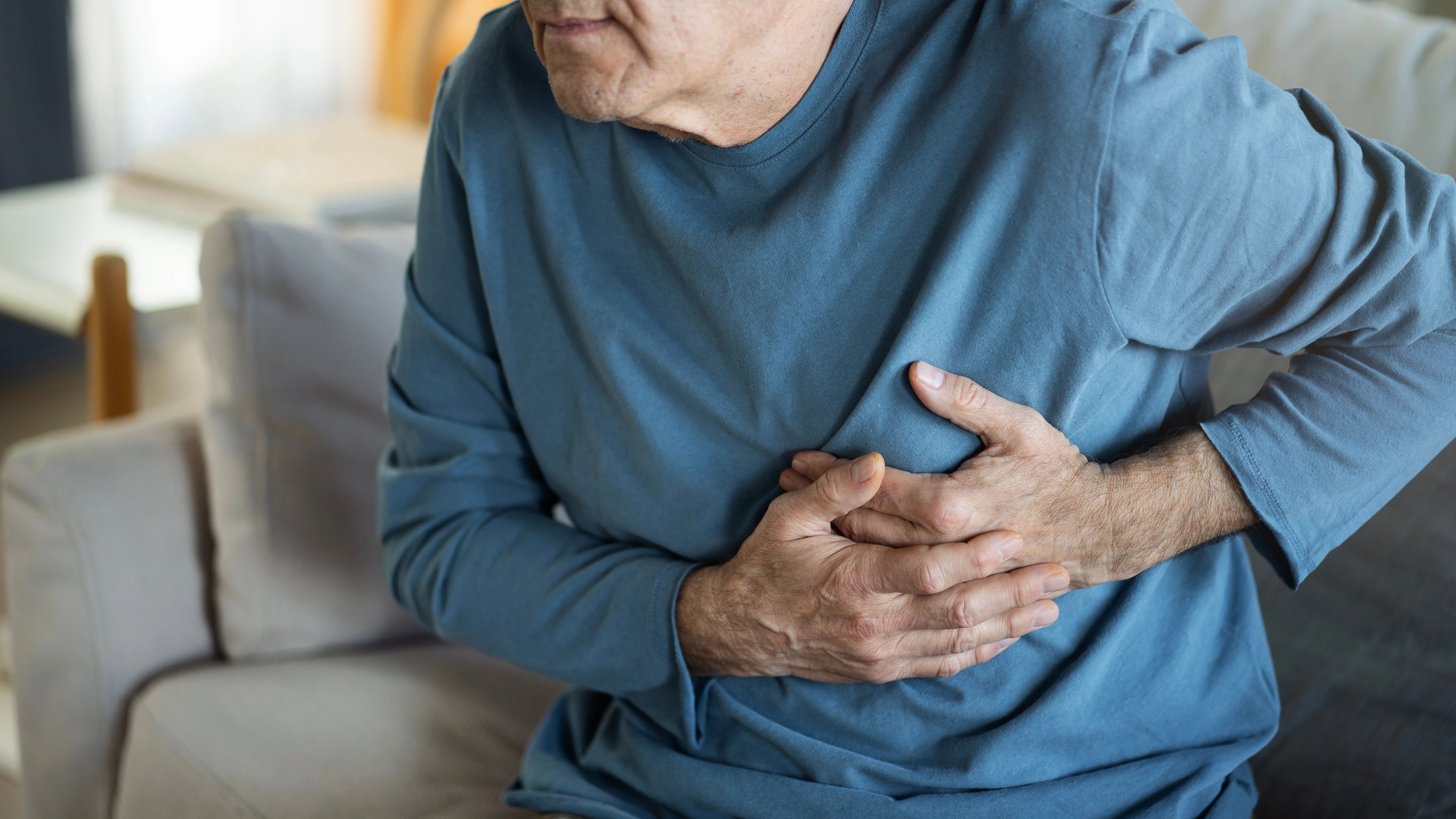

Disclaimer: Answers on Apollo 247 are not intended to replace your doctor advice. Always seek help of a professional doctor in case of an medical emergency or ailment.