


- Male
- 35 Years
- 22/01/2025
I'm just checking about the grisovinFP 250 mg tablets my doctor gave me. Are there any side effects I should be aware of? And do you have any other suggestions or advice regarding this medication?

Answered by 1 Apollo Doctors

Some common side effects of Grisovin-FP may include nausea, vomiting, diarrhea, headache, dizziness, and skin rash. It is important to take the medication as prescribed by your doctor and to report any severe or persistent side effects. If you experience any troublesome side effects, please consult your doctor for further evaluation and management.
Dr. Mubarak Suggests...
Consult a Dermatologist
Answered 04/07/2025
0
0

More Dermatology Health Queries
View allI'm Shivam Gupta and I'm having a bit of a struggle with a recurring fungal infection. Last year around March or April, I first noticed red spots on my thigh that looked like a fungal infection. I talked to a doctor who suggested using Lobet GM Cream, and it went away after using it, but then the spots and itching came back. After two months, I consulted another doctor who recommended Candiforce 200 Tablets, FM 24 Tablets, and Serta Cream, and I used the cream for a year. Everything seemed fine, but now the fungal infection is back, and it's showing up on different parts of my body like my thighs, hands, stomach, and sometimes my head. I've also had carom seeds in my stomach and have taken medicine for that, but the fungal infection keeps coming back. What steps can I take to finally get rid of these infections?
Chronic fungal infections can be frustrating. _Recap of Your Treatment_ 1. _Lobet GM Cream_: Provided temporary relief, but the infection recurred. 2. _Candiforce 200 Tablet_: Antifungal medication that helped for a while, but the infection returned. 3. _Serta Cream_: Temporary relief, but the infection persisted. _Next Steps_ 1. _Consult a dermatologist_: Schedule an appointment with a specialist to reassess your condition. 2. _Culture test_: A culture test can help identify the specific type of fungal infection. 3. _Broad-spectrum antifungal medication_: Your dermatologist might prescribe a stronger antifungal medication, such as fluconazole or itraconazole. 4. _Topical treatments_: In addition to oral medication, your dermatologist might recommend a topical cream or ointment to apply directly to the affected areas. 5. _Lifestyle modifications_: Keep the affected areas clean and dry, avoid sharing personal care items, and wear loose-fitting clothing to reduce moisture accumulation. _Dietary Changes_ 1. _Increase probiotics_: Consume probiotic-rich foods like yogurt, kefir, or take a probiotic supplement to support your immune system. 2. _Stay hydrated_: Drink plenty of water to help flush out toxins. 3. _Balanced diet_: Eat a nutrient-rich diet with plenty of fruits, vegetables, whole grains, and lean proteins.


Answered by 1 Apollo Doctors
I'm really struggling with these colloid milia around my eyes. I've had them since 4th grade, and they make me feel self-conscious because they look so bad. Do you have any advice on how I can get rid of them?
Colloid milia are small, yellowish or white bumps that can appear around the eyes. _Causes_ 1. Keratin buildup 2. Sun exposure 3. Genetics 4. Aging _Removing Colloid Milia_ 1. *Professional extraction*: Consult a dermatologist for safe removal. 2. *Topical retinoids*: Derivatives of vitamin A can help prevent clogged pores. 3. *Exfoliation*: Gentle exfoliants containing alpha-hydroxy acids (AHAs) or beta-hydroxy acids (BHAs) can help remove dead skin cells. 4. *Sun protection*: Wear sunscreen with at least SPF 30 to prevent further damage. _Home Remedies (not recommended as sole treatment)_ 1. *Castor oil*: May help reduce inflammation. 2. *Aloe vera*: Soothes skin and reduces inflammation. 3. *Tea tree oil*: Has antibacterial properties, but use with caution due to potential skin irritation.
Answered by 1 Apollo Doctors
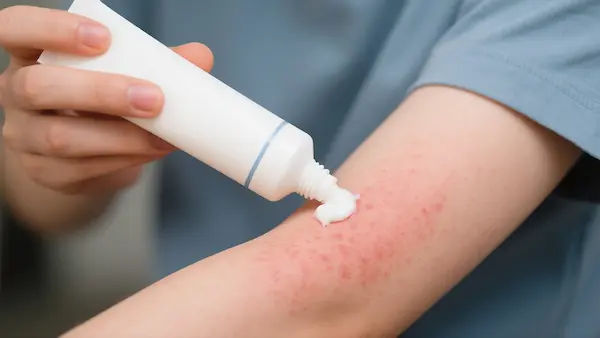
I'm noticing these red, itchy spots in the creases of both my elbows. It's making me worried. Do you know what could be causing this and what I can do to treat it?
It sounds like you may be experiencing eczema, also known as atopic dermatitis. To treat this, you can use a topical corticosteroid cream like Hydrocortisone 1% applied twice a day on the affected areas. Additionally, you can use a moisturizer like Cetaphil or Eucerin to keep the skin hydrated and prevent further irritation. If the symptoms persist, you may need to see a dermatologist for further evaluation and treatment.
Answered by 1 Apollo Doctors
Health Articles for you
View all


Disclaimer: Answers on Apollo 247 are not intended to replace your doctor advice. Always seek help of a professional doctor in case of an medical emergency or ailment.