


- male
- 50 Years
- 29/01/2025
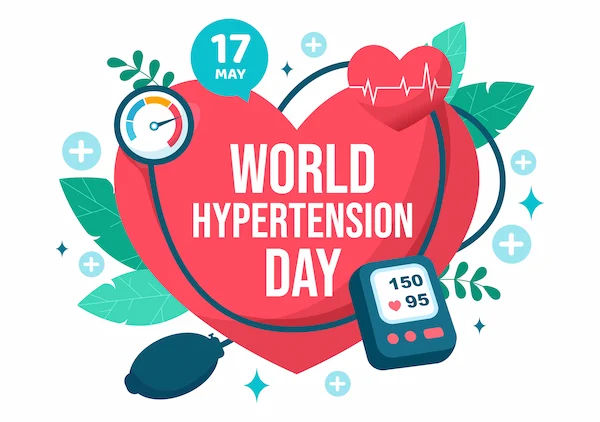
I'm monitoring my blood pressure, and it's been around 15595 for the past three days. I've been feeling a slight sensitive vibration in my head, too. This is the first time my blood pressure has been high like this, and I haven't taken any medication before. What would you recommend I do? Is there a specific tablet I should consider?

Answered by 1 Apollo Doctors

Visit your gen medicine doc for evaluation and appropriate management
Dr. Shubham Suggests...
Consult a Cardiologist
Answered 04/07/2025
0
0

More Cardiology Health Queries
View allI'm wondering if you can help me understand what's going on with my blood pressure. It's been fluctuating a lot, sometimes shooting up to 180 over 110, and my pulse rate gets really high too. My heart and sugar levels are fine, but this blood pressure issue is worrying me. Do you have any advice or medication suggestions to help stabilize it?
Visit your Physician for evaluation and appropriate management


Answered by 1 Apollo Doctors
I'm dealing with this chest pain for the last couple of months, and I've already checked in with a gastric specialist and taken some gas meds. Even had an ECG done and that seemed fine. But I'm still feeling this pain when I move around or lift stuff. Could this be a muscle issue in my chest? Should I be worried, and is there something specific I should be taking to help with it?
Based on your description, it is possible that your chest pain is indeed related to chest muscle pain. To help relieve the pain, you can try taking over-the-counter pain relievers such as acetaminophen or ibuprofen. Additionally, you can use a muscle relaxant such as methocarbamol to help relax the chest muscles and alleviate the pain. It is also important to rest the affected area and avoid activities that worsen the pain. If the pain persists or worsens, it is advisable to follow up with your healthcare provider for further evaluation and management.
Answered by 1 Apollo Doctors
When should I consider getting a TMT test? Are there specific signs or symptoms that would mean I need one? I'm a 23-year-old guy and just want to understand when it might be necessary.
A TMT (Treadmill Test) is usually recommended for individuals who have symptoms such as chest pain, shortness of breath, palpitations, or dizziness during physical activity. It is also indicated for individuals with risk factors for heart disease such as a family history of heart disease, high blood pressure, high cholesterol, diabetes, or smoking history. As a 23-year-old male without any symptoms or risk factors, a TMT may not be necessary at this time. It is important to maintain a healthy lifestyle, including regular exercise and a balanced diet, to reduce the risk of heart disease in the future.
Answered by 1 Apollo Doctors
Health Articles for you
View all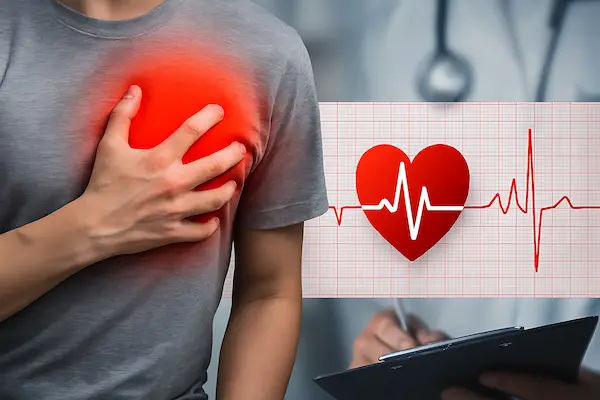


Disclaimer: Answers on Apollo 247 are not intended to replace your doctor advice. Always seek help of a professional doctor in case of an medical emergency or ailment.