


- female
- 35 Years
- 22/01/2025
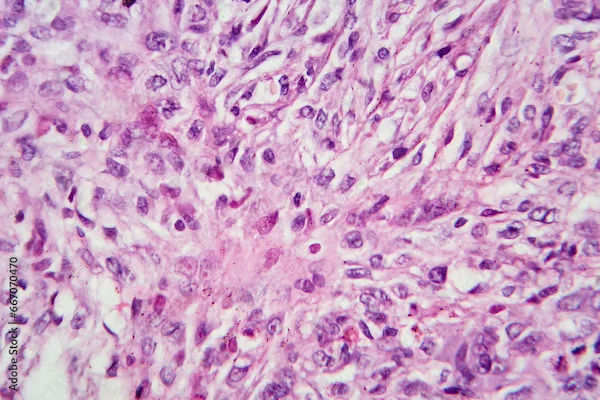
I'm really concerned about what the FNAC report means for my left-sided cervical lymph node swelling. It mentioned necrotizing granulomatous lymphadenitis with small lymphocytes, immunoblasts, macrophages, and some epithelioid cell granulomas, plus specks of necrosis. Could you explain what this means and suggest any treatments? Also, should I be worried about this finding?

Answered by 1 Apollo Doctors

Treatment for necrotizing granulomatous lymphadenitis typically involves a course of antibiotics such as **Augmentin (AmoxicillinClavulanic Acid). In cases where the infection is severe or not responding to antibiotics, a short course of Prednisone may be prescribed to reduce inflammation. It is important to follow up with your healthcare provider for further evaluation and management.
Dr. Ranjith Suggests...
Consult a Oncologist
Answered 04/07/2025
0
0

More Oncology Health Queries
View allI'm really worried about my mom. She's had these enlarged supraclavicular lymph nodes for two years now. There are no signs of TB like fever, weight loss, or fatigue, and she's been managing her diabetes pretty well. There was nothing in the lymph nodes when tested for CBNAAT. The ultrasound showed they're quite large, and the biopsy results indicated granulomatous lymphadenitis. The document says TB needs to be ruled out, and the AFB stain came back negative. They also mentioned something about doing a TBPCR test to make sure it's not tuberculosis. The microscopic findings talked about some kind of granulomas but no caseous necrosis was found. TB PCR didn't show any sign of MTB or non-TB mycobacteria. I'm quite confused and worried about what all this means. Is this something serious? What should we do next?
That could be non specific TB infection,might need complete course of ATT, visit physician for appropriate management


Answered by 1 Apollo Doctors
My father has an advanced stage brain tumor and due to his age, doctors are saying surgery isn't an option and we should just wait. Is there really nothing else we can do or explore for him?
Please provide more details of the CT scan or MRI brain he has undergone. Also, is he having any symptoms like headache, double vision or vomitting
Answered by 1 Apollo Doctors
my uncle just had laser surgery to remove a mass from his throat and the report says features are of well differentiated squamous cell carcinoma with free margins what does this mean is it serious
ent opinion is advised.
Answered by 1 Apollo Doctors
Health Articles for you
View all



Disclaimer: Answers on Apollo 247 are not intended to replace your doctor advice. Always seek help of a professional doctor in case of an medical emergency or ailment.