


- female
- 30 Years
- 22/01/2025
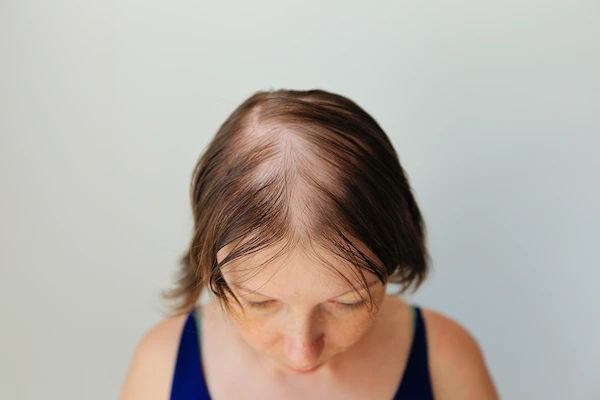
I'm really struggling with alopecia, and it's been about five years now. I've tried so many medicines but haven't seen any improvement. Do you know if there's a specific medical treatment that could actually work for this? I'm feeling pretty worried and would appreciate any advice you have.

Answered by 1 Apollo Doctors

Alopecia can be a challenging and frustrating condition.
Understanding Alopecia
Alopecia is an autoimmune disease that causes hair loss due to the body's immune system attacking the hair follicles. There are different types of alopecia, including alopecia areata, alopecia totalis, and alopecia universalis.
Current Treatment Options
While there is no cure for alopecia, various treatments can help promote hair growth and manage symptoms. Since you've tried several medications without success, let's explore other options:
- Minoxidil (Rogaine): A topical solution applied directly to the scalp to stimulate hair growth.
- Anthralin (Dritho-Scalp): A topical cream or ointment that can help promote hair growth and reduce inflammation.
- Corticosteroids: Injected into the scalp to reduce inflammation and promote hair growth.
- Immunotherapy: A treatment that aims to desensitize the immune system to the hair follicles.
- Low-Level Laser Therapy (LLLT): A non-invasive treatment that uses low-level laser or light-emitting diodes to stimulate hair growth.
Emerging Treatments
Researchers are exploring new treatments for alopecia, including:
- JAK inhibitors: Oral medications that target the immune system's response to hair follicles.
- Stem cell therapy: A treatment that uses stem cells to promote hair growth.
- Gene therapy: A treatment that aims to modify the genes responsible for alopecia.
Consult a Specialist
It's essential to consult a dermatologist or an alopecia specialist to discuss your treatment options and determine the best course of action for your specific case. They can help you:
- Re-evaluate your diagnosis: Confirm the type and severity of your alopecia.
- Explore new treatment options: Discuss emerging treatments and clinical trials.
- Develop a personalized treatment plan: Create a tailored plan to address your specific needs and concerns.
Remember, it's crucial to work with a healthcare professional to find the most effective treatment approach for your alopecia.
Dr. Dhankecha Suggests...
Consult a Dermatologist
Answered 04/07/2025
0
0

More Dermatology Health Queries
View allI've had alopecia universalis for a year and my doctor prescribed decdan 0.5 to take every weekend 5 on Sunday and 5 on Saturday. But I'm getting ACL reconstruction and meniscus repair surgery on my knee next week. Should I keep taking the medicine or stop it before the surgery? I'm a bit worried about how it might affect the procedure or recovery.
Dont continue it, have u informed ur doc regarding this,


Answered by 1 Apollo Doctors
I've been losing a lot of hair lately, and my haircutter suggested that I try a hair spa treatment to help. Do you think it's a good idea? Will a hair spa actually help reduce my hair loss? I'm really concerned and would love your advice.
You can proceed with hair spa treatments as they can help promote hair health, reduce stress, and improve scalp conditions, but it's essential to consult a dermatologist to rule out underlying medical conditions causing hair loss.
Answered by 1 Apollo Doctors
I've been told that I should try using xtradenser hair serum for my hair thinning and diffuse hair loss. I'm really wondering if it's actually a good option for me. Do you think it's worth giving it a shot? Would love to hear your thoughts on this.
Xtradenser hair serum may help with diffuse hair loss and thinning, as it likely contains ingredients like saw palmetto, biotin, and keratin that promote hair growth and strengthen hair follicles; however, consult a dermatologist for personalized advice
Answered by 1 Apollo Doctors
Health Articles for you
View all
Disclaimer: Answers on Apollo 247 are not intended to replace your doctor advice. Always seek help of a professional doctor in case of an medical emergency or ailment.