



- Male
- 25 Years
- 22/01/2025
I'm really worried about the effects of pollution on my skin. I've been noticing that my skin is darkening really fast, and I'm thinking about using salon detan and bleach treatments to help with it. Are these treatments actually effective, or could they potentially be harmful to my skin in the long run? I'm looking for some advice on what might be the best way to handle this issue.

Answered by 1 Apollo Doctors

Detan and bleach treatments are popular salon services aimed at reducing skin darkening and hyperpigmentation. However, it's essential to weigh their effectiveness against potential risks.
Detan Treatment
Detan treatments typically involve a combination of exfoliating agents, like alpha-hydroxy acids (AHAs) or beta-hydroxy acids (BHAs), and brightening agents, such as vitamin C or licorice extract. These treatments can help:
- Exfoliate the skin, removing dead skin cells and promoting cell turnover.
- Reduce the appearance of hyperpigmentation and dark spots.
- Improve skin texture and tone.
However, detan treatments may not be suitable for everyone, especially those with sensitive skin. Potential side effects include:
- Skin irritation or redness
- Dryness or flakiness
- Increased sun sensitivity
Bleach Treatment
Bleach treatments, on the other hand, involve the application of a strong chemical agent to lighten the skin. These treatments can be harsh and may lead to:
- Skin irritation, redness, or burns
- Dryness, flakiness, or skin cracking
- Increased risk of infections or scarring
- Uneven skin tone or patchiness
It's essential to note that bleach treatments can be damaging, especially if done frequently or without proper care. The American Academy of Dermatology recommends avoiding bleach treatments altogether.
Dr. Dr Khaleel Suggests...
Consult a Dermatologist
Answered 04/07/2025
0
0

More Dermatology Health Queries
View allI've noticed these super tiny holes on my palms and the bottoms of my feet. On my palms, they're mostly aligned with the lines, which makes my skin feel kind of rough. There's no pain or anything, but it's not looking great and my skin's not smooth because of it. Do you have any suggestions for an ointment or treatment that might help get rid of these?
Visit Dermatologist for evaluation and appropriate management


Answered by 1 Apollo Doctors
I'm thinking about using Skinlite cream for just a week, and I'm a bit worried. Can using it for only seven days cause any harm? Would love your advice.
Using Skinlite cream, which contains hydroquinone, for only 7 days is unlikely to cause significant harm, but it's essential to follow the recommended usage and consult a dermatologist, as prolonged or excessive use can lead to skin darkening, irritation, or other adverse effects.
Answered by 1 Apollo Doctors
I'm dealing with what looks like ring guard on my neck, back, and toe. It appears as dry skin, and I've tried many medications, but it just keeps coming and going. I can't seem to find a permanent solution for it. What should I do?
That could be eczema,maintain personal hygiene and moisturize your skin twice daily,visit dermatologist for appropriate management.
Answered by 1 Apollo Doctors
Health Articles for you
View all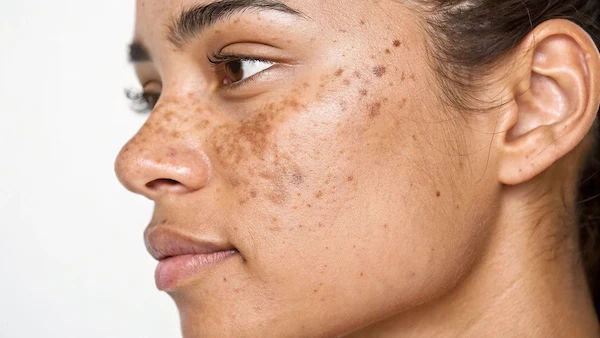



Disclaimer: Answers on Apollo 247 are not intended to replace your doctor advice. Always seek help of a professional doctor in case of an medical emergency or ailment.