



- Female
- 31 Years
- 23/01/2025
I'm really worried because I've been having this warm feeling on the left side of my brain for the past few weeks. Sometimes it even affects my face and the area behind my ear. But today, I experienced a sharp pain in my head along with the warm sensation. I'm not sure what's going on. I'm also caring for my 11-month-old baby, and I need to feel well to take care of her. Can you please help me figure out what this might be?

Answered by 1 Apollo Doctors

Pinching Pain in Lung Area
Possible Causes
- Musculoskeletal strain: Strained muscles in your chest, back, or ribcage can cause pinching pain.
- Costochondritis: Inflammation of the cartilage that connects your ribs to your breastbone can cause sharp pains.
- Pleurisy: Inflammation of the lining surrounding your lungs can cause chest pain that worsens with breathing.
- Pulmonary issues: Conditions like pneumonia, bronchitis, or asthma can cause chest pain and discomfort.
Immediate Actions
- Consult a doctor: Schedule an appointment with your primary care physician or a pulmonologist to discuss your symptoms.
- Get a chest X-ray: To rule out any underlying pulmonary issues.
- Try relaxation techniques: Practice deep breathing exercises, meditation, or yoga to help manage stress and alleviate pain.
Self-Care Measures
- Apply heat or cold: Use a warm or cold compress to help relax the muscles and reduce pain.
- Stretch gently: Avoid heavy exercise, but try gentle stretching to help loosen tight muscles.
- Rest: Get plenty of rest to help your body recover.
Dr. Ibrahim Suggests...
Consult a Neurologist
Answered 04/07/2025
0
0

More Neurology Health Queries
View allWhat happens in the first 3 days after a stroke?
weakness, numbness, confusion, slurred speech, depression, trouble sleeping


Answered by 1 Apollo Doctors
I have cervical spine PIVD at C5-C6 with compression of the left C6 root causing severe left arm pain. My left thumb and half of my arm feel weak and inactive. Are there any effective non-surgical treatments that could help with this?
Yes, there are several effective non-surgical treatments for cervical spine PIVD (prolapse of intervertebral disc) at C5-C6 with compression of the left C6 nerve root, especially if the left arm pain, thumb and arm weakness, and inactive feeling are your main concerns. These include physical therapy, medications, and potentially epidural injections.
Answered by 1 Apollo Doctors
I've been suffering from a bulging disc for the past few years but only got my MRI and CT scan reports yesterday. Is it possible to treat this without surgery? I'm really worried and feeling depressed are there any effective Ayurvedic or homeopathic treatments that could help?
kindly share report
Answered by 1 Apollo Doctors
Health Articles for you
View all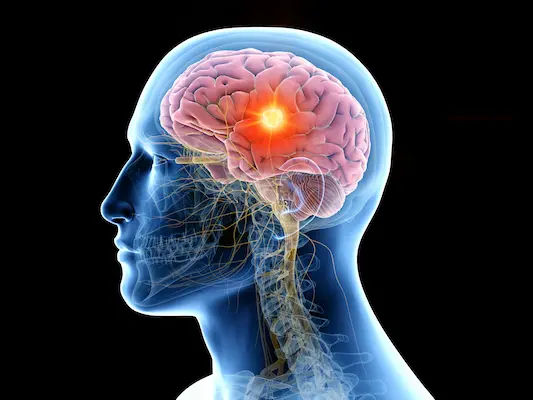


Disclaimer: Answers on Apollo 247 are not intended to replace your doctor advice. Always seek help of a professional doctor in case of an medical emergency or ailment.