


- Male
- 20 Years
- 29/01/2025
Is it really possible to have pulmonary artery hypertension even when the pulmonary artery looks normal and there's no turbulence? I'm just trying to wrap my head around how that can happen. Could there be underlying issues or does it indicate a different problem? I'm a bit concerned and just trying to understand why this might occur.

Answered by 1 Apollo Doctors

Yes, it is possible to have pulmonary artery hypertension even with normal pulmonary artery anatomy and no turbulence. In such cases, the hypertension may be due to other underlying factors such as inflammation, vasoconstriction, or other vascular abnormalities. Treatment for pulmonary artery hypertension may include medications such as Sildenafil (Revatio) or Tadalafil (Adcirca) to help relax the pulmonary arteries and improve blood flow. Dosage and duration of treatment should be determined by a healthcare professional.
Dr. Mubarak Suggests...
Consult a Cardiologist
Answered 04/07/2025
0
0

More Cardiology Health Queries
View allWhat are the 4 stages of congestive heart failure?
Four stages of congestive heart failure are Stage A, B, C, D. Stage A and B are pre heart failure stages when persons do not have symptoms but have predilection to heart failure such as Diabetes, Hypertension, obesity, alcohol abuse, heart blocks and family history of heart failure. Stage C is when persons have symptoms, diagnosed with heart failure and responding to treatment. Stage D is when persons have advanced symptoms that may not get better with treatment.


Answered by 1 Apollo Doctors
I'm getting these weird feelings where it seems like my heart is struggling to beat at times. Sometimes, out of nowhere, I get these intense palpitations that eventually settle down, but it's really unsettling. Another thing I've noticed is that just when I'm about to burp, the palpitations get much stronger and faster, which honestly freaks me out a bit. Any idea what might be happening?
These symptoms could be related to acid reflux causing irritation of the esophagus, which in turn can trigger palpitations. I recommend trying over-the-counter antacids like Tums (500mg) or Maalox (5ml) to help with the acid reflux. Additionally, you can try avoiding trigger foods like spicy or fatty foods, caffeine, and alcohol. If the symptoms persist, it's important to consult with a healthcare provider for further evaluation and management.
Answered by 1 Apollo Doctors
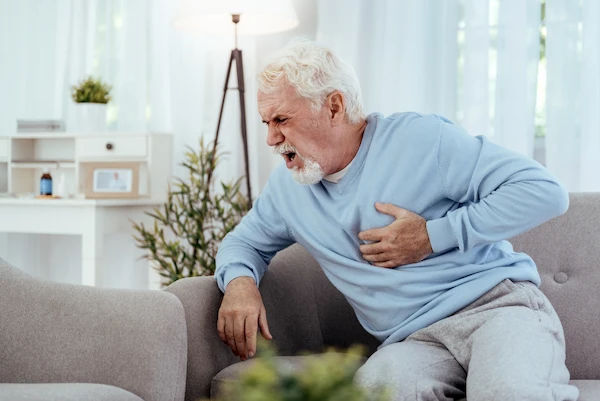
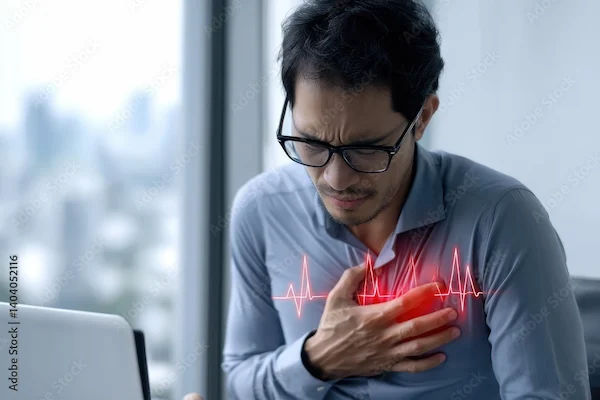
I'm experiencing some pain in my shoulder and arm, and it seems to be affecting the left side of my chest too. It's making it a bit hard to breathe. My current weight is 68 kg. Can you help me figure out what this might be?
It sounds like you may be experiencing symptoms of a heart condition. The combination of pain in the left shoulder, arm, and chest, along with breathing problems, could be indicative of a heart issue. One common condition that presents with these symptoms is angina. I recommend you to take Aspirin 325mg immediately and call emergency services. It is important to seek medical attention promptly in such cases.
Answered by 1 Apollo Doctors
Health Articles for you
View all.webp)

Disclaimer: Answers on Apollo 247 are not intended to replace your doctor advice. Always seek help of a professional doctor in case of an medical emergency or ailment.