


- female
- 30 Years
- 22/01/2025
I've been dealing with hair loss since I had dengue a few months ago. My hair used to be thick and healthy, but now I'm losing so much daily, and it's really thinning out. I read that this could be due to the telogen effluvium phase and that it might stop on its own after a couple of months. Is there any medication or supplements I can take to help reduce the hair fall faster? I'm really concerned about it.

Answered by 1 Apollo Doctors

Certain nutrients can help support hair growth and strengthen the hair follicles during this phase. You might consider the following: Biotin (Vitamin B7): Biotin is essential for hair health and is often recommended for strengthening hair and nails. A daily dose of 2,500 to 5,000 mcg is commonly used. Vitamin D: A deficiency in vitamin D has been linked to hair thinning and hair loss. If you have a deficiency, consider supplementing with vitamin D3 (ideally 1,0002,000 IU per day, but this can vary based on your levels). Iron: Iron deficiency can also contribute to hair loss. If youve had low iron levels (or anemia) in the past, a supplement like ferrous sulfate might be beneficial. Consult with a doctor to check your iron levels before taking iron supplements. Zinc: Zinc plays a key role in hair tissue growth and repair. If you have a zinc deficiency, it could worsen hair thinning. A daily dose of 1015 mg can be helpful. Omega-3 Fatty Acids: Fish oil or flaxseed oil supplements can help support hair health by promoting scalp circulation and reducing inflammation. 2. Minoxidil (Topical Solution): Minoxidil (5% solution) is an over-the-counter topical treatment commonly used to promote hair regrowth. It works by stimulating hair follicles and improving blood circulation to the scalp.it can also be effective for telogen effluvium-induced hair loss, though the results can take a few months to become noticeable.
Dr. Dr Khaleel Suggests...
Consult a Dermatologist
Answered 04/07/2025
0
0

More Dermatology Health Queries
View allI've got these rashes down near the bottom part of my testis and on my thighs close to my private area. I can't figure out what caused it or what ointment I should use, if any. I'm juggling a tight schedule, so I can't really make it to a doctor. It's getting more and more itchy, especially after a shower, and it gets annoying because I have to change my underwear. I also need to wait for it to dry to stop the itching. What do you think could be causing this, and how should I treat it?
Visit your Physician for evaluation and appropriate management


Answered by 1 Apollo Doctors
My eight-year-old got bitten by something last night, maybe a bug or ant, and there's a big swelling on the front of it. I'm wondering if I can use clobetasone cream on the area. Could you advise me on this? I'm really unsure what to do and would appreciate any help.
For an 8-year-old child with an insect bite, it's essential to monitor the symptoms and take appropriate action. _Symptoms to Monitor_ 1. _Swelling_: Keep an eye on the swelling, and if it increases or spreads, seek medical attention. 2. _Redness and Warmth_: If the affected area becomes increasingly red, warm, or tender, consult a doctor. 3. _Pus or Discharge_: If you notice pus or discharge from the affected area, seek medical attention. _Using Clobetasone Cream_ 1. _Consult a Doctor_: Before applying Clobetasone cream, consult a doctor or pediatrician to confirm the diagnosis and recommend the best course of treatment. 2. _Dosage and Application_: If the doctor recommends Clobetasone cream, follow their instructions for dosage and application. _Alternative Remedies_ 1. _Cold Compress_: Apply a cold compress or an ice pack wrapped in a cloth to reduce swelling. 2. _Antihistamine Cream or Hydrocortisone Cream_: Over-the-counter antihistamine cream or hydrocortisone cream can help alleviate itching and inflammation. 3. _Calamine Lotion_: Calamine lotion can help soothe the skin and reduce itching. _When to Seek Medical Attention_ 1. _Severe Symptoms_: If your child experiences severe symptoms, such as difficulty breathing, rapid heartbeat, or dizziness, seek immediate medical attention. 2. _Increasing Swelling or Redness_: If the swelling or redness increases or spreads, consult a doctor. 3. _Pus or Discharge_: If you notice pus or discharge from the affected area, seek medical attention.
Answered by 1 Apollo Doctors
I've been dealing with these constant headaches and my whole body just won't stop itching. Honestly, it feels like I'm getting poked by a thousand needles, and I've noticed some red marks popping up in a few spots. It's getting worse with each passing day. Could you figure out what's going on with me and what I should do?
You may be experiencing symptoms of an allergic reaction. To address the itching and redness, you can take an antihistamine such as Cetirizine (10mg) once daily. For the headache, you can take Acetaminophen (500mg) as needed for pain relief. However, it is important to identify and avoid the trigger causing your symptoms. If the symptoms persist or worsen, please seek medical attention for further evaluation and management.
Answered by 1 Apollo Doctors
Health Articles for you
View all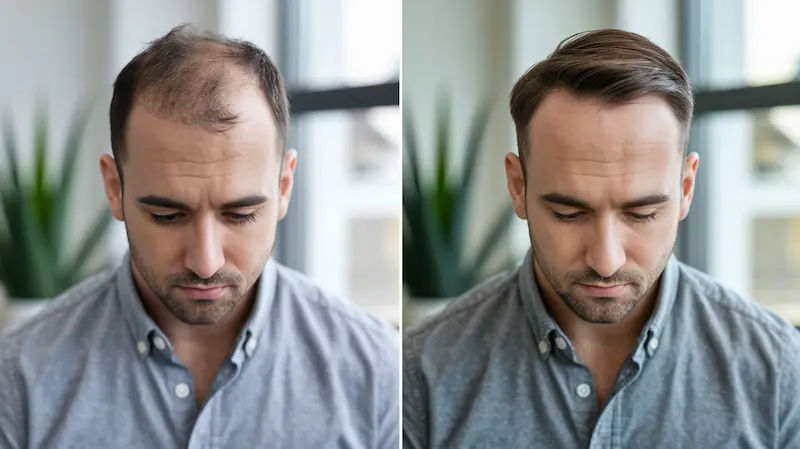


Disclaimer: Answers on Apollo 247 are not intended to replace your doctor advice. Always seek help of a professional doctor in case of an medical emergency or ailment.