


- female
- 18 Years
- 07/02/2025
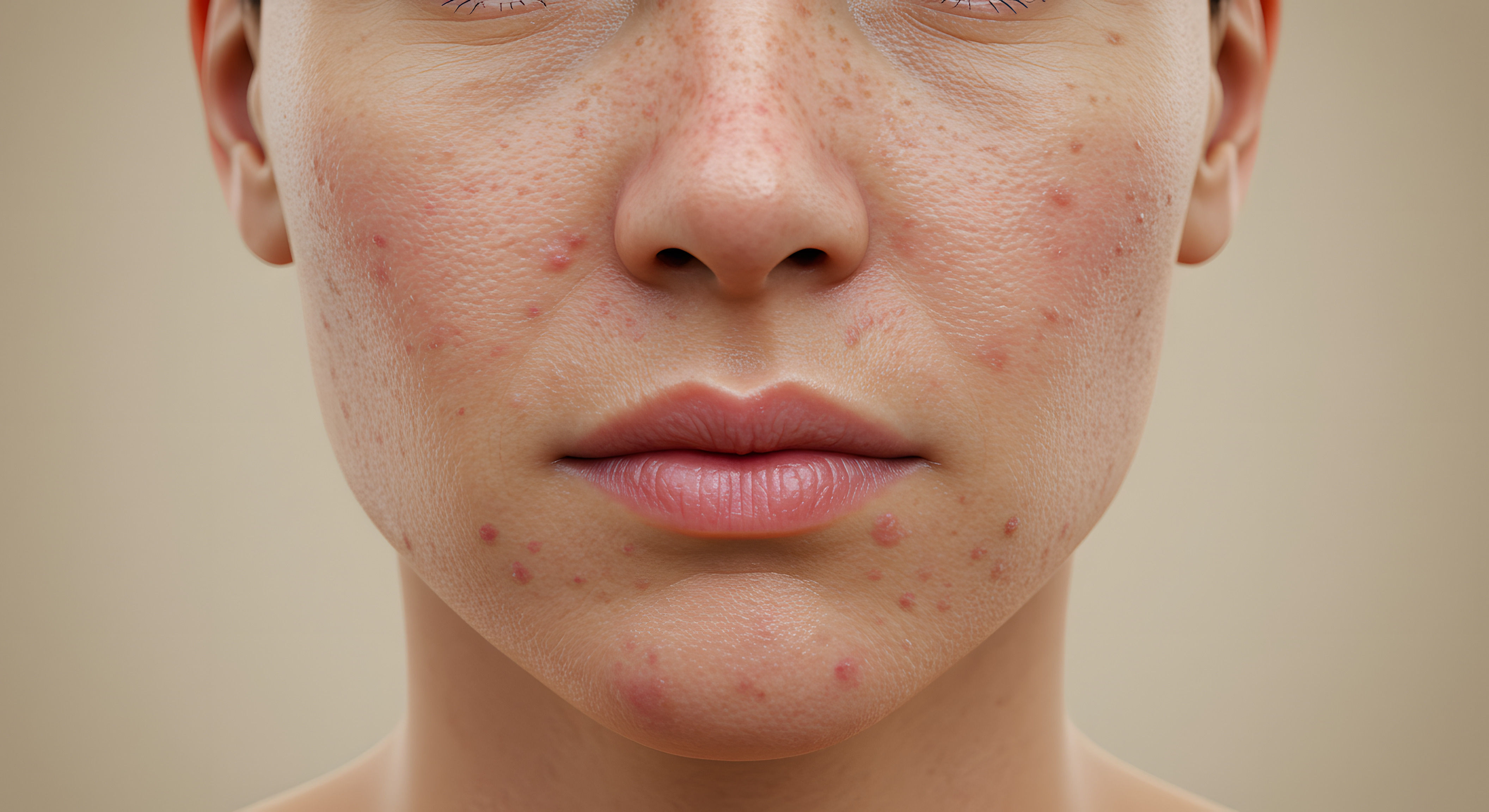
I've been dealing with some pretty bad acne and breakouts on my face, shoulders, and back since I had chickenpox about three years ago. Before that, I never really had any issues with acne, so I'm super frustrated. I went to a bunch of doctors and tried different creams and tablets, but nothing seems to work. It's been a few years now, and every time one breakout heals, another one pops up. Could this be connected to the way the chickenpox was treated back then, or is there something else going on? I'm really worried because my face is a mess right now and I'm not sure what else to do. Any advice or solutions for dealing with acne after chickenpox?

Answered by 1 Apollo Doctors

There are many advanced treatment modalities available you can try with co2 laser or other perfusion techniques for a good result
Dr. Ibrahim Suggests...
Consult a Dermatologist
Answered 04/07/2025
0
0

More Dermatology Health Queries
View allI've been dealing with hair loss since I had dengue a few months ago. My hair used to be thick and healthy, but now I'm losing so much daily, and it's really thinning out. I read that this could be due to the telogen effluvium phase and that it might stop on its own after a couple of months. Is there any medication or supplements I can take to help reduce the hair fall faster? I'm really concerned about it.
Certain nutrients can help support hair growth and strengthen the hair follicles during this phase. You might consider the following: Biotin (Vitamin B7): Biotin is essential for hair health and is often recommended for strengthening hair and nails. A daily dose of 2,500 to 5,000 mcg is commonly used. Vitamin D: A deficiency in vitamin D has been linked to hair thinning and hair loss. If you have a deficiency, consider supplementing with vitamin D3 (ideally 1,0002,000 IU per day, but this can vary based on your levels). Iron: Iron deficiency can also contribute to hair loss. If youve had low iron levels (or anemia) in the past, a supplement like ferrous sulfate might be beneficial. Consult with a doctor to check your iron levels before taking iron supplements. Zinc: Zinc plays a key role in hair tissue growth and repair. If you have a zinc deficiency, it could worsen hair thinning. A daily dose of 1015 mg can be helpful. Omega-3 Fatty Acids: Fish oil or flaxseed oil supplements can help support hair health by promoting scalp circulation and reducing inflammation. 2. Minoxidil (Topical Solution): Minoxidil (5% solution) is an over-the-counter topical treatment commonly used to promote hair regrowth. It works by stimulating hair follicles and improving blood circulation to the scalp.it can also be effective for telogen effluvium-induced hair loss, though the results can take a few months to become noticeable.


Answered by 1 Apollo Doctors
I'm really torn between using Kojivit Ultra, Kozicare, or Brilante as my night cream. I'm hoping to achieve fairer skin but I'm not sure which one would be the best for my needs. Could you help me out with some advice? I'm genuinely confused and would love to hear your thoughts.
Visit Physician for evaluation and appropriate management
Answered by 1 Apollo Doctors
I'm dealing with dandruff and noticed my hair's been thinning since I was 23. It's getting pretty thin now. Is it okay for me to try using a derma roller on my scalp even though I've got dandruff?
1. *Infection risk*: Derma rolling can push dandruff flakes and bacteria deeper into the scalp, leading to infections. 2. *Irritation*: Derma rolling can cause micro-injuries, which may exacerbate dandruff irritation and inflammation. *Preparation is Key* Before using a derma roller on dandruff-affected hair: 1. *Treat the dandruff*: Use an anti-dandruff shampoo and scalp treatment for at least 2-3 weeks to reduce flaking and inflammation.
Answered by 1 Apollo Doctors
Health Articles for you
View all


Disclaimer: Answers on Apollo 247 are not intended to replace your doctor advice. Always seek help of a professional doctor in case of an medical emergency or ailment.