


- male
- 40 Years
- 20/02/2025
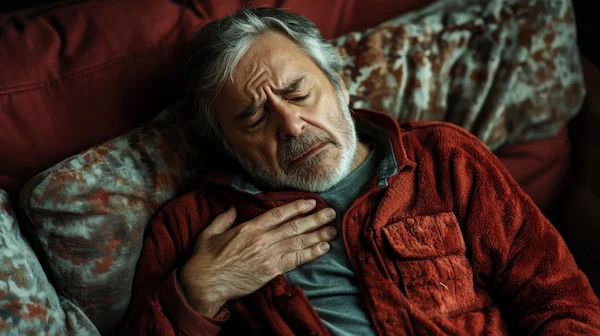
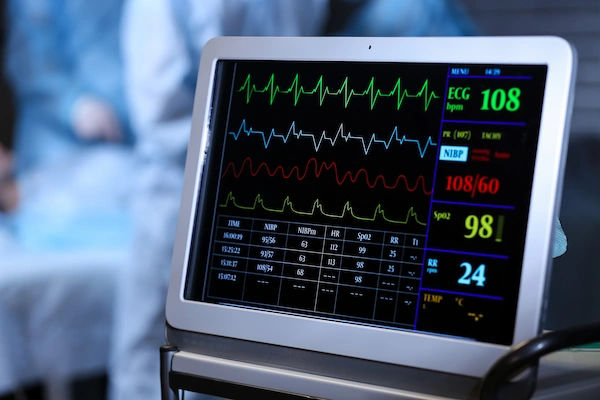
I've been experiencing some concerning symptoms and I could really use some advice. My heart rate is around 50-60 when I'm lying down and my SPO2 is 98 with an RR of 16. Lately, I've been having chest pains that feel like needles. They last for just a few seconds or sometimes up to a couple of minutes. I had these issues about two months ago and got an ECG and a stress test done back then, both of which were normal. But now the pains on my left side have started coming back. Should I be doing any additional tests, or does it sound like everythings okay?

Answered by 1 Apollo Doctors

It sounds like you may be experiencing episodes of angina, which are chest pains caused by reduced blood flow to the heart. Since your ECG and Stress Test results were normal 2 months ago, it is possible that the symptoms you are currently experiencing could be related to a different issue. However, it is important to rule out any cardiac concerns. I recommend that you undergo a Holter monitor test to continuously record your heart's activity over a period of 24-48 hours. This will help to capture any abnormal heart rhythms that may not be detected during a standard ECG. Additionally, an echocardiogram may be beneficial to assess the structure and function of your heart. In the meantime, to manage your symptoms, you can take Nitroglycerin sublingual tablets as needed for chest pain. The usual dosage is 0.3 to 0.6 mg every 5 minutes as necessary, up to 3 doses. If the chest pain persists or worsens, seek immediate medical attention. It is important to follow up with your healthcare provider for further evaluation and management.
Dr. Ibrahim Suggests...
Consult a Cardiologist
Answered 25/07/2025
0
0

More Cardiology Health Queries
View allWhat is a heart cough?
Heavy breathing accompanied by spells of wet cough with frothy sputum that may be tinged with blood is called as "Cardiac cough or Heart cough". It is a sign of congestive heart failure. Additional symptoms such as shortness of breath on exertion or rest, leg swelling, waking up from sleep in the middle of night gasping and coughing differentiate heart cough from cough due to lung conditions.


Answered by 1 Apollo Doctors
I was wondering if an ECG could show signs of WPW syndrome. Lately, I've noticed that my heart rate sometimes speeds up, and I'm currently on Dilzem. Could you provide some guidance on this?
Yes, an ECG can show signs of Wolff-Parkinson-White (WPW) syndrome. Since your heart rate increases at times, Dilzem (Diltiazem) is a calcium channel blocker that can help manage this condition. The usual dosage for Dilzem in WPW syndrome is 120-360mg per day, taken in divided doses. It's important to follow your doctor's recommendations for the correct dosage and frequency.
Answered by 1 Apollo Doctors
My LVEF is 23 and I have CAD with grade II diastolic dysfunction. Are there any other treatment options besides heart surgery? I'm really worried and need advice quickly.
Yes, there are other treatment options for LVEF of 23 and CAD with Grade II diastolic dysfunction besides heart surgery. These include lifestyle changes, medications, and potentially device therapy or even a heart transplant in severe cases
Answered by 1 Apollo Doctors
Health Articles for you
View all

Disclaimer: Answers on Apollo 247 are not intended to replace your doctor advice. Always seek help of a professional doctor in case of an medical emergency or ailment.