


- male
- 20 Years
- 22/01/2025
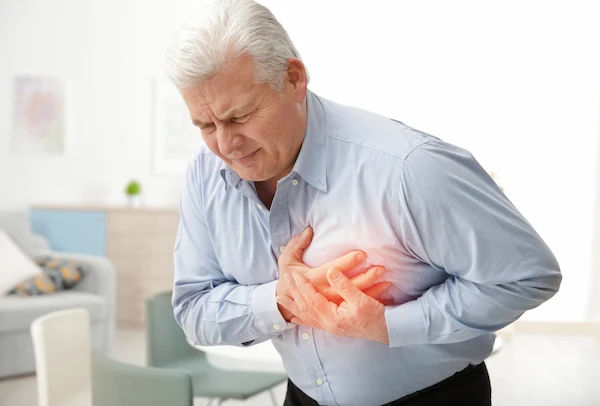
I've been having chest pain for a couple of days now, and it's pretty constant, especially when I'm just sitting or lying down. Plus, sometimes I get this pain in my shoulder and neck, and even occasionally a stomach ache. I'm 20, I don't smoke or drink, and I'm not overweight. Could this be something serious like a heart attack or angina? I'm kinda worried and not sure what to do.

Answered by 1 Apollo Doctors

Based on your symptoms and age, it is less likely to be a heart attack or angina. However, chest pain should never be ignored. It is important to rule out any serious conditions. You may be experiencing musculoskeletal pain or acid reflux. I recommend taking over-the-counter antacids like Tums for stomach ache and trying ibuprofen for pain relief. If the symptoms persist or worsen, please consult a healthcare professional for further evaluation and management.
Dr. Dhankecha Suggests...
Consult a Cardiologist
Answered 04/07/2025
0
0

More Cardiology Health Queries
View allDoctors are suggesting surgery but I'm unsure about the pros and cons. What if bleeding happens again after surgery because of the actilyse injection? What could be the consequences? Are there other options besides surgery, and can this issue be fixed without it? I have an ICD in my heart from an operation three years ago, and now there's a clot again.
Discussing alternatives like anticoagulation adjustments or IVC filters with a cardiologist is key before considering surgery again.


Answered by 1 Apollo Doctors
I'm 27 and dealing with a sugar problem, for which I'm taking Glimepiride and Metformin 11000sr tablets, two daily. Lately, I've noticed my blood pressure is 14090, and my pulse is around 92. I've also been experiencing some pain on the left side of my chest, so I decided to check my ECG. The results showed a sinus rhythm with a normal P axis and a ventricular rate between 50 and 99. There was also some ST elevation, which I've read could be a normal early repolarization pattern, but I'm still worried. The diagnostics mentioned "age 55" even though I'm only 27. Could this be a mistake, or is it something I need to be concerned about? I would appreciate any insight or advice you could give me.
I am sorry to hear about your health concerns. It seems like you are experiencing some cardiac symptoms along with your existing medical conditions. Based on the information you provided, you are currently taking Glimipride and Metformin for your sugar problem. Since you have mentioned that you are experiencing chest pain and have abnormal ECG findings, it is important to address your elevated blood pressure as well. I would recommend that you consult with your healthcare provider for a thorough evaluation and management. In the meantime, to help manage your blood pressure, you can consider taking Amlodipine 5mg once daily. This medication can help lower your blood pressure and reduce the strain on your heart. Additionally, it is important to monitor your blood pressure regularly and make lifestyle modifications such as reducing salt intake, maintaining a healthy weight, and engaging in regular physical activity. Please continue to monitor your symptoms closely and follow up with your healthcare provider for further guidance and management.
Answered by 1 Apollo Doctors
I'm feeling a bit anxious because I've had my mitral valve replaced with a mechanical one and now I need to be on Acitron, a blood thinner, for the rest of my life. Could you tell me which foods I should be steering clear of? I'm worried about how my diet might affect my condition.
As your doctor, Id advise you to avoid foods high in vitamin K, like spinach, kale, and broccoli, as they can interfere with Acitrons effectiveness. Limit alcohol, grapefruit, and cranberry products, and always maintain a consistent diet to avoid fluctuations in your INR levels.
Answered by 1 Apollo Doctors
Health Articles for you
View all



Disclaimer: Answers on Apollo 247 are not intended to replace your doctor advice. Always seek help of a professional doctor in case of an medical emergency or ailment.