apollo
  • male
  • 30 Years
  • 22/01/2025

I've done a semen culture test and it says I have a bacteria called staphylococcus aureus with moderate growth. I'm not sure what this means. I had a urinary infection a year ago that didn't seem to go away, and after some tests, I found out I had a bacteria called proteus which got cured with medicine. But now, a month after treatment, the semen test is showing this new bacteria. Can you explain what staphylococcus aureus is and which type of doctor I should talk to about fixing this issue?

Doctor 1

Answered by 1 Apollo Doctors

The presence of Staphylococcus aureus (moderate growth) in your semen culture test indicates a bacterial infection, which can cause symptoms like discharge, pain, or inflammation; given your history of urinary tract infections (UTIs) and previous bacterial infection (Proteus), consult a urologis

Dr. Mubarak Suggests...

Consult a Urologist

Answered 04/07/2025

0

0

Sick? Talk to a doctor now

More Urology Health Queries

View all

I'm really worried because my urine culture test showed an E. coli count of 80,000, and it's been like this for a while now. My urologist prescribed antibiotics a few months back, and after taking them for two weeks, the count went up when I stopped. The medicine was switched, but now Im seeing E. coli again. I got an ultrasound KUB which turned out normal and did semen cultures as well, which showed another infection. Even after another round of antibiotics, the infection was still there. Ive been experiencing sharp abdominal pain and sometimes in the rectum, with my urine smelling bad. Why do I keep getting these recurring infections in both my urine and semen cultures? What could be causing this, and what tests should I consider doing next?

It sounds like you're dealing with a persistent E. coli infection that may not have fully cleared despite antibiotics. Chronic or recurrent infections can be due to incomplete treatment, an underlying issue like a urinary tract abnormality, or antibiotic resistance. It's important to consider a urine culture with antibiotic sensitivity testing, possibly imaging studies beyond ultrasound (like CT or MRI), and reviewing the semen culture results to address any underlying causes. A urologist or infectious disease specialist could help explore further options.

read more
Doctor 1Doctor 2

Answered by 1 Apollo Doctors

Can varicocele grade 1 be fully treated without surgery? I've heard about homeopathy but not sure if it actually works for this condition. Are there other non-surgical options that might help?

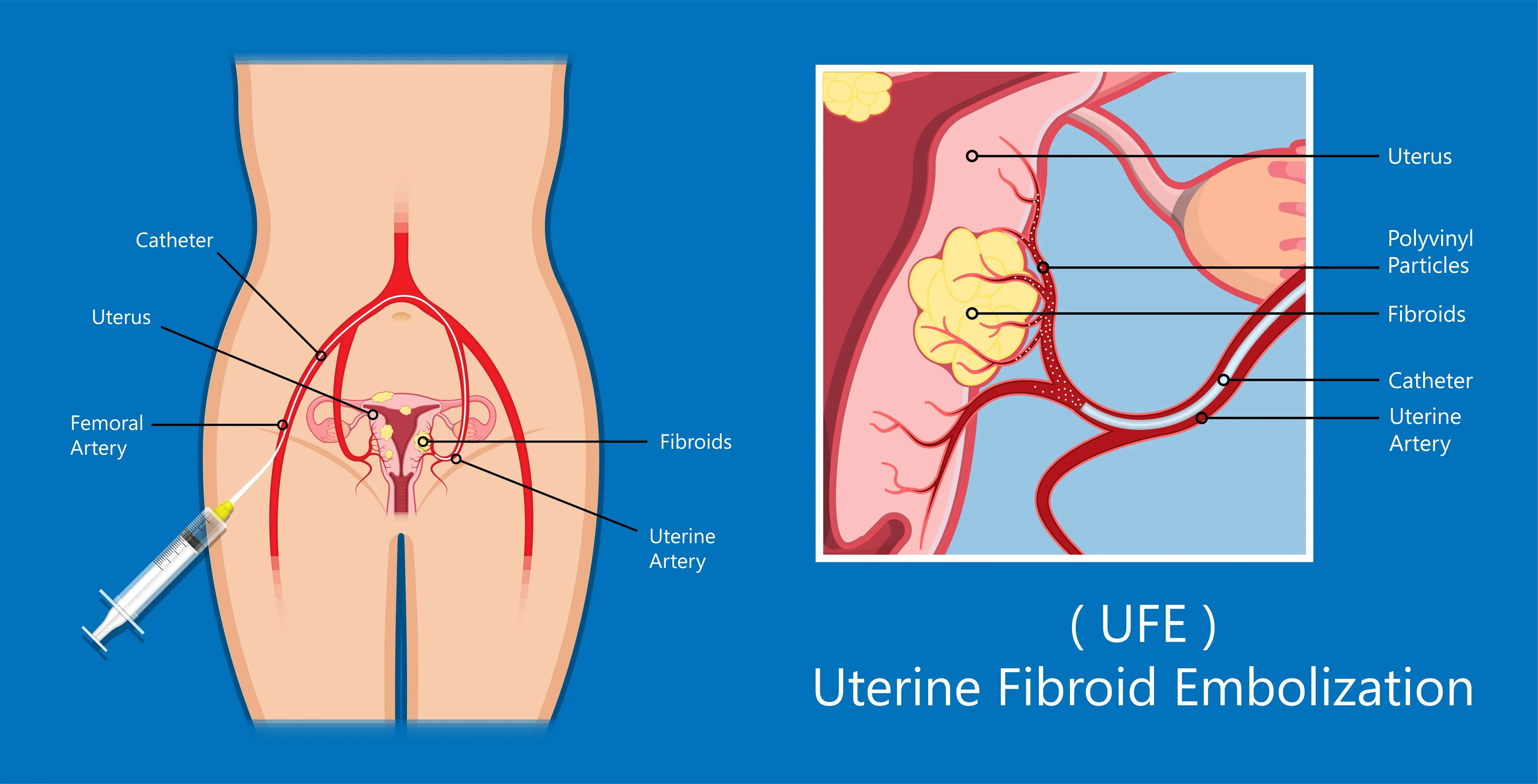
Yes, grade 1 varicocele, which is the mildest form, can often be managed without surgery, especially if there are no significant symptoms or fertility concerns. Non-surgical options like lifestyle changes, certain supplements, and embolization can be effective alternatives. While homeopathy is often considered an alternative medicine, there is no scientific evidence to support its effectiveness in treating varicocele

read more
Doctor 1Doctor 2

Answered by 1 Apollo Doctors

Is it normal to have no bacteria present if there's a history of urine infections? I've had kidney stones last year and have had urine infections 2 or 3 times. Should I be worried or is this within the normal range?

Based on your history of recurrent urine infections and a kidney stone last year, it is important to monitor your urine parameters closely. A normal urine test should not show any bacteria present. To prevent further infections, you can consider taking cranberry supplements or D-mannose powder to help maintain urinary tract health. Additionally, you can ask your doctor about prescribing you with a low-dose antibiotic such as Nitrofurantoin to take after intercourse or as a prophylactic treatment. Regular follow-up with your healthcare provider is recommended to monitor your kidney health and prevent future complications.

read more
Doctor 1Doctor 2

Answered by 1 Apollo Doctors

Disclaimer: Answers on Apollo 247 are not intended to replace your doctor advice. Always seek help of a professional doctor in case of an medical emergency or ailment.