- female
- 30 Years
- 23/01/2025
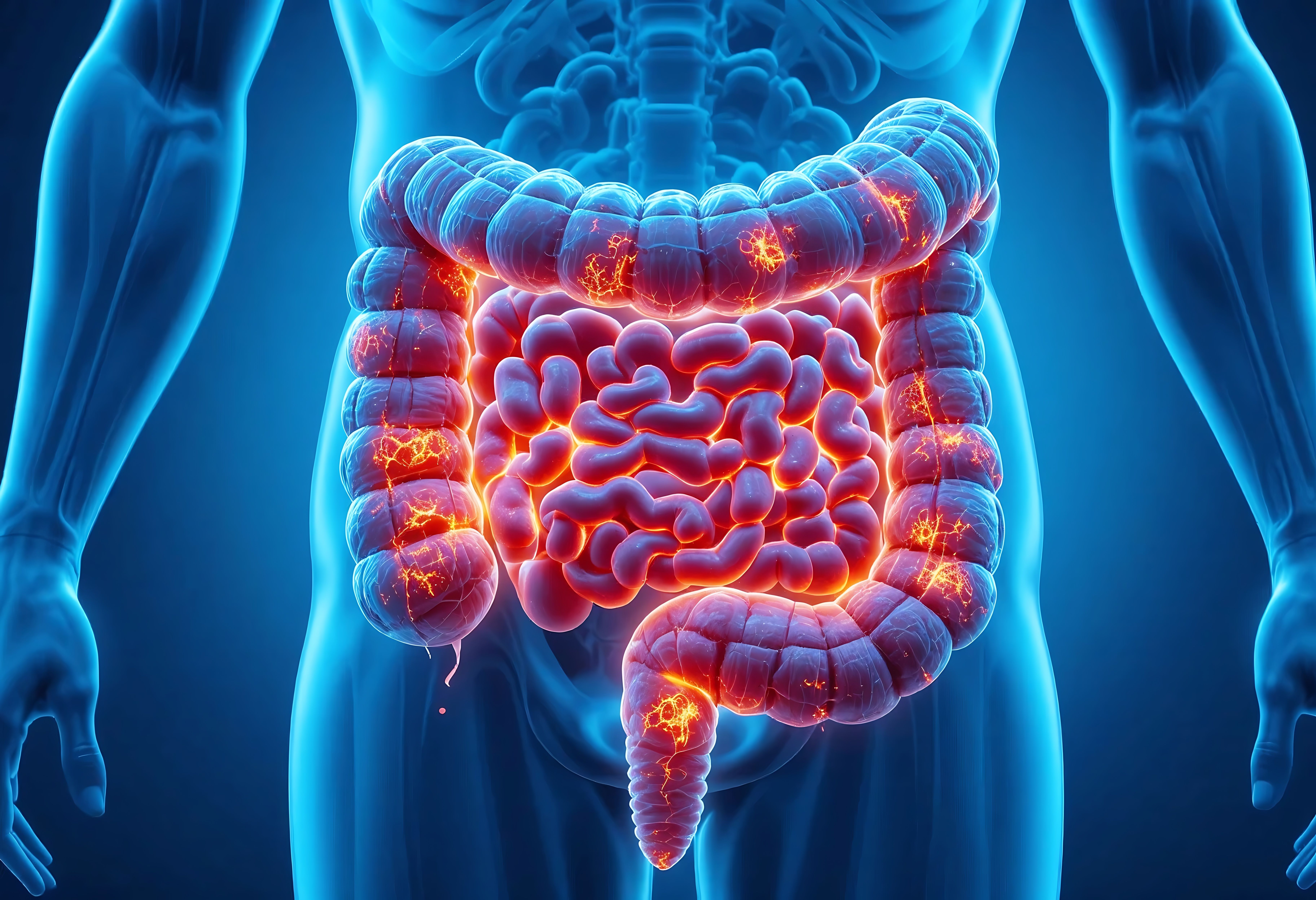
My friend has been experiencing stomach pain ever since she lifted a heavy bucket of water two days ago. She's tried some meds, but they didnt help at all. She even tried a massage to relieve the pain, but it seems to have made things worse. She saw a doctor who said its normal and will heal soon, but there's been no improvement. Should we be concerned, or is there something else we could try?
More Gastroenterology/GI medicine Health Queries
View allI've been dealing with these analrectal cuts and itching for almost a week now, and I think it's anal fissures. I'm using T Bact and Fucidin H cream, which seems to help, but the cuts keep spreading. Even after they heal, my skin still feels itchy and irritated. I'm trying to figure out why I'm getting these anal cuts so often, especially since there hasn't been any anal intercourse to stress the area. What should I do?
You may be experiencing recurrent anal fissures, which can be quite uncomfortable. The use of topical ointments like T Bact and Fucidin H cream can help with healing, but it's important to address the underlying cause to prevent recurrence. To help prevent anal fissures and promote healing, I recommend the following: - Keep the anal area clean and dry - Increase your fiber intake to soften stools and make bowel movements easier - Stay well-hydrated - Avoid straining during bowel movements - Consider using a stool softener if needed - Sitz baths can help soothe the area and promote healing In addition, you may benefit from using a topical ointment like Rectogesic (glyceryl trinitrate) to help relax the anal sphincter and promote healing of the fissures. If these measures do not provide relief or if the fissures continue to recur, I recommend consulting with a gastroenterologist for further evaluation and management.
Answered by 1 Apollo Doctors
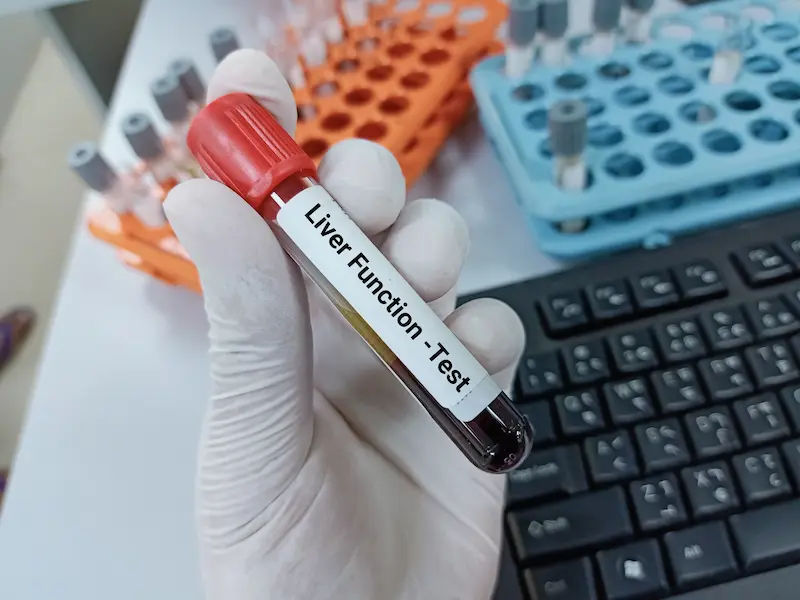
I'm really concerned about my wife's recent LFT blood test results. Her Alkaline Phosphatase level is at 141 UL, but everything else seems pretty normal. I'm wondering if there's anything specific she should do to be cautious. Is taking Liv 52 a good idea in this situation? All her scan reports came back normal, so I'm a bit confused about the next steps. Could you provide some advice on this?
_Persistent Buttock Pain and Frequent Urination: Further Evaluation and Treatment Options_ Given your persistent symptoms and normal MRI and CT scan results, it's essential to consider other possible causes and seek further evaluation. _Possible Causes:_ 1. _Piriformis syndrome_: Compression of the sciatic nerve by the piriformis muscle can cause buttock pain. 2. _Sacral or coccygeal issues_: Problems with the sacrum or coccyx can cause pain in the buttocks. 3. _Prostatitis or epididymitis_: Inflammation of the prostate or epididymis can cause pain in the buttocks, perineum, or genital area, along with frequent urination. 4. _Referred pain_: Pain from other areas, such as the lower back or hips, can radiate to the buttocks. _Next Steps:_ 1. _Consult a specialist_: Schedule an appointment with a specialist, such as an orthopedic surgeon, urologist, or pain management specialist, to further evaluate your symptoms. 2. _Physical examination and diagnostic tests_: The specialist may perform a physical examination, review your medical history, and order additional diagnostic tests, such as: - Electromyography (EMG) to assess muscle function - Nerve conduction studies (NCS) to evaluate nerve function - Ultrasound or MRI of the pelvic floor or lower back 3. _Pain management_: The specialist may recommend alternative pain management options, such as physical therapy, pain injections, or medication adjustments. _Important Notes:_ 1. _Don't ignore symptoms_: Persistent pain and frequent urination can be indicative of an underlying condition that requires attention. 2. _Seek a second opinion_: If you're not satisfied with your current diagnosis or treatment plan, consider seeking a second opinion from a specialist.
Answered by 1 Apollo Doctors
I'm having trouble with my bowel movements for the past two years. I've tried taking 12 full tablets of CremaLax to control it, but I'm worried about getting too used to it. I've also been eating a lot of fibrous vegetables, but they haven't really helped. Can you give me some advice on what else I could try?
Take 2 glasses of water in the morning. You can take isabgol husk for few days. Increase fruits, vegetables in your diet & drink 10-12 glasses of water.
Answered by 1 Apollo Doctors
Disclaimer: Answers on Apollo 247 are not intended to replace your doctor advice. Always seek help of a professional doctor in case of an medical emergency or ailment.


.webp)