


- female
- 45 Years
- 01/04/2021
What are the 3 rarest blood types?

Answered by 1 Apollo Doctors

AB negative,O negative
Dr. Ranjith Suggests...
Consult a Haematologist
Answered 04/07/2025
0
0

More Haematology Health Queries
View allI recently got some blood work done, and my WBC count is higher than normal. I'm worried it might indicate an infection or some kind of issue in my body. How can I figure out what's going on, and what kind of diagnosis should I be asking for? What steps should I take next?
Always it must be symptomatic approach if you have no symptoms repeat the test after a week if its still on higher side that need evaluation like chest xray,Us abdomen,urine culture etc.,visit Physician for the same


Answered by 1 Apollo Doctors
I'm worried about my wife's health because her Hb level is at 8.1, and she's feeling weak a lot. Sometimes she struggles with her daily tasks. Could you advise on how to improve her Hb level? Also, she mentions she has difficulty seeing things that are a bit far even though she's using high-quality glasses recommended by an eye specialist. What do you suggest?
you have to take iron injections or blood transfusion
Answered by 1 Apollo Doctors
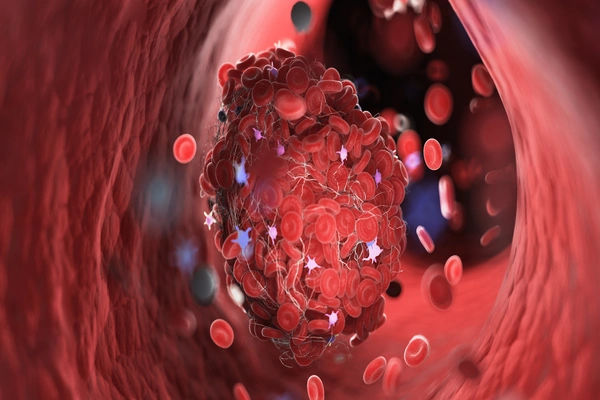
I'm worried about these blood clots in both my arms after the doctor had to prick them for a blood test. It's been pretty tough to find a vein, and now the arm that got pricked several times is bruised, tender, and moving it is painful. Should I be concerned about this, and is there anything I should do to help it heal or ease the pain?
To help with the blood clot and bruising, you can take over-the-counter pain relievers like ibuprofen to reduce pain and inflammation. Additionally, applying a cold compress to the bruised area can help with swelling. To promote healing and reduce tenderness, you can also apply a warm compress to the area. If the pain and bruising persist or worsen, it's important to follow up with your doctor.
Answered by 1 Apollo Doctors
Health Articles for you
View all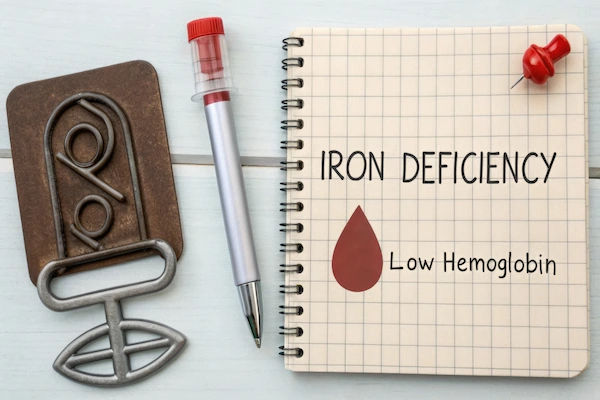
.webp)
Disclaimer: Answers on Apollo 247 are not intended to replace your doctor advice. Always seek help of a professional doctor in case of an medical emergency or ailment.