Laser Assisted Cataract Surgery Vs Traditional
Compare Laser-Assisted Cataract Surgery (FLACS) with traditional methods. Discover the differences in precision, recovery, and outcomes to help you choose the right approach for your cataract treatment.

Written by Dr. Mohammed Kamran
Reviewed by Dr. Rohinipriyanka Pondugula MBBS
Last updated on 3rd Mar, 2026

Introduction
Cataracts are a common eye condition, especially among older adults, where the eye's natural lens becomes cloudy, leading to blurry vision and difficulty seeing clearly. If left untreated, cataracts can significantly impact daily activities like reading, driving, or recognizing faces. Fortunately, cataract surgery is a safe and effective way to restore vision.
Today, there are two main types of cataract surgery: traditional (manual) cataract surgery and laser-assisted cataract surgery. Both procedures aim to remove the cloudy lens and replace it with an artificial one, but they differ in technique and precision.
In this article, we’ll explain the key differences between these two methods, their benefits, and what you can expect from each.
Understanding Cataract Surgery
Before diving into the differences, let’s briefly understand how cataract surgery works:
Removing the Cloudy Lens – The surgeon makes a small incision in the eye to break up and remove the cataract-affected lens.
Inserting an Artificial Lens – A clear intraocular lens (IOL) is placed in the eye to restore vision.
Both traditional and laser-assisted surgeries follow these steps, but the way they are performed varies.
Traditional Cataract Surgery (Phacoemulsification)
How It Works
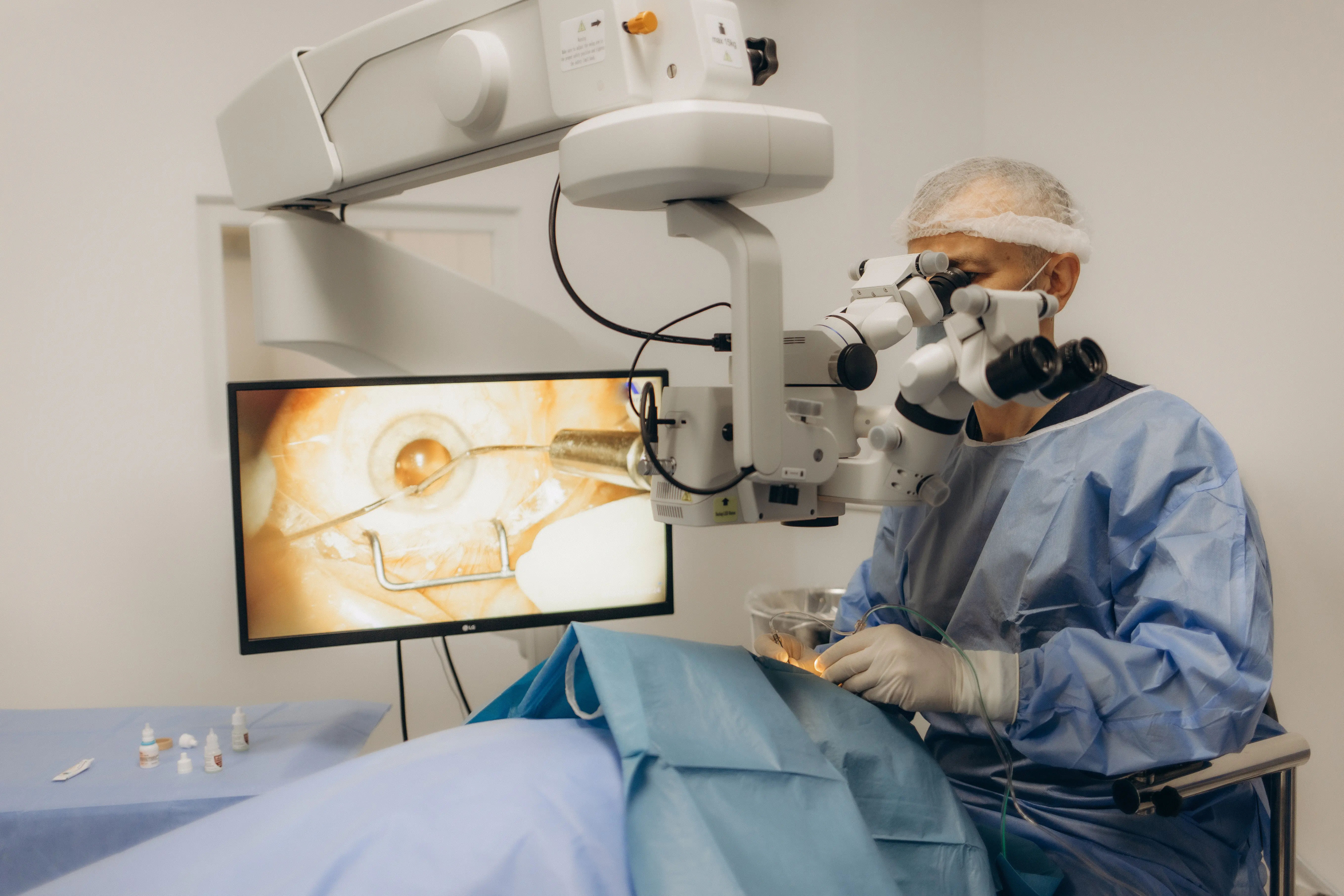
The surgeon uses a handheld blade to make a tiny incision in the cornea.
A small probe emits ultrasound waves to break the cloudy lens into small pieces, which are then suctioned out.
The artificial lens is inserted through the same incision.
Pros of Traditional Surgery
Proven and Reliable – Used for decades with high success rates.
Cost-Effective – Generally more affordable than laser-assisted surgery.
Widely Available – Performed by most eye surgeons.
Cons of Traditional Surgery
Manual Precision – Relies on the surgeon’s skill for incision and lens fragmentation.
Slightly Higher Risk of Complications – Such as corneal swelling or lens misalignment.
Consult Top Specialists for Personalised Tips
Laser-Assisted Cataract Surgery (Femtosecond Laser Cataract Surgery)
How It Works
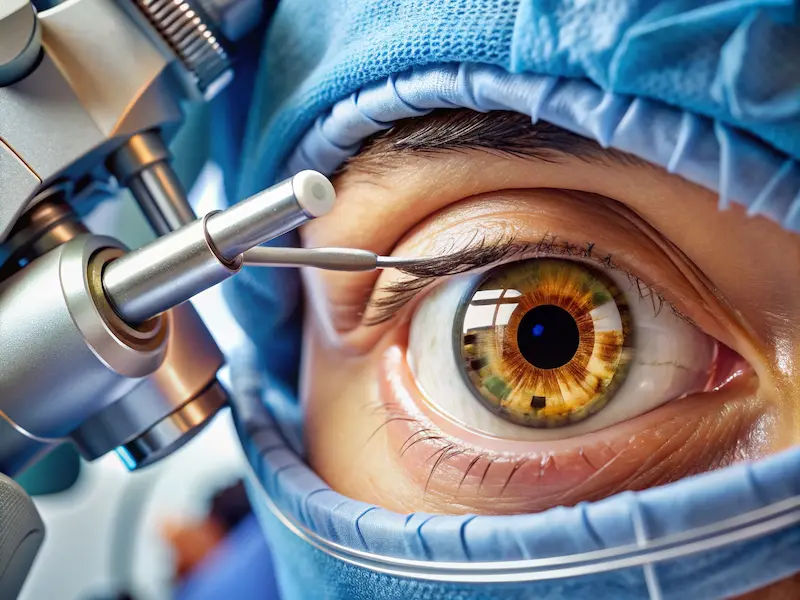
A computerguided laser creates precise incisions in the cornea.
The laser softens and breaks the cataract into smaller pieces before removal.
The artificial lens is then placed with high accuracy.
Pros of Laser Surgery
Greater Precision – The laser ensures more accurate incisions and lens placement.
Reduced Risk of Human Error – Less dependence on manual techniques.
Faster Recovery – Some patients experience quicker healing.
Better for Complex Cases – Ideal for patients with astigmatism or other eye conditions.
Cons of Laser Surgery
Higher Cost – More expensive than traditional surgery.
Limited Availability – Not all clinics offer laser-assisted procedures.
Key Differences Between Laser and Traditional Cataract Surgery
Key differences between laser and traditional cataract surgery are:
| Feature | Traditional Surgery | LaserAssisted Surgery |
|------------|-----------------------------|-----------------------------------|
| Incision Method | Manual blade | Laserguided |
| Lens Fragmentation | Ultrasound waves | Laser softening |
| Precision | Surgeondependent | Computercontrolled |
| Recovery Time | Slightly longer | Potentially faster |
| Cost | More affordable | More expensive |
Which One Is Right for You?
The best choice depends on your eye health, budget, and personal preferences.
Choose Traditional Surgery If:
You want a costeffective, proven method.
Your cataracts are straightforward without complications.
Choose Laser-Assisted Surgery If:
You have astigmatism or other complex eye conditions.
You prefer the latest technology for higher precision.
Your budget allows for a more advanced procedure.
Your ophthalmologist can help determine the best option based on your eye examination.
Recovery and Aftercare Tips
Regardless of the surgery type, proper aftercare ensures the best results:
Use Prescribed Eye Drops – To prevent infection and reduce inflammation.
Avoid Rubbing Your Eyes – This can interfere with healing.
Wear Sunglasses – Protect your eyes from bright light and dust.
Limit Strenuous Activities – Avoid heavy lifting or bending for a few weeks.
Attend FollowUp Appointments – To monitor healing progress.
Most patients notice improved vision within a few days, with full recovery in about a month.
When to See a Doctor?
If you experience:
Severe pain or sudden vision loss
Increased redness or swelling
Flashes of light or floating spots
…contact your eye doctor immediately, as these could indicate complications.
Final Thoughts
Both traditional and laser-assisted cataract surgeries are safe and effective, with high success rates. While laser surgery offers more precision, traditional surgery remains a reliable and affordable option. If you or a loved one is considering cataract surgery, consult an eye specialist to discuss the best approach for your needs. Book a consultation with an Apollo24|7 ophthalmologists today for personalized guidance on cataract treatment options.
Consult Top Eye Surgeon
Consult Top Specialists for Personalised Tips

Dr. Padmini S
Ophthalmologist
4 Years • MBBS,MS
Bengaluru
Apollo Medical Center, Marathahalli, Bengaluru

Dr L R Seth
Ophthalmologist
36 Years • MBBS, MS, DOMS
Delhi
Apollo Hospitals Indraprastha, Delhi

Dr. Ashu Agarwal
Ophthalmologist
24 Years • MBBS, MS
Delhi
Apollo Hospitals Indraprastha, Delhi

Dr. Arpita Agrawal
Ophthalmologist
20 Years • MBBS MS FLUPEI
Bhopal
Apollo Sage Hospitals, Bhopal

Dr Anoop Mishra
Ophthalmologist
10 Years • "MS (Ophthalmology), FVRS Phaco Fellowship, Retina Fellowship "
Lucknow
Apollomedics Super Speciality Hospital, Lucknow
Consult Top Eye Surgeon
Dr. Padmini S
Ophthalmologist
4 Years • MBBS,MS
Bengaluru
Apollo Medical Center, Marathahalli, Bengaluru
Dr L R Seth
Ophthalmologist
36 Years • MBBS, MS, DOMS
Delhi
Apollo Hospitals Indraprastha, Delhi
Dr. Ashu Agarwal
Ophthalmologist
24 Years • MBBS, MS
Delhi
Apollo Hospitals Indraprastha, Delhi
Dr. Arpita Agrawal
Ophthalmologist
20 Years • MBBS MS FLUPEI
Bhopal
Apollo Sage Hospitals, Bhopal
Dr Anoop Mishra
Ophthalmologist
10 Years • "MS (Ophthalmology), FVRS Phaco Fellowship, Retina Fellowship "
Lucknow
Apollomedics Super Speciality Hospital, Lucknow