Cervical Cancer in Indian Women
Know about cervical cancer in women, their symptoms, causes, diagnosis and treatment. Learn about the management and prevention of cervical cancer among women.

Written by Dr. Vasanthasree Nair
Reviewed by Dr. J T Hema Pratima MBBS, Fellowship in Diabetes Mellitus
Last updated on 13th Jan, 2026

Introduction
Cervical cancer is one of the most common cancers affecting women in India, but the good news is that it is preventable and treatable if detected early. This article aims to provide clear, compassionate, and useful information about cervical cancer—its causes, symptoms, prevention, and treatment—so you can take the right steps to protect your health.
What Is Cervical Cancer?
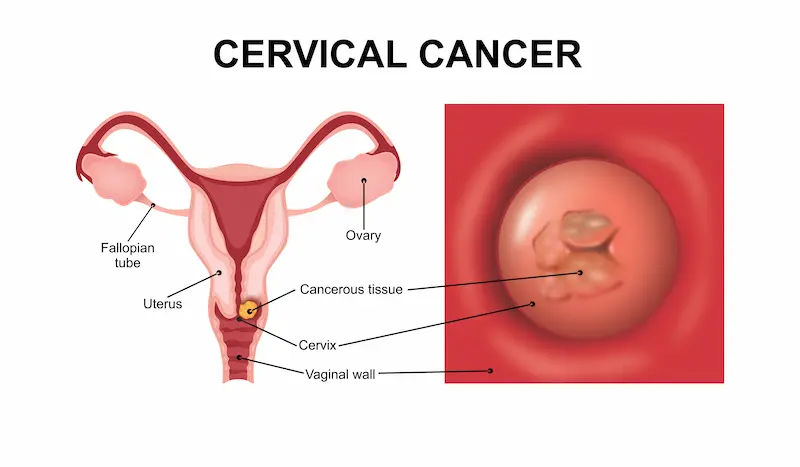
Cervical cancer occurs when abnormal cells in the cervix (the lower part of the uterus that connects to the vagina) grow uncontrollably. These cells can form a tumour and, if left untreated, spread to other parts of the body.
Why Is Cervical Cancer Common in Indian Women?
India accounts for nearly one-fourth of global cervical cancer cases, making it a significant health concern. Several factors contribute to this:
Lack of awareness about screening and prevention.
Limited access to healthcare, especially in rural areas.
High prevalence of HPV (Human Papillomavirus), the main cause of cervical cancer.
Late diagnosis due to delayed medical visits.
Consult a Gynaecology doctor for Personalised Advice
What Causes Cervical Cancer?
The primary cause is persistent infection with high-risk types of HPV, a sexually transmitted virus. Other risk factors include:
Weakened immune system (due to HIV, malnutrition, or other conditions).
Smoking increases the risk of cervical cancer.
Long-term use of birth control pills (more than 5 years).
Multiple pregnancies or early pregnancies (before age 17).
Poor genital hygiene and lack of safe sexual practices.
What Are the Symptoms?
In early stages, cervical cancer may not show any symptoms, which is why regular screening is crucial. As it progresses, women may experience:
Abnormal vaginal bleeding (after intercourse, between periods, or after menopause).
Unusual vaginal discharge (foul-smelling or bloody).
Pelvic pain or pain during intercourse.
Fatigue, weight loss, or swelling in the legs (in advanced stages).
If you notice any of these symptoms, consult a doctor immediately.
How Is Cervical Cancer Diagnosed?
Early detection saves lives! Here are the key tests:
Pap Smear (Pap Test) – A simple test where cells from the cervix are examined for abnormalities.
HPV Test – Checks for high-risk HPV strains.
Colposcopy & Biopsy – If abnormalities are found, a closer examination is done.
Women aged 21–65 should get regular screenings as advised by their doctor.
Can Cervical Cancer Be Prevented?
Yes. Here’s how:
1. HPV Vaccination
The HPV vaccine protects against cancer-causing HPV strains.
Best given between ages 9–26, but adults up to 45 can also benefit.
Available in India under brands like Gardasil and Cervarix.
2. Regular Screening (Pap Smear/HPV Test)
Every 3 years (Pap test) or every 5 years (HPV test) for women aged 30–65.
Helps detect precancerous changes before they turn into cancer.
3. Safe Sexual Practices
Use condoms to reduce HPV transmission.
Limit the number of sexual partners.
4. Quit Smoking
Smoking weakens immunity and increases cervical cancer risk.
5. Healthy Diet & Lifestyle
Eat fruits, vegetables, and antioxidant-rich foods.
Maintain a strong immune system with a balanced diet.
How Is Cervical Cancer Treated?
Treatment depends on the cancer stage:
Early-stage cancer: Surgery (removal of the tumour or cervix) or radiation.
Advanced cancer: Chemotherapy, radiation, or immunotherapy.
Early detection = Better outcomes!
Take Action Today
By Following these:
Get vaccinated if you’re eligible.
Schedule a Pap smear or HPV test—Apollo 24|7 offers easy home sample collection and lab tests.
Educate other women in your family and community.
Final Thoughts
Cervical cancer is the most common cancer among women. It is caused by a lack of awareness of the disease, long-term use of birth control pills and multiple pregnancies. The symptoms include unusual vaginal discharge, abnormal vaginal bleeding and pelvic pain. The treatment includes surgery or radiation use and chemotherapy. If the condition is critical, one may visit the doctor immediately.
Consult a Gynaecology doctor for Personalised Advice
Consult a Gynaecology doctor for Personalised Advice

Dr. Renuka Chandran
Obstetrician and Gynaecologist
30 Years • MBBS, MD, DGO, Masters in Advanced Ultrasound in Obs & Gynea
Bangalore
Apollo Clinic Bellandur, Bangalore

Dr. Spoorthi G Reddy
Oncologist
10 Years • MBBS, MD (Medicine), DrNB (Medical Oncology)
Bengaluru
Apollo Clinic, HSR Layout, Bengaluru

Dr. B Shravanthi Reddy
Radiation Specialist Oncologist
8 Years • MBBS, DNB(Radiation Oncology)
Manikonda Jagir
Apollo Clinic, Manikonda, Manikonda Jagir

Dr. Sai Lakshmi Daayana
Gynaecological Oncologist
18 Years • MBBS, MRCOG
Hyderabad
Apollo Hospitals Jubilee Hills, Hyderabad

(250+ Patients)

Dr. Revathi S Rajan
Obstetrician and Gynaecologist
24 Years • MBBS, DGO, DNB.FFMM
Bengaluru
Apollo Clinic, JP nagar, Bengaluru