How To Increase Blood Pressure In Dengue?
Discover safe and effective ways to increase low blood pressure during dengue through proper hydration, nutrition, and supportive care to aid faster recovery.

Written by Dr. J T Hema Pratima
Reviewed by Dr. Rohinipriyanka Pondugula MBBS
Last updated on 15th Mar, 2026
Introduction
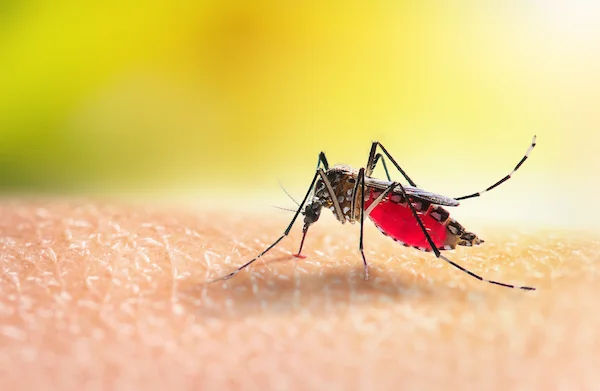
Dengue fever is a viral illness spread by mosquitoes, and it can sometimes lead to complications like low blood pressure (hypotension). Low blood pressure in dengue occurs due to dehydration, blood loss, or plasma leakage from blood vessels. If not managed properly, it can lead to dizziness, weakness, and even shock. If you or a loved one is suffering from dengue and experiencing low blood pressure, here’s a simple guide to help manage it effectively.
Why Does Blood Pressure Drop in Dengue?
Dengue can cause a sudden drop in blood pressure due to:
Dehydration: Fever and sweating reduce body fluids.
Plasma leakage: The virus can make blood vessels leaky, reducing blood volume.
Internal bleeding: Severe dengue (dengue haemorrhagic fever) can cause bleeding, lowering blood pressure.
Symptoms of Low Blood Pressure in Dengue
Some of the symptoms of low blood pressure in dengue include:
Dizziness or fainting
Fatigue and weakness
Rapid, weak pulse
Cold, clammy skin
Blurred vision
Nausea
If these symptoms appear, seek medical help immediately.
Consult Top General Physician
How to Increase Blood Pressure in Dengue?
Ways to increase blood pressure in dengue are:
1. Stay Hydrated
Drink plenty of fluids like ORS (Oral Rehydration Solution), coconut water, fresh fruit juices, and electrolyte drinks.
Avoid caffeinated or sugary drinks, as they can worsen dehydration.
2. Eat Small, Frequent Meals
Consume easily digestible foods like khichdi, soups, bananas, and boiled vegetables.
Salty snacks (in moderation) can help retain fluids and raise blood pressure.
3. Increase Salt Intake (Moderately)
A slight increase in salt can help retain water and improve blood pressure.
However, avoid excessive salt if you have kidney or heart issues.
4. Rest and Avoid Sudden Movements
Lie down with your legs elevated to improve blood flow to the heart and brain.
Stand up slowly to prevent dizziness.
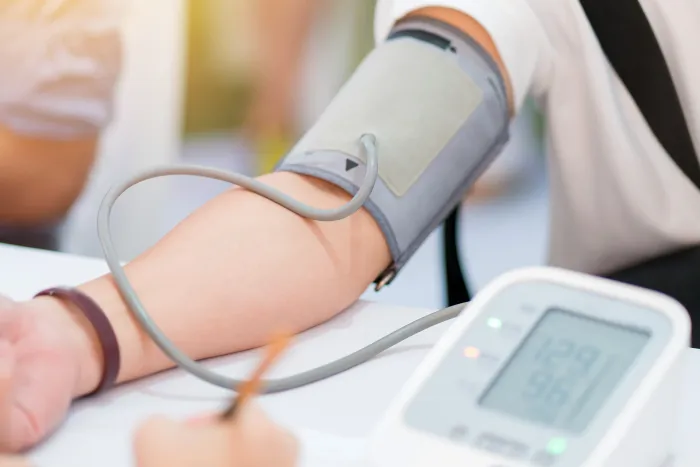
5. Monitor Vital Signs Regularly
Check blood pressure, pulse, and temperature frequently.
If BP remains low despite home care, seek medical attention.
6. Medical Treatment (If Needed)
In severe cases, IV fluids or blood transfusions may be required.
Never self-medicate. Always consult a doctor.
When to See a Doctor?
Seek emergency care if you notice:
Persistent dizziness or fainting
Very low blood pressure (below 90/60 mmHg)
Severe abdominal pain
Bleeding gums or nosebleeds
Difficulty breathing
Prevention Tips for Low Blood Pressure in Dengue
Some of the prevention tips for low blood pressure in dengue are:
Stay Well-Hydrated: Drink plenty of fluids like water, coconut water, and oral rehydration solutions to maintain blood volume and prevent dehydration.
Monitor Blood Pressure Regularly: Keep track of readings during illness to detect sudden drops early.
Eat Small, Frequent Meals: Include nutrient-rich foods with enough salt and fluids to help maintain stable blood pressure.
Avoid Sudden Position Changes: Move slowly when standing up from a lying or sitting position to prevent dizziness or fainting.
Rest Adequately: Prioritise bed rest and avoid strenuous activity during the recovery period.
Follow Medical Advice: Take prescribed fluids or medications as directed to stabilise blood pressure levels and avoid complications.
Conclusion
Managing low blood pressure during dengue is crucial for preventing complications and supporting a smoother recovery. Simple measures like staying well-hydrated, consuming a balanced diet, and getting adequate rest can significantly help maintain healthy blood pressure levels. Regular monitoring and timely medical intervention are essential to ensure stability and avoid severe drops. With the right care and attention, patients can recover safely and regain strength effectively.
Consult Top General Physician
Consult Top General Physician

Dr. Rajib Ghose
General Physician/ Internal Medicine Specialist
25 Years • MBBS
East Midnapore
VIVEKANANDA SEBA SADAN, East Midnapore

Dr. Anindita Mondal
General Physician/ Internal Medicine Specialist
8 Years • MBBS
Kolkata
VDC Clinic, Kolkata

Dr. Pinaki Mukhopadhyay
General Practitioner
33 Years • MBBS
Kolkata
MCR SUPER SPECIALITY POLY CLINIC & PATHOLOGY, Kolkata

(25+ Patients)

Dr. Anand Ravi
General Physician
2 Years • MBBS, FEM
Bengaluru
PRESTIGE SHANTHINIKETAN - SOCIETY CLINIC, Bengaluru

Dr. Sougata Kumar
General Practitioner
9 Years • MBBS
East Midnapore
VIVEKANANDA SEBA SADAN, East Midnapore
Consult Top General Physician
Dr. Rajib Ghose
General Physician/ Internal Medicine Specialist
25 Years • MBBS
East Midnapore
VIVEKANANDA SEBA SADAN, East Midnapore
Dr. Anindita Mondal
General Physician/ Internal Medicine Specialist
8 Years • MBBS
Kolkata
VDC Clinic, Kolkata
Dr. Pinaki Mukhopadhyay
General Practitioner
33 Years • MBBS
Kolkata
MCR SUPER SPECIALITY POLY CLINIC & PATHOLOGY, Kolkata
(25+ Patients)
Dr. Anand Ravi
General Physician
2 Years • MBBS, FEM
Bengaluru
PRESTIGE SHANTHINIKETAN - SOCIETY CLINIC, Bengaluru
Dr. Sougata Kumar
General Practitioner
9 Years • MBBS
East Midnapore
VIVEKANANDA SEBA SADAN, East Midnapore