Dengue Fever Duration and Symptoms Overview
Know about the typical duration and stages of dengue fever, common symptoms to watch for, how the illness progresses, tips to manage dengue fever and when to seek medical attention for effective management and recovery

Written by Dr. Shaik Abdul Kalam
Reviewed by Dr. Rohinipriyanka Pondugula MBBS
Last updated on 13th Jan, 2026
Introduction
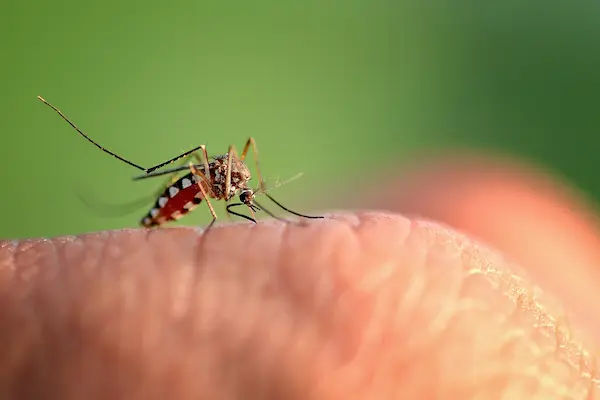
Dengue fever is a viral illness spread by mosquitoes, primarily the Aedes aegypti mosquito. It is common in tropical and subtropical regions, including India, and can range from mild to severe. Understanding its symptoms, duration, and how to manage it can help you recover faster and prevent complications.
What Are the Symptoms of Dengue Fever?
Dengue symptoms usually appear 4 to 10 days after being bitten by an infected mosquito. The illness can be classified into three phases:
1. Mild Dengue (Dengue Fever)
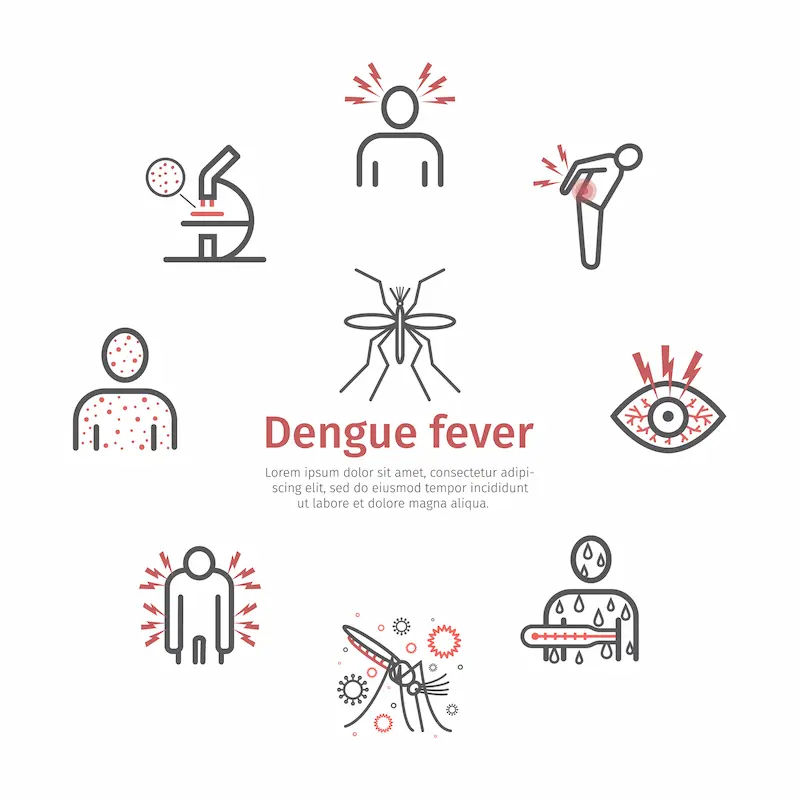
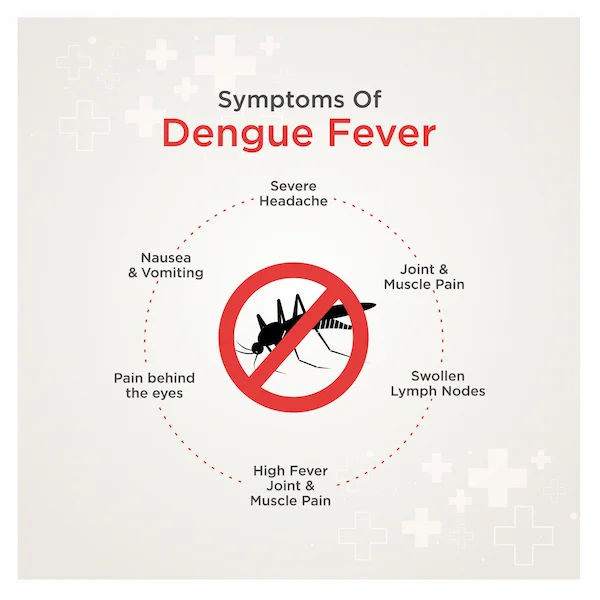
- Sudden high fever (up to 104°F or 40°C)
- Severe headache, especially behind the eyes
- Muscle and joint pain (often called "breakbone fever")
- Nausea and vomiting
- Skin rash (appearing 2-5 days after fever starts)
- Fatigue and weakness
2. Severe Dengue (Dengue Haemorrhagic Fever or Dengue Shock Syndrome)
In some cases, dengue can become severe, leading to:
- Persistent vomiting
- Severe abdominal pain
- Bleeding gums or nosebleeds
- Blood in urine, stool, or vomit
- Rapid breathing or difficulty breathing
- Cold, clammy skin
- Extreme fatigue or restlessness
If you or a loved one experience these severe symptoms, seek medical help immediately.
Consult a Top General Physician for the best advice
How Long Does Dengue Fever Last?
Dengue fever typically follows three phases:
1. Febrile Phase (Days 1-3)
- High fever, body aches, and headache dominate.
- A rash may appear.
2. Critical Phase (Days 4-7)
- Fever may drop, but this is when complications can arise.
- Plasma leakage (fluid accumulation) can occur, leading to shock.
- Platelet count may drop, increasing bleeding risk.
3. Recovery Phase (Days 7-10)
- Fever subsides, and the body starts healing.
- Fatigue and weakness may persist for weeks.
Most people recover within 1-2 weeks, but severe cases may require hospitalization.
How Does Dengue Affect Your Health?
Dengue weakens the immune system, leading to:
- Extreme fatigue and weakness
- Low platelet count (increasing bleeding risk)
- Organ damage in severe cases (liver, heart, or brain)
Tips for Managing Dengue Fever
Here are some helpful tips to manage dengue fever and support faster recovery:
1. Stay Hydrated
- Drink plenty of fluids (water, coconut water, oral rehydration solutions).
- Avoid caffeinated or sugary drinks.
2. Rest and Monitor Symptoms
- Get enough sleep to help your body recover.
- Keep track of fever, vomiting, and bleeding signs.
3. Eat Nutritious Foods
- Include papaya leaf juice (may help increase platelets).
- Eat light, easily digestible foods (soups, fruits, boiled vegetables).
4. Avoid Painkillers Like Aspirin or Ibuprofen
- These can increase bleeding risk.
- Use paracetamol (acetaminophen) for fever and pain.
5. Prevent Mosquito Bites
- Use mosquito nets and repellents.
- Wear full-sleeved clothing.
- Keep surroundings clean to avoid mosquito breeding.
When to See a Doctor?
If you experience:
- Persistent high fever for more than 3 days
- Severe vomiting or abdominal pain
- Bleeding from gums, nose, or urine
- Difficulty breathing or extreme fatigue
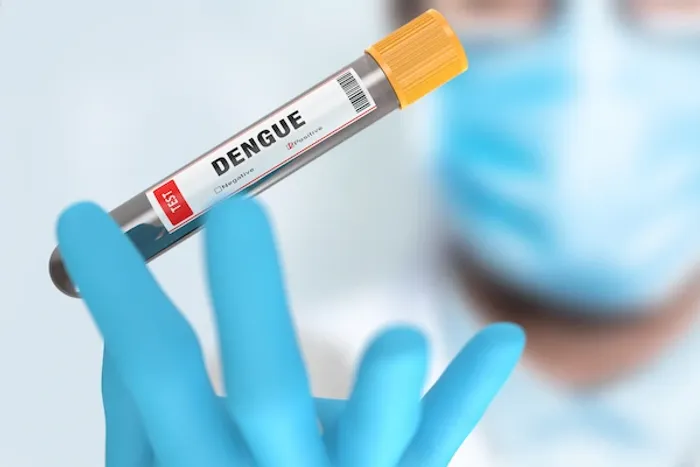
If you suspect dengue, getting a blood test (NS1 antigen or PCR test) can confirm the diagnosis.

Final Thoughts
Dengue fever can be challenging, but early detection and proper care can speed up recovery. Stay vigilant, follow preventive measures, and seek medical help if symptoms worsen.
Consult a Top General Physician for the best advice
Consult a Top General Physician for the best advice

Dr. Rajib Ghose
General Physician/ Internal Medicine Specialist
25 Years • MBBS
East Midnapore
VIVEKANANDA SEBA SADAN, East Midnapore

Dr. Pinaki Mukhopadhyay
General Practitioner
33 Years • MBBS
Kolkata
MCR SUPER SPECIALITY POLY CLINIC & PATHOLOGY, Kolkata

(25+ Patients)

Dr. Sudhashree R
General Physician/ Internal Medicine Specialist
13 Years • MBBS, MRCEM
Bengaluru
Apollo Clinic, JP nagar, Bengaluru

Dr. Vivek D
General Physician
4 Years • MBBS
Bengaluru
PRESTIGE SHANTHINIKETAN - SOCIETY CLINIC, Bengaluru

Dr. Divyashree K
General Physician/ Internal Medicine Specialist
5 Years • MBBS
Bengaluru
Apollo Clinic, JP nagar, Bengaluru
Consult a Top General Physician for the best advice
Dr. Rajib Ghose
General Physician/ Internal Medicine Specialist
25 Years • MBBS
East Midnapore
VIVEKANANDA SEBA SADAN, East Midnapore
Dr. Pinaki Mukhopadhyay
General Practitioner
33 Years • MBBS
Kolkata
MCR SUPER SPECIALITY POLY CLINIC & PATHOLOGY, Kolkata
(25+ Patients)
Dr. Sudhashree R
General Physician/ Internal Medicine Specialist
13 Years • MBBS, MRCEM
Bengaluru
Apollo Clinic, JP nagar, Bengaluru
Dr. Vivek D
General Physician
4 Years • MBBS
Bengaluru
PRESTIGE SHANTHINIKETAN - SOCIETY CLINIC, Bengaluru
Dr. Divyashree K
General Physician/ Internal Medicine Specialist
5 Years • MBBS
Bengaluru
Apollo Clinic, JP nagar, Bengaluru