Do Breasts Get Smaller After Hysterectomy
Explore the connection between hysterectomy and breast size. Understand hormonal changes and how they might impact your body after surgery.

Written by Dr. Rohinipriyanka Pondugula
Reviewed by Dr. D Bhanu Prakash MBBS, AFIH, Advanced certificate in critical care medicine, Fellowship in critical care medicine
Last updated on 13th Jan, 2026
Introduction
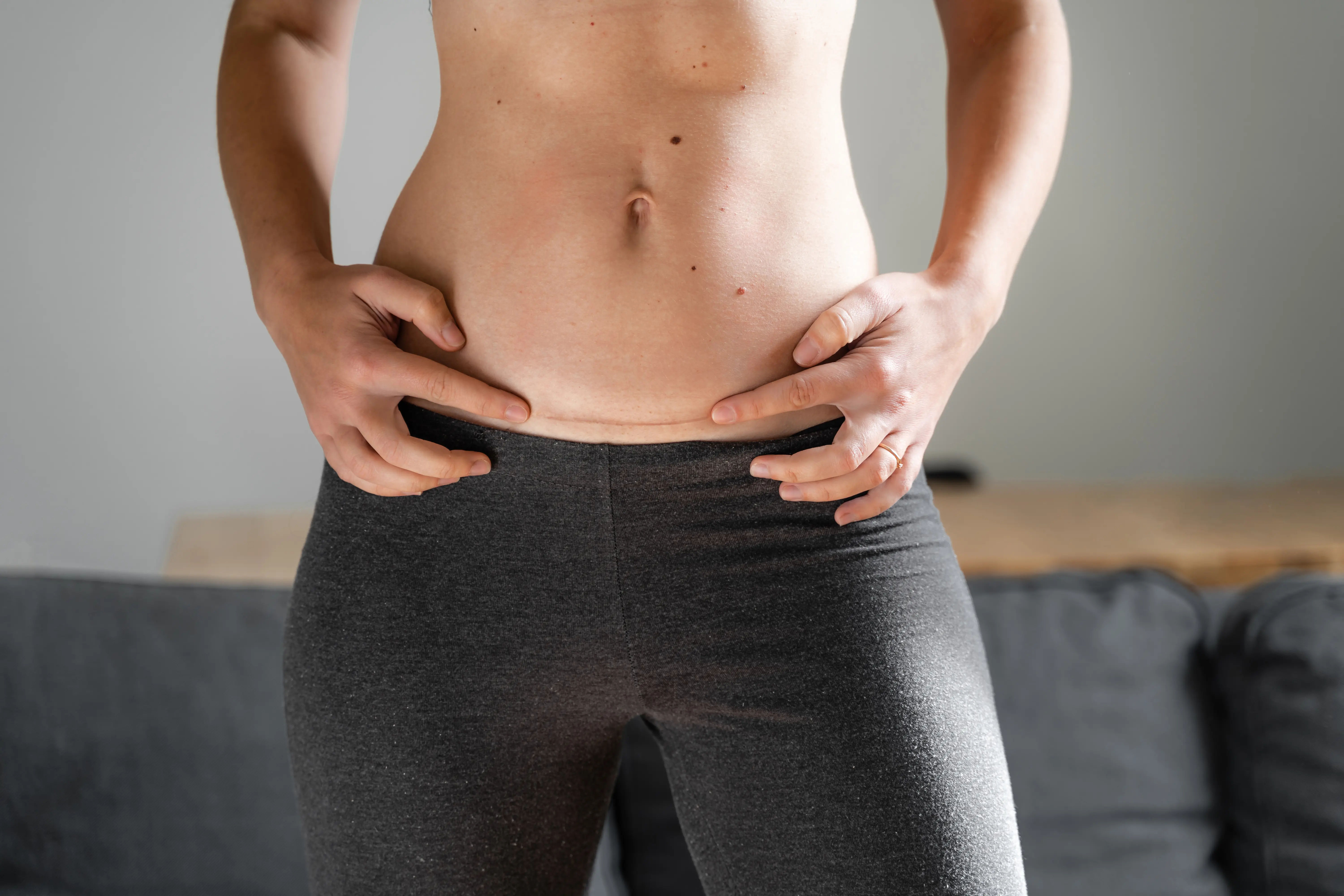
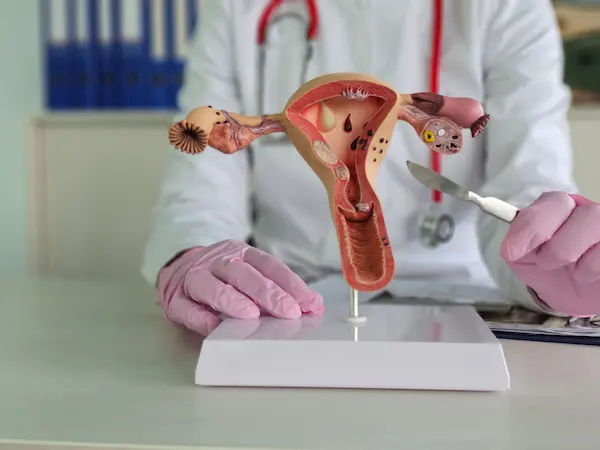
If you’ve had a hysterectomy (surgical removal of the uterus) or are considering one, you may have concerns about how it affects your body, including your breasts. Many women wonder if their breasts will shrink after the procedure. Let’s explore this topic in a simple and supportive way.
Can a Hysterectomy Affect Breast Size?
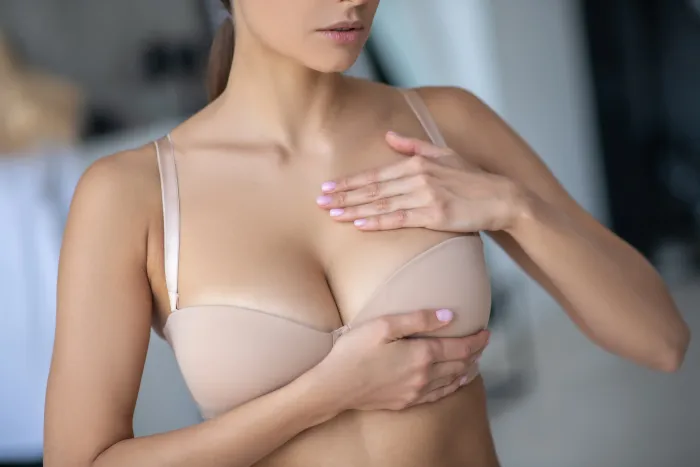
The short answer is: sometimes, but not always. Whether your breasts get smaller after a hysterectomy depends on several factors, including:
1. Type of Hysterectomy – If only the uterus is removed (partial hysterectomy), hormonal changes are minimal. However, if the ovaries are also removed (total hysterectomy with oophorectomy), hormonal shifts can be more significant.
2. Hormonal Changes – The ovaries produce estrogen, a hormone that influences breast size. If they are removed, estrogen levels drop, which may lead to breast shrinkage.
3. Age & Menopause Status – If you’re already in menopause, your hormone levels are naturally lower, so a hysterectomy may not cause much additional change.
Why Might Breasts Get Smaller?
If your ovaries are removed during the hysterectomy, your body experiences surgical menopause, leading to a sudden drop in estrogen. This can cause:
Loss of breast fullness (due to reduced glandular tissue).
Sagging or reduced firmness (as estrogen helps maintain skin elasticity).
Possible weight changes, which can also affect breast size.
If your ovaries are left intact, hormonal changes are usually milder, and breast size may not be significantly affected.
Other Factors That Influence Breast Size
Even without a hysterectomy, breasts naturally change over time due to:
Aging – Breasts lose elasticity and firmness.
Weight fluctuations – Gaining or losing weight affects breast size.
Pregnancy & breastfeeding – Hormonal shifts during these phases can alter breast shape and size.
How to Manage Changes in Breast Size
If you notice changes in your breasts after a hysterectomy, here are some ways to manage them:
Hormone Replacement Therapy (HRT) If you’ve had your ovaries removed, HRT can help balance estrogen levels, reducing symptoms like breast shrinkage, hot flashes, and mood swings. Always discuss HRT risks and benefits with your doctor.
Supportive Bras: A wellfitted bra can improve comfort and appearance.
Consider padded or pushup bras if you feel self-conscious about reduced size.
Healthy Diet & Exercise: Eating a balanced diet rich in protein, healthy fats, and vitamins supports skin and tissue health. Strength training (like chest exercises) can help improve muscle tone under the breasts.
Moisturizing & Skin Care: Keeping the skin hydrated with lotions or oils can help maintain elasticity.
Accepting Natural Changes: Bodies change over time, and fluctuations in breast size are normal. Embrace selfcare and body positivity.
Consult Top Specialists for Gynecologist
When to See a Doctor
If you experience:
Sudden or severe breast shrinkage (unrelated to weight loss).
Pain, lumps, or unusual changes in breast tissue.
Severe menopausal symptoms (like extreme mood swings or bone loss).
It’s best to consult a doctor. You can easily book a gynecologist consultation on Apollo 24|7 for personalized advice.
Final Thoughts
While some women may notice smaller breasts after a hysterectomy (especially if ovaries are removed), it doesn’t happen to everyone. Hormonal changes, age, and lifestyle play a role. If you’re concerned, speak to your doctor about ways to manage these changes comfortably. Remember, your body is unique, and changes are a natural part of life. Taking care of your overall health is the best way to feel confident and comfortable in your skin.
Consult Top Specialists for Gynecologist
Consult Top Specialists for Gynecologist

Dr. Parul Sharma
Obstetrician and Gynaecologist
8 Years • MBBS, MS (Obstetrics & Gynaecology)
New Delhi
THE DOCTORS NESST, New Delhi

Dr. Mona Yadav
Obstetrician and Gynaecologist
19 Years • MBBS, MD (Obstetrics & Gynaecology)
Dombivli
Nulife multispeciality, Dombivli

Dr Chanda Chowdhury
Obstetrician and Gynaecologist
23 Years • MBBS, DNB (Obstetrics & Gynaecology)
Kolkata
Apollo Multispeciality Hospitals , Kolkata, Kolkata

(200+ Patients)

Dr. Aanchal Agarwal
Obstetrician and Gynaecologist
9 Years • MBBS, MS, DNB,( Fellowship in Obst. Gynae. ultrasound )
Kolkata
Sanjeewan clinic, Kolkata

Dr. Debajyoti Goswami
Obstetrician and Gynaecologist
10 Years • MBBS,D.G.O(DNB),Adv. Infertility Tech.(AIIMS, Delhi),Fellowship in Diabetes(U.K),Comprehensive Abortion Care(Govt. Of W.B), Certificate in Clinical Embryology(AIIMS, BHUBANESWAR)
Bankura
D.G Clinic, Bankura
(25+ Patients)
Consult Top Specialists for Gynecologist
Dr. Parul Sharma
Obstetrician and Gynaecologist
8 Years • MBBS, MS (Obstetrics & Gynaecology)
New Delhi
THE DOCTORS NESST, New Delhi
Dr. Mona Yadav
Obstetrician and Gynaecologist
19 Years • MBBS, MD (Obstetrics & Gynaecology)
Dombivli
Nulife multispeciality, Dombivli
Dr Chanda Chowdhury
Obstetrician and Gynaecologist
23 Years • MBBS, DNB (Obstetrics & Gynaecology)
Kolkata
Apollo Multispeciality Hospitals , Kolkata, Kolkata
(200+ Patients)
Dr. Aanchal Agarwal
Obstetrician and Gynaecologist
9 Years • MBBS, MS, DNB,( Fellowship in Obst. Gynae. ultrasound )
Kolkata
Sanjeewan clinic, Kolkata
Dr. Debajyoti Goswami
Obstetrician and Gynaecologist
10 Years • MBBS,D.G.O(DNB),Adv. Infertility Tech.(AIIMS, Delhi),Fellowship in Diabetes(U.K),Comprehensive Abortion Care(Govt. Of W.B), Certificate in Clinical Embryology(AIIMS, BHUBANESWAR)
Bankura
D.G Clinic, Bankura
(25+ Patients)