


Grade 1 Fatty Liver Causes, Symptoms & Reversal Tips
Learn what Grade 1 fatty liver means and how to reverse fatty liver with simple liver health tips on diet, exercise, weight loss, and medical follow-up.
Written by Dr. Mohammed Kamran
Reviewed by Dr. Rohinipriyanka Pondugula MBBS
Last updated on 14th Jan, 2026
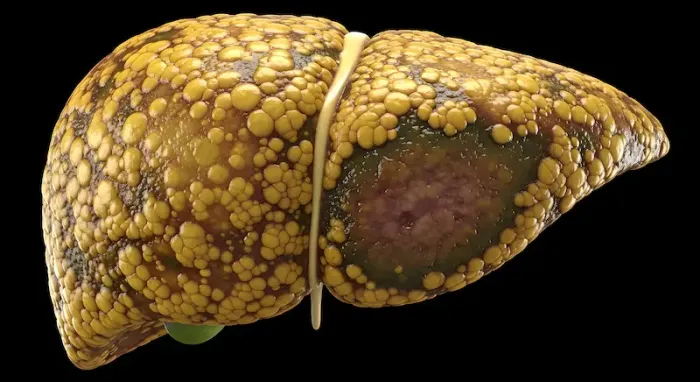
Introduction
Grade 1 fatty liver is an early, mild build-up of fat in the liver. It is common, often silent, and crucially usually reversible with the right lifestyle measures. Understanding what causes it, how it is identified, and which daily actions produce the most meaningful improvements can help you protect both liver and metabolic health. This guide explains what Grade 1 fatty liver means, the key causes and symptoms, and practical steps you can take to reverse fatty liver safely and effectively.
What Is Grade 1 Fatty Liver?
Grade 1 fatty liver refers to mild fat accumulation in liver cells without significant inflammation or scarring. It is frequently discovered during an ultrasound or other imaging test performed for unrelated reasons. Clinicians may refer to this condition as fatty liver, non-alcoholic fatty liver disease (NAFLD), or the updated term metabolic dysfunction-associated steatotic liver disease (MASLD). In simple terms, the liver contains more fat than it should, but no advanced damage is present.
Grade 1 matters because it represents the earliest and most reversible stage of fatty liver. If ignored, fat accumulation can progress to inflammation (NASH), scarring (fibrosis), and, in severe cases, cirrhosis. The encouraging news is that early-stage fatty liver often responds extremely well to targeted lifestyle improvements, many of which can return the liver to normal function.
Consult a Top General Practitioner for Personalised Advice
How do Doctors Diagnose It?
Clinical Review
Doctors begin with a detailed history and examination to understand potential metabolic or lifestyle contributors. They assess:
• Weight, fat distribution, and overall metabolic health
• Dietary habits, alcohol intake, and physical activity levels
• Medication history and sleep quality
• Co-existing conditions, such as type 2 diabetes, thyroid issues, or high cholesterol
Blood Tests
Blood tests help determine liver function and identify metabolic risk factors. It is common for liver enzymes such as ALT and AST to be normal or only mildly elevated in Grade 1 fatty liver. Doctors may also check fasting glucose, HbA1c, lipid profile, and thyroid function.
Imaging
Ultrasound is the standard first test used to detect fatty changes. Some centres use FibroScan (transient elastography) or MRI-based measurements to gauge liver fat and stiffness with greater precision.
Risk Assessment
Clinicians may estimate the risk of advanced scarring using tools such as the FIB-4 score, which incorporates age, ALT, AST, and platelet count. This helps determine whether specialist evaluation is needed.
Excluding Other Causes
To ensure accuracy, doctors may assess for viral hepatitis, alcohol-related liver disease, particular medications, or inherited conditions that can mimic fatty liver.
Causes And Risk Factors
Fat accumulates in the liver when more fat is delivered to, produced by, or stored in the liver than it can effectively process or export. The most common contributors include:
• Overweight or obesity, particularly abdominal fat
• Insulin resistance and prediabetes or type 2 diabetes
• High triglycerides or abnormal cholesterol levels
• High blood pressure and features of metabolic syndrome
• Diets high in added sugars, refined carbohydrates, and ultra-processed foods
• Sedentary behaviour or low physical activity
• Poor sleep quality, including untreated sleep apnoea
• Hypothyroidism and polycystic ovary syndrome (PCOS)
• Certain medications and supplements
• Alcohol consumption, which can worsen fat accumulation even in small amounts for some people
It is possible to have a normal body weight and still develop fatty liver, especially when metabolic risk factors or a family history are present.
Common Symptoms
Most individuals with Grade 1 fatty liver experience no symptoms, which is why the condition often goes unnoticed. When symptoms do appear, they may be vague and easily overlooked, including:
• Persistent fatigue or reduced energy levels
• A sense of fullness or mild discomfort in the upper right abdomen
Symptoms alone cannot reliably diagnose fatty liver; imaging and blood tests remain essential.
Can You Reverse Fatty Liver At Grade 1?
Yes. Grade 1 fatty liver is often reversible when lifestyle habits improve. Clinical studies show that modest weight loss, improved dietary patterns, and consistent physical activity significantly reduce liver fat.
Key findings include:
• Losing 5% of total body weight can reduce liver fat noticeably.
• Losing 7 to10% can improve inflammation and reduce the risk of fibrosis in people with more advanced stages.
• Regular exercise decreases liver fat even if weight does not change.
• A dietary pattern similar to the Mediterranean diet consistently supports liver recovery.
Improvement timelines vary, but many individuals see changes in liver enzymes and ultrasound findings within three to six months of sustained lifestyle changes. Continued improvements typically occur over six to twelve months.
Liver Health Tips To Reverse Fatty Liver
Liver health tips include:
Food And Nutrition: What To Eat More Of
• Vegetables and fruit of varied colours, aiming for half the plate at most meals
• Whole grains such as oats, brown rice, quinoa, and whole-wheat products
• Lean proteins, including beans, lentils, tofu, fish, poultry, eggs, and yoghurt
• Healthy fats such as extra-virgin olive oil, nuts, seeds, and avocado
• Fish twice a week, particularly salmon or sardines, for omega-3 benefits
• Hydration through water, unsweetened tea, or sparkling water with citrus
Foods And Habits To Limit
• Sugary drinks and sweets such as soft drinks, energy drinks, pastries, and sweetened coffee
• Refined starches, including white bread, white rice, snack crackers, and chips
• Ultra-processed foods such as fast food, processed meats, and packaged snacks
• High saturated fat foods such as fatty red meats, butter, and full-fat dairy
• Alcohol, ideally avoided during fatty liver reversal
Simple Meal Pattern
• Use a balanced plate: half vegetables, one-quarter lean proteins, one-quarter whole grains or starchy vegetables, plus a small amount of healthy fat
• Maintain regular meal timing to support blood sugar and appetite control
Movement And Exercise
Follow the tips below for exercise and general movement:
• Aim for 150–300 minutes of moderate aerobic activity weekly or 75–150 minutes of vigorous activity
• Incorporate muscle-strengthening exercises on at least two days per week
• Start with achievable goals, such as 10-minute walking intervals
• Mix aerobic exercise, resistance training, and flexibility work
• Increase daily movement through small habits like using stairs, stretching hourly, or walking during conversations
Weight Management
The tips for weight management include:
• Modest, steady weight loss (5–10% of body weight) over several months significantly reduces liver fat
• Safe weight loss is generally 0.5–1 kg per week
• Track useful metrics such as body weight, food intake, or step count to maintain progress
Blood Sugar, Cholesterol And Blood Pressure
• Work with a clinician to achieve target numbers for glucose, lipids, and blood pressure
• Some diabetes and weight-management medicines, including GLP-1 receptor agonists, may support weight loss and reduce liver fat when clinically appropriate
About Alcohol, Medications And Supplements
• Avoid alcohol while the liver is healing
• Use pain relievers only as instructed and avoid exceeding recommended doses
• Be cautious with herbal or “detox” supplements; some can harm the liver
• Vitamin E may be recommended only for specific cases with specialist guidance
Influence of Stress And Lifestyle
• Aim for 7–9 hours of restorative sleep
• Seek evaluation for sleep apnoea if you snore heavily or feel excessively sleepy
• Reduce stress using walking, stretching, breathing exercises, or mindfulness
• Avoid smoking and vaping, as they worsen metabolic and vascular health
Ask about hepatitis A and B vaccines, which are recommended for those with chronic liver disease
Coffee: A Helpful Habit
Moderate coffee consumption, with or without caffeine, has been associated with a lower risk of liver scarring. If tolerated and approved by your clinician, two to three cups daily may be reasonable, avoiding sugary additives.
When To See A Doctor?
Seek a doctor's advice when:
• If imaging or blood tests indicate fatty liver
• If you have diabetes, obesity, high triglycerides, or high blood pressure
• If you notice yellowing of the eyes or skin, swelling, or severe fatigue
• If you want structured guidance on diet, exercise, or medication options
• If alcohol intake is a concern, and you need safe reduction strategies
A Simple 4-Week Action Plan
Simple 4-week action plan includes:
Week 1
• Replace sugary drinks with water or unsweetened tea
• Add a daily 10–15 minute brisk walk
Week 2
• Build a balanced plate for two meals per day
• Add one resistance training session
Week 3
• Reach 150 minutes of moderate activity per week
• Include fish twice during the week
Week 4
• Review progress and adjust goals
• Plan meals around vegetables, whole grains, and lean proteins
• Schedule follow-up tests or a clinical review
Conclusion
Grade 1 fatty liver is a manageable and often reversible condition when identified early and addressed with consistent lifestyle measures. Improvements in diet, physical activity, sleep, and metabolic health can meaningfully reduce liver fat within months. Because symptoms are often absent, ongoing monitoring with your clinician is important. By taking small but deliberate steps each week, you can protect your liver, reduce long-term risks, and enhance overall metabolic wellbeing. Sustained lifestyle habits remain the most reliable foundation for long-term liver health and recovery.
Consult a Top General Practitioner for Personalised Advice
Consult a Top General Practitioner for Personalised Advice

Dr Suseela
General Physician
5 Years • MBBS
Bengaluru
Apollo Medical Center, Marathahalli, Bengaluru

Dr. Rajib Ghose
General Physician/ Internal Medicine Specialist
25 Years • MBBS
East Midnapore
VIVEKANANDA SEBA SADAN, East Midnapore

Dr. Bhethala Sharan Prakash
General Physician/ Internal Medicine Specialist
5 Years • MBBS MD
Bengaluru
PRESTIGE SHANTHINIKETAN - SOCIETY CLINIC, Bengaluru

Dr. Dayanashre N
General Physician
3 Years • MBBS
Bengaluru
PRESTIGE SHANTHINIKETAN - SOCIETY CLINIC, Bengaluru

Dr. Sougata Kumar
General Practitioner
9 Years • MBBS
East Midnapore
VIVEKANANDA SEBA SADAN, East Midnapore
Consult a Top General Practitioner for Personalised Advice
Dr Suseela
General Physician
5 Years • MBBS
Bengaluru
Apollo Medical Center, Marathahalli, Bengaluru
Dr. Rajib Ghose
General Physician/ Internal Medicine Specialist
25 Years • MBBS
East Midnapore
VIVEKANANDA SEBA SADAN, East Midnapore
Dr. Bhethala Sharan Prakash
General Physician/ Internal Medicine Specialist
5 Years • MBBS MD
Bengaluru
PRESTIGE SHANTHINIKETAN - SOCIETY CLINIC, Bengaluru
Dr. Dayanashre N
General Physician
3 Years • MBBS
Bengaluru
PRESTIGE SHANTHINIKETAN - SOCIETY CLINIC, Bengaluru
Dr. Sougata Kumar
General Practitioner
9 Years • MBBS
East Midnapore
VIVEKANANDA SEBA SADAN, East Midnapore
More articles from Fatty Liver
_4.webp)
_2.webp)
 (1).webp)
Frequently Asked Questions
1) What exactly is Grade 1 fatty liver?
It’s mild fat buildup in the liver without significant inflammation or scarring. Many people feel fine and find out from an ultrasound or routine labs. It’s often reversible with lifestyle changes.
2) Can I reverse fatty liver, and how long will it take?
Yes. With consistent changes in diet, exercise, and weight management, many people see improvement in 3 to 6 months and continued benefits over 6 to 12 months. Your timeline depends on your starting point and other health conditions.
3) What should I eat—and avoid—to help my liver?
Focus on vegetables, fruits, whole grains, lean proteins, and healthy fats like olive oil and nuts. Limit sugary drinks, sweets, refined grains, processed foods, and large amounts of saturated fat. If you drink alcohol, talk to your clinician; avoiding it is best during recovery.
4) Do I need medication or supplements for Grade 1 fatty liver?
Most people can improve with lifestyle changes. Some medications for diabetes and weight management can help under a doctor’s guidance. Avoid over-the-counter “liver cleanses.” Do not start supplements like vitamin E without medical advice.
5) How will my doctor monitor progress?
Follow-up may include liver enzymes (ALT, AST), metabolic labs (glucose, A1C, cholesterol), and sometimes repeat imaging (ultrasound or FibroScan). Your clinician may use simple scoring tools to check your risk of scarring and decide if you need specialist care.