


7 Surprising Health Benefits of Kalonji Seeds
Discover 7 evidence-backed Kalonji benefits. Learn how black seeds support heart, digestion, and immunity - plus safe use tips for natural remedies.

Written by Dr. Mohammed Kamran
Reviewed by Dr. J T Hema Pratima MBBS, Fellowship in Diabetes Mellitus
Last updated on 18th Feb, 2026
Introduction
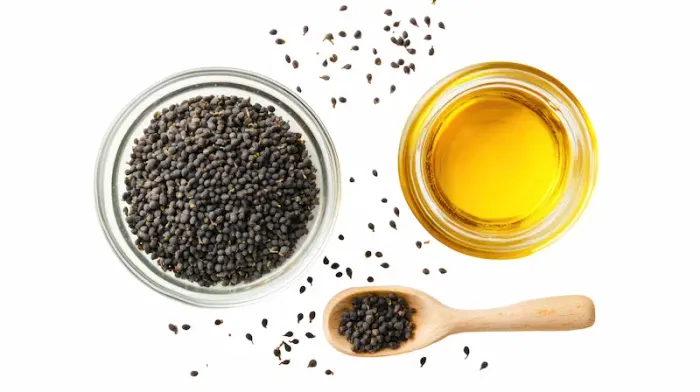
Kalonji seeds - also known as black seed or Nigella sativa - have been used for centuries in traditional healing systems. Today, more people are curious about Kalonji benefits as they explore natural remedies to support everyday health. While no single food or supplement is a cure-all, early research suggests these tiny, peppery seeds may offer several meaningful wellness perks when used safely and sensibly.
In this guide, you’ll learn what black seeds are, seven evidence-informed health benefits, how to use them, and important safety tips. You’ll also find answers to common questions and trustworthy resources if you want to dig deeper.
Consult Top Specialists Here
What Are Kalonji (Black) Seeds?
Kalonji seeds come from the Nigella sativa plant, part of the Ranunculaceae (buttercup) family. They’re small, black,
and slightly bitter with a warm, onion-like aroma. In kitchens across South Asia, the Middle East, and North Africa,
they’re sprinkled on breads, tossed into pickles, and used to flavour curries and vegetable dishes. The seeds and their oil
contain active compounds such as thymoquinone, which has been studied for antioxidant and anti-inflammatory
properties.
Kalonji is sometimes called black cumin or black caraway, but it’s a different plant from cumin (Cuminum cyminum),
caraway (Carum carvi), and black sesame (Sesamum indicum). It’s also not the same as “onion seeds.”
7 Evidence-Informed Kalonji Benefits
Here are the seven evidence based kalonji benefits:
1) May Support Heart-Health Markers
Some studies suggest that black seed (Nigella sativa) supplements may modestly improve certain cardiovascular risk
factors, including:
- Total and LDL (“bad”) cholesterol
- Triglycerides
- Blood pressure (particularly in people with elevated levels)
These changes tend to be small to moderate and most often occur alongside healthy diet and lifestyle. Supplements are
not a substitute for prescribed heart medicines, but black seeds may be a supportive add-on for some people under
medical guidance.
2) May Help Maintain Healthy Blood Sugar Levels
Research indicates that black seed powder or oil can modestly improve markers such as fasting blood glucose and A1C
in some adults, especially those with metabolic concerns. These effects are usually seen when black seed is combined
with diet, exercise, and standard care. If you take diabetes medications or insulin, consult your clinician first -
supplements that lower blood sugar can increase the risk of hypoglycaemia if not monitored.
3) Natural Antioxidant and Anti-Inflammatory Activity
Laboratory and early clinical studies show that compounds in kalonji, particularly thymoquinone, exhibit antioxidant
and anti-inflammatory effects. Antioxidants help counter oxidative stress, which is linked to many chronic conditions. While this is promising, human data are still developing, and the best “anti-inflammatory foundation” remains a healthy lifestyle: balanced diet, regular movement, quality sleep, and stress management.
4) Digestive Comfort and Culinary Support
Traditionally, black seeds have been used to support digestion. Modern evidence is limited, but many people find that
culinary amounts can:
- Add flavour without extra sodium
- Pair well with fibre-rich foods that support gut health
- Encourage mindful eating when used in homemade spice blends
If you have gastritis, reflux, or ulcers, start with very small amounts and see how you feel.
5) Immune and Respiratory Support
Early studies suggest black seed oil may help with seasonal allergy symptoms and general immune support, possibly
due to its anti-inflammatory and bronchodilatory properties. Evidence is preliminary, and results are not consistent
across all trials. Black seed should not replace prescribed treatments for asthma, allergies, or infections. Discuss any use
with your healthcare provider.
6) Skin and Hair Support
Black seed oil appears in many skin and hair products. Small studies and user reports suggest it may:
- Soothe dry or irritated skin when used in moisturisers
- Support acne-prone skin when used in non-comedogenic blends
- Add shine and reduce breakage in hair oils
If you have sensitive skin, patch test first. For eczema, psoriasis, or acne, consult a dermatologist - topical black seed oil
might be a helpful addition to a medically guided regimen, not a stand-alone treatment.
7) Potential Support for Weight and Waist Measurements
A number of small trials and meta-analyses have found that black seed supplements can lead to modest reductions in
body weight and waist circumference in some adults - especially when combined with calorie control and physical
activity. These changes are generally small, so think of black seeds as a supportive element within a comprehensive
lifestyle plan.
How to Use Black Seeds Safely and Smartly?
Kalonji fits naturally into food-first approaches many people prefer when exploring natural remedies.
Common forms:
- Whole seeds: Sprinkle on flatbreads, roasted vegetables, salads, soups, and yoghurt. Lightly toast to release aroma.
- Ground seeds: Add to spice blends and marinades. Grind just before use to limit bitterness and preserve aroma.
- Black seed oil: Use as a finishing oil in small amounts; avoid high-heat cooking.
Amounts used in research have varied widely. Studies have often used:
- Seed powder: roughly 1–3 grams per day
- Oil: roughly 500 mg to 2 grams per day, sometimes divided
Because products differ in potency and purity, ask your healthcare professional what’s right for you - especially if you
take medications or have a medical condition.
Tips for quality and storage:
- Choose third-party tested brands (USP, NSF, or ConsumerLab) when possible.
- Store seeds and oil in a cool, dark place. Keep oil tightly capped; look for a “harvest” or “pressed on” date.
- Start low and go slow to check tolerance.
Safety, Side Effects, and Who Should Avoid It
While many people tolerate culinary amounts of black seeds well, supplements can cause side effects and interact with
medications. Here are the possible side effects and potential interactions:
Possible side effects:
- Digestive upset (nausea, bloating, diarrhoea) at higher doses
- Headache or dizziness in sensitive individuals
- Skin irritation with topical oil (patch test first)
Potential interactions and cautions:
- Blood pressure medicines: Black seed may modestly lower blood pressure, potentially enhancing medication effects.
- Diabetes medicines/insulin: May lower blood sugar; monitor closely with your clinician.
- Blood thinners/antiplatelets and upcoming surgery: Black seed may affect clotting. Stop supplements at least two weeks
before surgery and discuss with your surgeon. - Pregnancy and breastfeeding: Safety is not well established. Avoid medicinal doses; culinary amounts are generally
considered acceptable in cooking. If you are pregnant or nursing, consult your clinician before use. - Allergies: Avoid if you’re allergic to Nigella sativa or related plants.
General advice:
- Supplements are not regulated to the same standard as prescription drugs. Work with your healthcare provider to decide
if black seed fits your personal plan. - If you experience side effects, stop and seek medical advice.
Practical Ways to Add Kalonji to Your Day
Here are some practical ways to add kalonji to your diet:
- Sprinkle 1/4–1/2 teaspoon of whole seeds on naan, pita, or sourdough before baking.
- Toast seeds briefly in a dry pan; toss over roasted carrots, cauliflower, or potatoes.
- Stir a pinch into plain yoghurt with cucumber and herbs for a quick raita.
- Blend with sesame and cumin to make a nutty spice mix for dips or hummus.
- Use a few drops of black seed oil to finish lentil soup or grain bowls.
Conclusion
Kalonji benefits are best thought of as supportive, not miraculous. Black seeds can add flavour to meals and may provide modest improvements in heart-health markers, blood sugar, and inflammation for some people. If you’re curious about using black seed oil or supplements as part of your natural remedies toolkit, prioritise product quality and safety, and work with your healthcare provider to tailor the approach to your needs.
Consult Top Specialists Here
Consult Top Specialists Here

Ms. Malabika Datta
Dietician
17 Years • Msc. in Dietetics & Food Service Management
Kolkata
Dr Utsa Basu Clinic, Kolkata

(25+ Patients)

Ms. Samapti Maity
Dietician
16 Years • MSc. (Clinical Nutrition & Dietitics), NDEP, Course in Maternal Infant Young Child Nutrition.Diploma in Sports Nutrition, Diploma in Diabetic educator, FODMAP Specialist
Kolkata
BIENETRE CLINIC, Kolkata

Ms. Soma Saha
clinical nutrition
17 Years • B.Sc. - Home Science (Food & Nutrition), M.Sc. - Home Science (Food & Nutrition)
Kolkata
Dr Utsa Basu Clinic, Kolkata
(50+ Patients)

Dr Venkata Naga Sai Tribhushan Rambhatla
General Physician
3 Years • MBBS
Bengaluru
PRESTIGE SHANTHINIKETAN - SOCIETY CLINIC, Bengaluru

Ms. Sushma Jaiswal
Dietician
42 Years • M.Sc.(Food & Nutrition)
Bengaluru
Swasthya Nutrition, Bengaluru
Consult Top Specialists Here
Ms. Malabika Datta
Dietician
17 Years • Msc. in Dietetics & Food Service Management
Kolkata
Dr Utsa Basu Clinic, Kolkata
(25+ Patients)
Ms. Samapti Maity
Dietician
16 Years • MSc. (Clinical Nutrition & Dietitics), NDEP, Course in Maternal Infant Young Child Nutrition.Diploma in Sports Nutrition, Diploma in Diabetic educator, FODMAP Specialist
Kolkata
BIENETRE CLINIC, Kolkata
Ms. Soma Saha
clinical nutrition
17 Years • B.Sc. - Home Science (Food & Nutrition), M.Sc. - Home Science (Food & Nutrition)
Kolkata
Dr Utsa Basu Clinic, Kolkata
(50+ Patients)
Dr Venkata Naga Sai Tribhushan Rambhatla
General Physician
3 Years • MBBS
Bengaluru
PRESTIGE SHANTHINIKETAN - SOCIETY CLINIC, Bengaluru
Ms. Sushma Jaiswal
Dietician
42 Years • M.Sc.(Food & Nutrition)
Bengaluru
Swasthya Nutrition, Bengaluru
More articles from General Medical Consultation





Frequently Asked Questions
Q1: Are black seeds the same as black sesame or onion seeds?
No. Kalonji comes from Nigella sativa and is different from black sesame and onion seeds. It’s also distinct from cumin and caraway.
Q2: Can I take kalonji every day?
Culinary amounts (as a spice) are generally fine for most people. For supplement doses (seed powder or oil), talk to your healthcare provider - especially if you take medicines for blood pressure, blood sugar, or clotting.
Q3: How long does it take to see benefits?
In studies, changes in markers like cholesterol, blood pressure, or blood sugar are usually assessed over 8–12 weeks. Individual responses vary based on dose, product quality, and lifestyle factors.
Q4: Which is better - black seed oil or whole seeds?
Both are used. Oil is more concentrated and convenient, while whole seeds add flavour and fibre. Your choice depends on your goals, tolerance, and guidance from your clinician.
Q5: Does black seed cure diseases?
No. Black seeds may modestly support certain health markers, but they do not cure diseases. Use them as part of a healthy lifestyle and any treatment plan recommended by your healthcare provider.