


Antioxidants: What They Are & Why They Matter
Antioxidants explained: what they are, how they work, top food sources, supplement safety, and easy tips to get more—based on trusted medical sources.

Written by Dr. Dhankecha Mayank Dineshbhai
Reviewed by Dr. Rohinipriyanka Pondugula MBBS
Last updated on 17th Feb, 2026
Introduction
If you have ever heard that berries, tea, or dark chocolate are “good for you,” antioxidants are one of the main reasons behind their reputation. These powerful substances help the body handle everyday cellular wear and tear, supporting long-term wellbeing in subtle yet meaningful ways. Understanding how they work makes it easier to choose foods that genuinely nourish your body. This guide offers antioxidants explained in clear, practical language so you can make confident choices at the supermarket and at home.
Antioxidants come from both food and the body’s own internal systems. They help reduce the impact of oxidative stress, a natural process that occurs when unstable molecules called free radicals build up. A diet rich in antioxidant-containing foods is linked with better overall health, and learning how to include them daily can be both simple and enjoyable. This guide covers what antioxidants are, how they work, their food sources, safety considerations, and everyday strategies to increase your intake.
Consult a Top Nutritionist for Personalised Advice
Antioxidants Explained: The Basics
Antioxidants are compounds that help neutralise free radicals, which are generated during routine processes such as
metabolism and immune activity. Free radicals also increase with factors like pollution, cigarette smoke, and excessive
sun exposure. When free radicals accumulate beyond what the body can manage, oxidative stress may lead to gradual
cell damage. Although this process is natural, nutrition plays a significant role in supporting the body’s defence systems.
Common antioxidants include:
- Vitamins: vitamin C and vitamin E
- Carotenoids: beta-carotene, lutein, lycopene
- Minerals and enzymes: selenium and antioxidant enzymes produced by the body
- Plant compounds (polyphenols): flavonoids found in tea, cocoa, berries, herbs, and many other plants
Your body produces its own antioxidant enzymes to provide constant defence, but a diet rich in colourful plant foods
enhances this protection.
How Antioxidants Work in Your Body?
Free radicals are unstable and seek electrons from other molecules to stabilise themselves. In doing so, they may disrupt
cell membranes, proteins, or even DNA. Antioxidants step in by donating an electron without becoming unstable
themselves. This simple exchange helps protect cells from cumulative damage.
Some antioxidants work in partnership. For example, vitamin C can help restore vitamin E to its active state, creating a
more efficient antioxidant network. Rather than relying on a single nutrient, the body benefits most from a wide variety
of antioxidants working together, which is why dietary diversity is so important. Different foods supply different
protective compounds, and no single ingredient or supplement can replace the synergy found in whole foods.
What Science Supports and What It Does Not?
- Diets high in vegetables, fruits, whole grains, legumes, nuts, and seeds are consistently associated with better long-term
health. - Food-based antioxidants appear to offer more reliable benefits compared with high-dose supplements.
- Large studies have not shown strong evidence that antioxidant supplements prevent heart disease or cancer in the
general population. - Some antioxidant supplements, such as beta-carotene taken at high doses, have been linked with increased lung cancer
risk in people who smoke. - A food-first approach is recommended unless a healthcare professional advises supplementation for specific medical
reasons.
The overall message is that antioxidants seem most effective when they come from natural food sources, where they
work alongside fibre, phytonutrients, vitamins, and minerals.
Antioxidant Food Sources You Can Eat
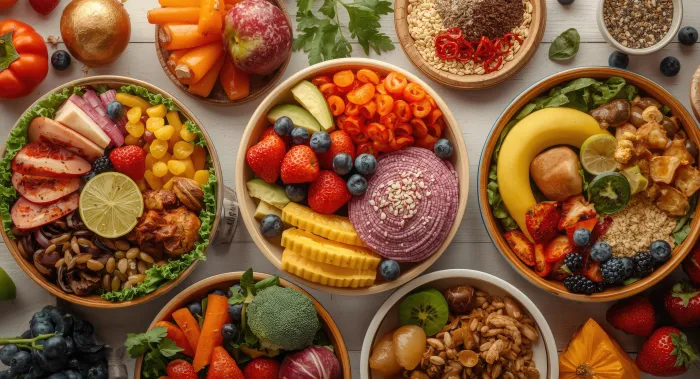
Eating a variety of plant foods is the most effective way to get a full spectrum of antioxidants. Colour often signals
specific beneficial compounds, making visually diverse meals an easy strategy for improving your intake.
Fruits
- Berries
- Citrus fruits
- Apples and grapes
- Cherries, pomegranates, and mango
- Kiwi and other vitamin C-rich fruits
Vegetables
- Leafy greens such as spinach and kale
- Broccoli and Brussels sprouts
- Carrots and sweet potatoes
- Bell peppers and tomatoes
- Beets and other deep-coloured vegetables
Legumes and Whole Grains
- Lentils and beans
- Chickpeas
- Oats and quinoa
- Brown rice and other whole grains
Nuts and Seeds
- Almonds and walnuts
- Hazelnuts
- Sunflower seeds and pumpkin seeds
Herbs, Spices, and Beverages
- Turmeric, ginger, cinnamon, oregano, rosemary
- Green and black tea
- Coffee
- Cocoa with minimal added sugar
- Herbal teas made from plants naturally rich in polyphenols
Healthy Fats and Oils
- Extra-virgin olive oil
- Avocado
- Dark chocolate with higher cocoa content
Choosing foods with bold reds, oranges, purples, and greens is an easy way to increase your antioxidant intake without
complicated planning.
Should You Take Antioxidant Supplements?
A food-first approach is generally recommended. Supplements may provide benefits in certain situations, but they are
not a universal shortcut to better health.
Who Might Need Supplements?
- People with diagnosed vitamin deficiencies
- Those with medical conditions affecting nutrient absorption
- Individuals advised by clinicians for targeted reasons
What About the General Population?
- Routine antioxidant supplementation is not recommended for disease prevention.
- Supplements do not replace the benefits of whole foods.
- Some supplements carry risks when taken at high doses.
Safety Concerns to Know
- Beta-carotene supplements may increase lung cancer risk in people who smoke.
- High-dose vitamin E may increase bleeding risk.
- Large doses of certain vitamins can interfere with medications.
Always speak with a healthcare professional before starting any high-dose supplement, especially if you are pregnant,
breastfeeding, or taking prescription medication.
Everyday Tips to Get More Antioxidants from Your Diet
Small daily choices play a major role in supporting your antioxidant intake. Rather than making dramatic changes,
focusing on consistent habits is often more effective.
Practical Ways to Increase Intake
Practical ways include:
- Aim for several servings of vegetables and fruit each day.
- Include at least two colours of produce in most meals.
- Choose whole grains over refined grains.
- Add beans or lentils to soups, salads, or pasta dishes.
- Enjoy snacks such as berries with yoghurt or nuts with fruit.
- Drink tea or coffee in moderation to increase plant-derived antioxidants.
- Use herbs and spices to add flavour and beneficial compounds.
- Steam or lightly sauté vegetables instead of boiling for long periods.
- Use frozen fruits and vegetables when fresh options are unavailable.
These strategies help make antioxidant-rich eating easier, budget-friendly, and realistic for everyday life.
Safety, Interactions, and Who Should Be Careful
Safety, interactions and caution for antioxidants include:
- People taking blood-thinning medication should avoid high-dose vitamin E supplements because of increased bleeding
risk. - Individuals who smoke should avoid beta-carotene supplements.
- Anyone preparing for surgery should discuss supplement use with their clinician.
- People undergoing cancer treatment should avoid antioxidant supplements unless specifically cleared by their oncology
team. - Pregnant and breastfeeding individuals should only take supplements recommended by their healthcare provider.
Key Takeaways
- Antioxidants help protect cells from oxidative stress.
- A diet rich in colourful plant foods supports overall health.
- Whole foods offer complex nutrient combinations that supplements cannot replicate.
- High-dose supplements can pose risks and should be taken only when medically advised.
- Variety is key: include fruits, vegetables, herbs, spices, nuts, seeds, legumes, and whole grains.
Consult a Top Nutritionist for Personalised Advice
Consult a Top Nutritionist for Personalised Advice

Dr. Ramalinga Reddy
General Physician
5 Years • MBBS MD General medicine
Bengaluru
PRESTIGE SHANTHINIKETAN - SOCIETY CLINIC, Bengaluru

Mrs Sneha P V
Nutritionist
10 Years • Master of science in Food and Nutrition
Bengaluru
Apollo Clinic, Sarjapur Road, Bengaluru
Dt. Ila Sharma
Clinical Nutritionist
18 Years • Master in food & Nutrition
Gurugram
VIPUL GREENS - SOCIETY CLINIC, Gurugram

Ms. Bhavana Shetty
Dietician
7 Years • DDHN & Masters in Clinical Nutrition & Dietetics
Bangalore
Apollo Sugar Clinic, Seetha circle bangalore, Bangalore

Dt. Prabhavathy
Clinical Nutritionist
8 Years • Msc Human Nutrition & Nutraceuticals
Madurai
Apollo Sugar Clinics, Madurai, Madurai
Consult a Top Nutritionist for Personalised Advice
Dr. Ramalinga Reddy
General Physician
5 Years • MBBS MD General medicine
Bengaluru
PRESTIGE SHANTHINIKETAN - SOCIETY CLINIC, Bengaluru
Mrs Sneha P V
Nutritionist
10 Years • Master of science in Food and Nutrition
Bengaluru
Apollo Clinic, Sarjapur Road, Bengaluru
Dt. Ila Sharma
Clinical Nutritionist
18 Years • Master in food & Nutrition
Gurugram
VIPUL GREENS - SOCIETY CLINIC, Gurugram
Ms. Bhavana Shetty
Dietician
7 Years • DDHN & Masters in Clinical Nutrition & Dietetics
Bangalore
Apollo Sugar Clinic, Seetha circle bangalore, Bangalore
Dt. Prabhavathy
Clinical Nutritionist
8 Years • Msc Human Nutrition & Nutraceuticals
Madurai
Apollo Sugar Clinics, Madurai, Madurai
More articles from General Medical Consultation





Frequently Asked Questions
1) What are antioxidants in simple terms?
Antioxidants are substances that help protect your cells from free radicals, which can cause damage when they build up in the body. They are found in many fruits, vegetables, nuts, seeds, and whole grains, and the body makes some naturally. Eating a variety of plant foods helps ensure you get enough.
2) Can I just take an antioxidant supplement instead of changing my diet?
Supplements cannot replace the wide range of nutrients found in whole foods, and large studies have not shown benefits for disease prevention. Some supplements may even pose risks when taken in high doses. A balanced diet is the safest and most effective approach for most people.
3) Do cooking and storage destroy antioxidants?
Some antioxidants are sensitive to heat, while others become more available after cooking. Light steaming or microwaving helps preserve fragile vitamins, and frozen produce is a nutritious alternative to fresh. A mix of raw and cooked foods helps you get the best of both worlds.
4) Are coffee and tea good sources of antioxidants?
Coffee and tea are rich in polyphenols, which act as antioxidants in the body. Drinking them in moderation can contribute to your total intake. Just be mindful of added sugar or cream, which can reduce their overall health benefits.
5) How can I be sure I’m getting enough antioxidants every day?
The simplest approach is to eat a wide variety of colourful plant foods. You do not need to track specific amounts or nutrients. If you have dietary restrictions or medical conditions, a clinician or dietitian can help you tailor your intake.