


Avocado Oil vs Olive Oil: Health Benefits Compared Scientifically
Wondering which oil is better? We compare avocado vs olive oil, benefits, cooking uses, and heart health facts to help you choose healthy oils.

Written by Dr. Mohammed Kamran
Reviewed by Dr. Dhankecha Mayank Dineshbhai MBBS
Last updated on 13th Jan, 2026
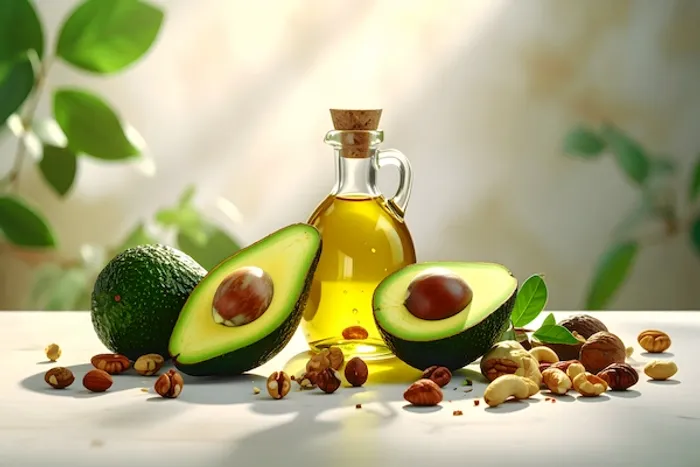
Introduction
Choosing the right cooking oil can make a meaningful difference to your heart health. Both avocado oil and olive oil are considered healthy oils, but how do they truly compare? In this guide, we look at avocado vs olive oil through a scientific lens so you can confidently stock your kitchen and cook with better health in mind.
Health organizations consistently recommend replacing saturated and trans fats with unsaturated fats to support heart health. That’s where oils like avocado and olive oil shine. Below, you’ll find what sets them apart, where they overlap, and practical tips to use each one well.
Healthy oils 101: What makes an oil “healthy”?
- Unsaturated fats: Oils rich in monounsaturated and polyunsaturated fats support heart health when they replace saturated fats in your diet.
- Low saturated fat: Reducing saturated fat intake and choosing unsaturated options can help improve cholesterol levels.
- Minimal trans fats: Avoiding industrial trans fats is recommended by global health authorities.
Avocado oil and olive oil both fit this profile. They’re primarily monounsaturated, low in saturated fat, and free of cholesterol (all plant oils are cholesterol-free).
Avocado vs olive oil at a glance
Fat profile: Both are high in monounsaturated fat (especially oleic acid), a heart-friendly fat.
Antioxidants and bioactive compounds:
- Olive oil (especially extra-virgin) naturally contains polyphenols and vitamin E.
- Avocado oil contains vitamin E and other plant compounds like lutein.
Evidence base:
- Olive oil (particularly extra-virgin olive oil, or EVOO) has a robust body of research supporting heart and metabolic benefits, especially as part of a Mediterranean-style eating pattern.
- Avocado oil has a growing but smaller research base; its benefits are consistent with its healthy fat profile.
Flavor and cooking:
- Avocado oil tends to be mild and neutral; good for a wide range of cooking methods.
- Olive oil has a more distinctive flavor (fruity, peppery) that elevates dressings, dips, and Mediterranean-style dishes.
Consult a Top General Physician
Nutritional profiles: What you should know?
Both oils share core strengths:
- Rich in monounsaturated fat (heart-friendly)
- Naturally cholesterol-free
- Provide vitamin E (an antioxidant)
- Versatile in the kitchen
Where they differ?
- Olive oil (extra-virgin) includes polyphenols that contribute to its flavor and stability during cooking and are thought to support anti-inflammatory effects.
- Avocado oil contains lutein, a carotenoid associated with eye health, and it’s typically milder in taste, which many people prefer for baking or stir-fries.
Note: Nutrient levels (like antioxidants) can vary widely by brand, harvest, processing, and storage. Extra-virgin varieties generally retain more beneficial compounds than highly refined versions.
Heart health: What does science say?
- Replacing saturated fat with unsaturated fat: Health authorities recommend this shift to support healthy cholesterol levels and cardiovascular health. Both avocado and olive oils help you do that.
- Olive oil and the Mediterranean diet: Extra-virgin olive oil is a key part of the Mediterranean dietary pattern, which has been linked with reduced risk of heart disease and other chronic conditions in large, well-conducted studies.
- Avocado oil: While there are fewer large human trials specifically on avocado oil, its monounsaturated fat profile and antioxidant content make it a reasonable choice as part of a heart-healthy eating pattern.
Bottom line on heart health:
- If you want the oil with the strongest clinical evidence base, extra-virgin olive oil stands out.
- Avocado oil is also a smart choice for everyday cooking and can support a heart-healthy diet, especially when replacing butter, lard, or other high-saturated-fat fats.
Cooking performance and taste: Stability, smoke, and savor
- Heat stability: Despite common myths, extra-virgin olive oil holds up well to typical home-cooking temperatures thanks to its antioxidants. Avocado oil is also stable for sautéing and roasting.
- High-heat cooking: For very high heat (like searing or wok cooking), refined versions of both oils generally have higher smoke points than extra-virgin varieties.
Flavor:
- Olive oil: Distinctive flavor ranges from buttery to peppery. Ideal for salad dressings, drizzling on cooked vegetables, dipping bread, and Mediterranean dishes.
- Avocado oil: Neutral, clean taste. Great when you don’t want oil to influence flavor—baking, stir-frying, or marinades.
Tip: Choose the oil that fits your recipe’s flavor profile and cooking temperature.
How to choose high-quality healthy oils?
Read the label:
- Olive oil: “Extra-virgin” indicates minimal processing and higher natural antioxidant content. Look for harvest date and origin when possible.
- Avocado oil: “Extra-virgin” or “cold-pressed” indicates minimal processing; refined versions are milder and suited to higher heat.
- Packaging: Dark glass or tins help protect oil from light. Avoid clear plastic bottles when possible.
- Storage: Keep oil tightly capped in a cool, dark place. Use within a few months of opening for best flavor and quality.
- Taste test: Fresh extra-virgin olive oil typically tastes vibrant and may have a slight peppery finish. Stale oil can taste flat or waxy—time to replace.
Practical guidance: Who might choose which?
- You want the most-studied option for heart health: Choose extra-virgin olive oil for daily use, especially in dressings, drizzling, and low-to-moderate heat cooking.
- You prefer neutral flavor or higher-heat cooking: Choose avocado oil (especially refined) for stir-fries, roasting, or baking when you don’t want a pronounced flavor.
- You love Mediterranean flavors: Olive oil’s taste elevates tomatoes, greens, legumes, whole grains, fish, and herbs.
- You rotate oils: Using both can keep your meals interesting and help you tailor oil choice to the dish and temperature.
Portions, calories, and overall diet
- Oils are calorie-dense. A little goes a long way—use measuring spoons or a controlled pour to avoid overdoing it.
- Focus on food patterns: The biggest health wins come from your overall diet. Emphasize vegetables, fruits, whole grains, legumes, nuts, seeds, and fish, while limiting saturated fat and highly processed foods.
- Replace, don’t just add: The benefits of healthy oils are clearest when they replace saturated fats (like butter) rather than being simply added on top of your usual intake.
Everyday ways to use avocado and olive oil
Olive oil ideas:
- Whisk into vinaigrettes with lemon, vinegar, or yogurt
- Drizzle on roasted vegetables, soups, or whole grains
- Use for sautéing leafy greens, tomatoes, onions, and fish
Avocado oil ideas:
- Stir-fry lean proteins and veggies
- Roast potatoes or root vegetables
- Use in marinades or baking for a neutral flavor
Avocado vs olive oil: The simple bottom line
- Both are healthy oils and excellent choices to keep in your kitchen.
- If you want the most evidence-backed option for heart health, choose extra-virgin olive oil as your daily staple.
- If you need a neutral, versatile oil (especially for higher-heat cooking), keep avocado oil on hand.
- Using both strategically lets you maximize flavor, versatility, and nutrition.
Consult a Top General Physician
Consult a Top General Physician

Dr. Zulkarnain
General Physician/ Internal Medicine Specialist
8 Years • MBBS, Fellowship in Family Medicine
Bengaluru
Apollo Clinic, Indiranagar, Bengaluru

(25+ Patients)

Dr. Anand Ravi
General Physician
2 Years • MBBS, FEM
Bengaluru
PRESTIGE SHANTHINIKETAN - SOCIETY CLINIC, Bengaluru

Dr. Swarna Deepak K
General Physician/ Internal Medicine Specialist
20 Years • MBBS: MD (Internal Medicine) MRCP (UK), EDIC (European Diploma in Critical Care), IDCCM, IFCCM (Critical Care), FID (Royal Liverpool Academy)
Hyderabad
Apollo Hospitals Jubilee Hills, Hyderabad
(450+ Patients)

Dr. Dhanraj K
General Physician/ Internal Medicine Specialist
25 Years • MBBS, MD Internal Medicine - Osmania Medical College, Hyderabad
Hyderabad
Apollo Hospitals Jubilee Hills, Hyderabad
(450+ Patients)

Dr. Harshendra Jaiswal
General Physician/ Internal Medicine Specialist
12 Years • MBBS , MD (General medicine)
Kolkata
108 DHANA DHANVANTARI Clinic, Kolkata
(25+ Patients)
Consult a Top General Physician
Dr. Zulkarnain
General Physician/ Internal Medicine Specialist
8 Years • MBBS, Fellowship in Family Medicine
Bengaluru
Apollo Clinic, Indiranagar, Bengaluru
(25+ Patients)
Dr. Anand Ravi
General Physician
2 Years • MBBS, FEM
Bengaluru
PRESTIGE SHANTHINIKETAN - SOCIETY CLINIC, Bengaluru
Dr. Swarna Deepak K
General Physician/ Internal Medicine Specialist
20 Years • MBBS: MD (Internal Medicine) MRCP (UK), EDIC (European Diploma in Critical Care), IDCCM, IFCCM (Critical Care), FID (Royal Liverpool Academy)
Hyderabad
Apollo Hospitals Jubilee Hills, Hyderabad
(450+ Patients)
Dr. Dhanraj K
General Physician/ Internal Medicine Specialist
25 Years • MBBS, MD Internal Medicine - Osmania Medical College, Hyderabad
Hyderabad
Apollo Hospitals Jubilee Hills, Hyderabad
(450+ Patients)
Dr. Harshendra Jaiswal
General Physician/ Internal Medicine Specialist
12 Years • MBBS , MD (General medicine)
Kolkata
108 DHANA DHANVANTARI Clinic, Kolkata
(25+ Patients)
More articles from General Medical Consultation




Frequently Asked Questions
Which is healthier, avocado oil or olive oil?
Both are healthy oils rich in monounsaturated fat. Extra-virgin olive oil has the strongest scientific evidence for heart benefits, especially as part of a Mediterranean-style diet. Avocado oil is also a heart-smart choice, particularly when replacing saturated fats.
Is extra-virgin olive oil safe for frying or roasting?
Yes. Despite myths, extra-virgin olive oil is stable for common home-cooking methods like sautéing and roasting. For very high heat (like searing), refined oils (olive or avocado) are often preferred.
Does avocado oil have cholesterol?
No. Like all plant oils, avocado oil and olive oil contain zero cholesterol.
Which oil is better for weight loss?
No oil directly causes weight loss. Both are calorie-dense, so portion control matters. Using these oils to replace saturated fats, within a balanced diet rich in whole foods, can support heart health and healthy weight management.
Are “extra-virgin” and “cold-pressed” always better?
For flavor and antioxidants, extra-virgin or cold-pressed oils are generally preferred for dressings and low-to-moderate heat cooking. Refined oils can be better for high-heat methods because of their neutral taste and higher smoke points.