



Barley Benefits in Ayurveda: Uses, Nutrition & Effects
Barley Ayurveda guide: science-backed benefits, Barley nutrition, Kidney health tips, uses, safety, and simple ways to add barley to everyday meals.

Written by Dr. Mohammed Kamran
Reviewed by Dr. Rohinipriyanka Pondugula MBBS
Last updated on 18th Feb, 2026
Introduction
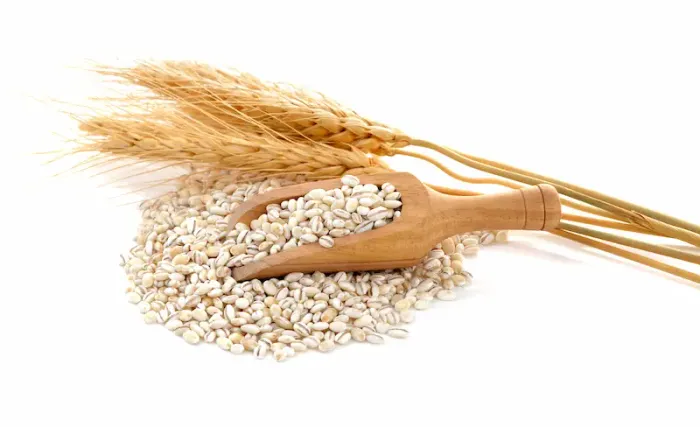
Barley has a long history in both everyday cooking and traditional health practices. In Ayurveda, barley, known as Yava, is described as a light, grounding grain that can support balance when used appropriately. Modern nutrition research, on the other hand, focuses on barley’s impressive fibre profile, its beneficial beta-glucan content, and its potential role in digestive, metabolic, and cardiovascular health. Bringing these perspectives together offers a richer understanding of how barley may fit into your diet today, especially if you’re curious about its relationship to kidney health. This guide blends Barley Ayurveda insights with evidence-aware information on Barley nutrition, practical uses, safety considerations, and its relevance to people who want to support their overall wellbeing.



What is Barley?
The basics include:
Forms and uses
- Barley is a cereal grain available as hulled barley, pearled barley, flour, flakes, or as a beverage such as barley water.
- Hulled barley is a whole grain that retains the bran and germ, making it richer in fibre and nutrients.
- Pearled barley is polished, cooks faster, and is softer in texture, though it contains less fibre.
- Barley is not gluten-free, making it unsuitable for anyone with coeliac disease or non-coeliac gluten sensitivity.
Barley Ayurveda: The Traditional View
Ayurveda describes barley as a grain that is light, drying, and supportive during times of heaviness or sluggish digestion.
In classical Ayurvedic cooking, barley appears in porridges, drinks, and simple meals designed to feel grounding
without being overly heavy. Barley water is often recommended traditionally for its refreshing qualities, especially in
warmer climates or seasons when hydration is important.
While these practices have been passed down through generations, it’s important to view them as complementary rather
than direct substitutes for modern medical advice. Traditional use can guide meal choices and lifestyle habits, but it
does not replace evidence-based treatment for kidney-related or other medical conditions.
Barley Nutrition at a Glance
Barley nutrition stands out because of its high fibre content, particularly soluble fibre known as beta-glucan, along with
vitamins, minerals, and beneficial plant compounds.
Key Nutritional Highlights
- Fibre: Barley contains both soluble and insoluble fibre, with beta-glucan contributing to cholesterol and blood sugar
support. - B vitamins: Barley offers vitamins such as niacin and thiamin, which play important roles in energy metabolism.
- Minerals: Magnesium and selenium contribute to metabolic function, antioxidant defences, and heart health.
- Phytochemicals: Polyphenols and other plant compounds in barley offer antioxidant properties.
- Whole vs refined: Hulled barley retains the full nutrient profile, whereas pearled barley has reduced fibre and mineral
content.
Science-Backed Health Benefits of Barley
Evidence-backed benefits include:
1) Heart Health and Cholesterol Support
- The soluble fibre beta-glucan in barley can help lower LDL (“bad”) cholesterol when included regularly in a balanced
diet. - Replacing refined grains with barley and other whole grains is linked with better heart health and reduced long-term
cardiovascular risk. - Barley’s antioxidants and magnesium may also support overall heart function.
2) Blood Sugar Control and Weight Management
- Barley’s fibre slows the absorption of sugars, helping reduce post-meal spikes and supporting steadier energy levels.
- The feeling of fullness from fibre can support appetite management.
- Diets that include whole grains like barley are generally associated with better metabolic wellbeing.
3) Digestive Health
- Insoluble fibre adds bulk to stool and supports regular bowel movements.
- A diet rich in fibre can help maintain a diverse gut microbiome, which contributes to digestive comfort and immune balance.
- Barley’s gentler, sustained energy release can be helpful for people wanting stable digestion.
4) Blood Pressure and Balanced Eating Patterns
- Whole grains can contribute to a diet that promotes healthy blood pressure when paired with fruits, vegetables,
legumes, nuts, and seeds. - Barley can be part of routines such as the Mediterranean or DASH-style diet, which are known for cardiovascular
benefits.
Barley and Kidney Health
The connection between barley and kidney health is:
Indirect Support for Kidney Health
Barley may support kidney health indirectly by helping maintain healthy blood pressure, cholesterol, and blood sugar,
three major aspects of long-term kidney wellbeing. However, barley itself is not a medical treatment for kidney disease
or stones.
Hydration Matters More Than Barley Water
Barley water is often discussed in traditional contexts when talking about kidney health. It can be hydrating and
refreshing, but current clinical evidence does not show that barley water alone treats kidney disease or dissolves kidney
stones. Staying hydrated with plain water remains the most established recommendation.
For Chronic Kidney Disease (CKD)
People with CKD may need to monitor potassium, phosphorus, and fluid intake. Barley contains these minerals, so:
- Portion size should be personalised.
- The type of barley matters, as hulled barley is higher in minerals than pearled.
- A renal dietitian’s guidance is essential before increasing barley intake.
For People Prone to Kidney Stones
Kidney stone prevention usually focuses on:
- Adequate hydration
- Adjusting sodium, animal protein, and calcium intake based on stone type
There is currently no strong evidence that barley or barley water prevents stones directly.
Practical Ways to Add Barley to Your Routine
Practical ways include:
Daily Meal Ideas
- Swap white rice with cooked hulled or pearled barley in pilafs, bowls, or stir-fries.
- Add barley to soups or stews for extra texture and fibre.
- Cook a warm barley porridge for breakfast, topped with fruit and nuts.
- Use barley in salads with chopped vegetables, herbs, and dressing.
- Mix barley flour into pancakes, muffins, or breads for added fibre.
How to Prepare Barley?
- Rinse: Wash 1 cup of barley under cool water.
- Cook: Combine with 3 cups of water or low-sodium broth. Bring to a boil, then simmer.
- Cooking times: Pearled barley cooks in about 25–30 minutes; hulled barley takes 45–60 minutes.
- Fluff: Drain excess liquid and fluff with a fork before serving.
About Barley Water
Understanding barley water
- Barley water is made by simmering barley in water and drinking the strained liquid, often with a squeeze of lemon.
- It can be part of your daily fluid intake and may feel soothing.
Evidence limitations
While barley water is popular in traditional settings, modern research has not shown it to treat kidney stones or kidney disease. It can be enjoyed for hydration and taste, but it should not replace medical guidance.
Safety, Allergies, and Who Should Be Cautious
Safety, allergy and caution messages include:
Gluten Considerations
- Barley contains gluten and must be avoided by people with coeliac disease or gluten sensitivity.
Chronic Kidney Disease
- Those with CKD should check with their renal dietitian regarding barley’s potassium and phosphorus content.
- Portion control is essential.
Blood Sugar Monitoring
- Higher-fibre meals can alter how quickly blood sugar rises after eating. If you use insulin or medications, monitor levels
and adjust as advised.
Dietary Restrictions and Interactions
- Barley does not typically interact with medications, but people with highly restricted diets should still seek guidance.
Barley Ayurveda and Modern Eating
Barley in Ayurvedic and modern eating ideas includes:
Ways to blend tradition and science
- Choose whole grains such as hulled barley more often for maximum nutritional value.
- Build balanced meals with vegetables, pulses, nuts, seeds, and lean proteins.
- Adjust portion sizes based on your health goals and dietary needs.
- Personalisation is essential, especially if you manage diabetes or kidney conditions.
Sample 1-day Barley-Friendly Menu
Breakfast
Warm barley porridge topped with berries, cinnamon, and a handful of walnuts.
Lunch
Barley and chickpea salad with cucumber, tomato, parsley, lemon juice, and olive oil.
Snack
Plain yoghurt with sliced fruit or a small handful of almonds.
Dinner
Grilled fish or tofu served with sautéed greens and a herbed barley pilaf.
Conclusion
Barley brings together the strengths of traditional Ayurvedic practices and modern nutritional science, offering a versatile grain with meaningful benefits for heart, metabolic, and digestive health. While its role in kidney care is often discussed, its support is best understood as indirect, working through overall diet quality rather than acting as a standalone remedy. Enjoying barley in soups, salads, or porridges can add valuable fibre and nutrients to your day while keeping meals satisfying and balanced. As with any dietary choice, personal health needs matter, so it’s important to tailor your intake based on your goals and medical guidance. With mindful use, barley can be a wholesome, reliable addition to a varied and nutritious eating pattern.
More articles from General Medical Consultation




Frequently Asked Questions
1) Is barley good for kidney health?
Barley can support kidney health indirectly through benefits to blood pressure, cholesterol, and metabolic control, as these are crucial for long-term kidney wellbeing. However, barley or barley water alone cannot treat kidney disease or kidney stones. People with chronic kidney disease should discuss suitable portions with a renal dietitian.
2) What is the difference between hulled and pearled barley?
Hulled barley is minimally processed and retains its bran and germ, making it richer in fibre and nutrients. Pearled barley is polished to remove the bran layer, cooks more quickly, and has a softer texture but contains less fibre. Both can be included in meals depending on your nutritional goals.
3) Does barley lower cholesterol?
Barley’s soluble fibre, particularly beta-glucan, can help reduce LDL cholesterol when eaten regularly as part of a balanced, heart-friendly diet. Its fibre slows digestion and supports healthier cholesterol profiles over time, especially when combined with other wholesome foods.
4) Is barley gluten-free?
Barley naturally contains gluten and therefore is not suitable for people with coeliac disease or gluten sensitivity. Those who cannot tolerate gluten should choose grains like quinoa, rice, buckwheat, or certified gluten-free oats instead.
5) How much barley should I eat?
There is no universal recommended amount, but many nutrition guidelines suggest making at least half your grains whole grains. If you tolerate barley and do not have kidney-related dietary restrictions, you can include it several times per week. Those with chronic kidney disease should seek individualised guidance about portion sizes.