



Benefits of Tea Tree Oil for Hair: A Complete Guide
Tea tree oil hair guide: evidence-based scalp treatment for dandruff relief. Learn benefits, how to use, safety tips, and when to see a doctor.

Written by Dr. J T Hema Pratima
Reviewed by Dr. Rohinipriyanka Pondugula MBBS
Last updated on 14th Jan, 2026
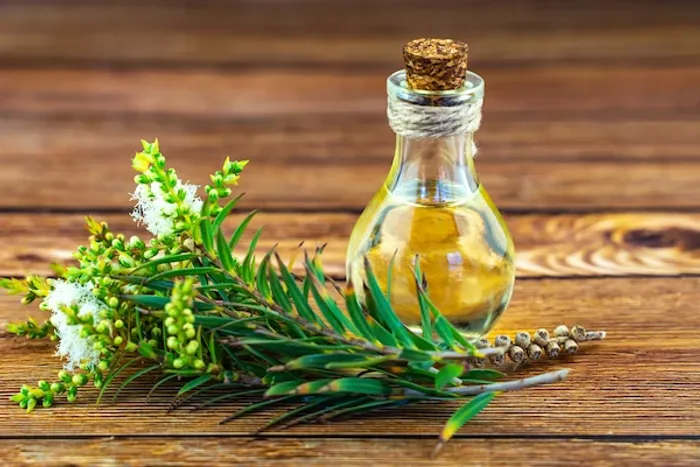
Introduction
If you’re curious about tea tree oil hair benefits, you’re not alone. Many people reach for this natural ingredient when flakes, itchiness, or scalp discomfort start to interfere with everyday life. It has a reputation for being powerful, refreshing, and effective in helping calm irritated scalps. However, the reality is more nuanced than the bold promises often found online. While tea tree oil can support a healthier scalp for some individuals—particularly in the context of dandruff and itch it is not a cure-all, and its safe use requires proper dilution, patch testing, and realistic expectations.
This guide explains what tea tree oil can and cannot do, summarises the available research, offers dermatologist-aligned safety recommendations, and provides practical routines you can try at home. You will also find clear instructions for dilution, detailed precautions, and signs that it’s time to see a professional.



What Is Tea Tree Oil?
Tea tree oil (Melaleuca alternifolia) is an essential oil extracted from the leaves of the Australian tea tree. It has been widely used in skincare for decades because of its antimicrobial, anti-inflammatory, and antioxidant properties. These characteristics explain why many shampoos and scalp products feature tea tree oil as a key ingredient. Although promising, essential oils are potent. This means you must use them correctly especially on delicate areas such as the scalp.
Tea Tree Oil Hair Benefits
Benefits of tea tree oil includes:
Dandruff and Itchy Scalp Relief
- Dandruff commonly involves an overgrowth of Malassezia yeast, which contributes to flakes, greasiness, and irritation.
- A well-designed randomised, placebo-controlled clinical trial demonstrated that a shampoo containing 5% tea tree oil used daily for four weeks significantly reduced dandruff severity, itchiness, and oiliness compared with placebo.
Many people notice a calmer, fresher scalp when switching to a tea tree oil shampoo used consistently over several weeks.
What this means:
- Tea tree oil can be a helpful component of a dandruff-management routine. It is not a guaranteed cure, but it may noticeably reduce irritation and flaking for many users.
Scalp Acne and Folliculitis
- Tea tree oil has antimicrobial activity that may help reduce bacteria and inflammation contributing to minor scalp breakouts.
- Evidence is stronger for facial acne than for scalp acne, but many people report that tea tree oil shampoos help reduce the frequency of small bumps along the hairline or parting.
What this means:
- It may assist with mild folliculitis or scalp acne. Persistent or painful bumps should always be evaluated by a healthcare professional to rule out infections requiring prescription treatment.
Head Lice Support
- Some laboratory and small clinical studies suggest tea tree oil affects head lice and their eggs, but robust, large-scale trials are lacking.
- Public health organisations emphasise approved over-the-counter and prescription treatments as first-line strategies.
What this means:
- Tea tree oil may be a supportive addition but should not replace proven head-lice treatments especially in children.
Odour and Oily Scalp Management
- By reducing microbial buildup, tea tree oil shampoos may help the scalp feel cleaner and fresher between washes.
- This is primarily a comfort benefit rather than a medical effect.
What this means:
- If your scalp feels greasy or develops odour easily, tea tree oil may provide short-term freshness. Persistent issues may indicate a condition such as seborrhoeic dermatitis.
What Tea Tree Oil Cannot Do?
Tea tree oil cannot do the following things:
Cannot Cure Dandruff
- Dandruff often behaves as a recurring, chronic condition with periods of flare-ups.
- Tea tree oil may help reduce flakes and itch, but it cannot eliminate dandruff permanently.
Not for Scalp Ringworm (Tinea Capitis)
- This fungal infection typically presents with circular patches of hair loss, redness, and tenderness.
- Oral antifungal medication is required in most cases.
No Proven Benefit To Regrow Hair
- Despite online claims, there is no strong evidence that tea tree oil directly stimulates hair growth.
- Pattern hair loss responds best to treatments such as topical minoxidil or prescription therapies depending on the cause.
Not a Replacement For Serious Scalp Conditions
- Conditions such as psoriasis, severe seborrhoeic dermatitis, or eczema often require tailored prescription care.
- Tea tree oil may soothe minor dryness but will not replace targeted therapies.
How To Use For Scalp Treatment?
Tips to use tea tree oil for scalp treatment is:
Choose The Right Product
- Look for Melaleuca alternifolia on ingredient labels.
- Start with rinse-off products (e.g., shampoo) if you are new to essential oils.
- If using pure essential oil, store it in a dark glass bottle, tightly sealed, away from heat and sunlight. Oxidised oil increases irritation risk.
Easy Ways To Use Tea Tree Oil
Easy ways to use tea tree oil:
Shampoo Method (Best For Sensitive Scalps)
- Use a ready-made tea tree oil shampoo containing around 5% tea tree oil.
- Massage into the scalp, leave on for 3–5 minutes, then rinse thoroughly.
- Start 2–3 times per week, increasing only if tolerated.
Add To Regular Shampoo
- Add 1–2 drops of tea tree oil to a teaspoon of shampoo before washing.
- Massage gently into the scalp, leave briefly, then rinse.
Diluted Scalp Oil (Short Contact Only)
- Dilute tea tree oil in a carrier oil (jojoba or coconut oil) to 1–2%.
- 1% dilution = 1 drop per 1/2 teaspoon carrier oil
- 2% dilution = 2 drops per 1/2 teaspoon carrier oil
- Apply to dry scalp, leave on 5–10 minutes, then shampoo thoroughly.
Patch Test First
- Apply diluted tea tree oil to a small area of inner forearm skin once daily for three days.
- Discontinue if redness, itching, or burning develops.
How Often To Use?
- Begin with 2–3 applications per week.
- Increase only if your scalp tolerates it well.
- Reduce or stop if irritation develops.
Safety Tips and Potential Side Effects
Safety tips and potential side effects include:
Common Side Effects
- Redness, itching, burning, or rash due to irritation or allergic reaction.
- Eye irritation if product runs into the eyes—rinse immediately with clean water.
Important Precautions
- Never apply undiluted tea tree oil directly to the scalp.
- Never ingest tea tree oil—it can cause serious toxicity.
- Avoid use on infants, young children, and pets unless guided by a clinician.
- Avoid old or oxidised oils.
- If you have eczema, dermatitis, or sensitive skin, start with rinse-out products only.
Stop and Seek Medical Attention If:
- You develop swelling, severe burning, or widespread rash.
- You experience difficulty breathing or severe irritation.
- Symptoms worsen despite proper uses
When To See a Healthcare Professional?
Seek professional advice when:
- Your dandruff is severe, persistent, or spreading to areas such as your eyebrows or beard.
- You notice circular patches of hair loss or tender, inflamed areas.
- Children have suspected head lice and OTC treatments have not worked.
- You have ongoing shedding or signs of scalp disease.
Practical Routine: A Simple Plan
Plan steps include:
Step 1: Choose a Mild Cleansing Routine
- Wash your hair 2–3 times weekly using a gentle shampoo.
- If using a tea tree oil shampoo, massage it into the scalp and let it sit for a few minutes before rinsing.
- Avoid overly harsh cleansers, as they can disrupt the scalp barrier and worsen irritation.
Step 2: Maintain a Clean, Low-Irritation Environment
- On non-wash days, keep your scalp dry and avoid the temptation to pile on styling products.
- Heavy gels, pomades, and waxes can trap oil and yeast, worsening itch and flakes.
- Keep brushes and pillowcases clean, especially if you are managing scalp breakouts.
Step 3: Use A Diluted Pre-Shampoo Treatment (Optional)
- Incorporate a diluted tea tree oil treatment once weekly if your scalp is dry or flaky.
- Leave on for 5–10 minutes before shampooing.
- Monitor your scalp’s tolerance and reduce frequency if irritation occurs.
Step 4: Rotate With A Medicated Dandruff Shampoo If Needed
If flaking persists, dermatologists often recommend rotating active ingredients such as:
- Pyrithione zinc
- Salicylic acid
- Ketoconazole
- Selenium sulphide
- Use each active according to label directions. Rotating can help target yeast, oiliness, and skin turnover more effectively.
Step 5: Reassess Your Routine After 4 to 6 Weeks
- Most people see improvements in itch and flakes within a month of consistent use.
- If symptoms worsen or do not improve, you may need a clinical assessment to rule out conditions such as seborrhoeic dermatitis, psoriasis, or fungal infections requiring prescription treatment.
Can Tea Tree Oil Be a Dandruff Cure?
It is understandable to hope for a simple, natural cure when dandruff becomes frustrating. However, dermatology research consistently shows that dandruff behaves like a chronic, relapsing condition, similar to eczema or acne. Many factors influence flares, including weather changes, stress levels, scalp oil production, and even diet.
Tea tree oil can be a useful part of a symptom-management plan because of its antifungal and anti-inflammatory qualities. For many people, combining a tea tree oil shampoo with a proven medicated shampoo and maintaining a gentle scalp-care routine offers the best, most balanced results. If symptoms persist despite these steps, a healthcare professional can identify less obvious causes, recommend prescription solutions, or tailor your scalp-care plan.
Key Takeaways
- Tea tree oil can help reduce dandruff symptoms, itchiness, and discomfort for some individuals, particularly when used in shampoo form.
- It is not a miracle cure and cannot treat all scalp conditions or stimulate new hair growth.
- Always use tea tree oil safely: dilute it properly, patch test, avoid ingestion, and keep products away from children, pets, and sensitive skin areas.
- For persistent symptoms or worsening flakes, professional guidance is essential to ensure correct diagnosis and treatment.
- A gentle, consistent, well-structured scalp-care routine provides the best long-term results.
More articles from General Medical Consultation


Frequently Asked Questions
Can tea tree oil cure dandruff?
No single product including tea tree oil can permanently cure dandruff. A 5% tea tree oil shampoo has been shown to reduce flakes and itching for many people, but results vary However, Consistency and a multi-step routine usually work best.
How do I safely dilute tea tree oil for my scalp?
Use a 1–2% dilution in a carrier oil. 1% dilution = 1 drop per 1/2 teaspoon (2.5 mL) carrier oil
.2% dilution = 2 drops per 1/2 teaspoon carrier oil apply for 5–10 minutes, then shampoo thoroughly. Alternatively, add 1–2 drops to a teaspoon of shampoo before washing.
Can I leave tea tree oil on my scalp overnight?
It is not advisable. Undiluted essential oils can cause burns or dermatitis and even diluted oils increase irritation risk when left on for long periods. Shorter contact times are considerably safer.
Is tea tree oil safe for colour-treated hair?
Most tea tree oil shampoos are compatible with colour-treated hair, but formulas vary.
Patch test first and consider using sulphate-free, colour-safe shampoos to minimise fading. Avoid applying concentrated oils directly to the lengths of the hair.
Will tea tree oil regrow my hair or stop shedding?
There is no strong scientific evidence that tea tree oil stimulates hair growth or addresses pattern hair loss. For concerns about shedding or thinning, ask a clinician about treatments like topical minoxidil or other evidence-based options.