



Coconut Milk Ayurvedic Benefits, Nutrition, and Side Effects
Explore coconut milk benefits, ayurvedic uses, nutrition, and side effects. Learn how this plant based milk fits a healthy diet and who should limit it.

Written by Dr. Md Yusuf Shareef
Reviewed by Dr. Dhankecha Mayank Dineshbhai MBBS
Last updated on 13th Jan, 2026
Introduction
Coconut milk has become a popular plant based milk for cooking, smoothies, and dairy-free diets. People often ask about coconut milk benefits, how it fits into a healthy eating pattern, and its ayurvedic uses. This guide explains what coconut milk is, its nutrition profile, potential advantages and side effects, and how to choose and use it wisely—using reliable, up-to-date health guidance.
What is coconut milk?
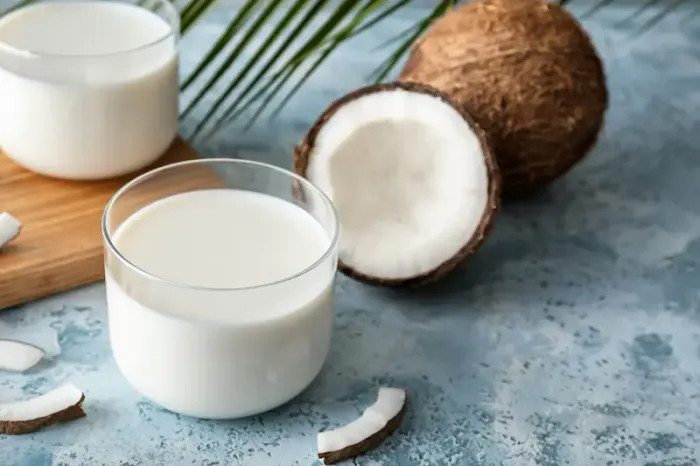
Coconut milk is made by blending the white flesh of mature coconuts with water and straining the mixture. It is different from:
• Coconut water: the clear fluid inside young coconuts (low in fat).
• Coconut oil: the fat extracted from coconut (100% fat).
Types you’ll see in stores
• Canned coconut milk (regular or “lite”): thick, creamy, and used mainly in cooking. Regular canned varieties are high in fat and calories.
• Carton or refrigerated coconut milk beverage: lighter, often fortified with calcium, vitamin D, and vitamin B12. Typically lower in calories and fat than canned versions, but also lower in protein.
Coconut milk nutrition at a glance
• Canned coconut milk (regular) is rich in fat, especially saturated fat, which makes it very creamy but calorie-dense. “Lite” canned versions have less fat.
• Coconut milk beverages in cartons are usually much lower in calories and fat, and many brands are fortified with calcium and vitamin D to support bone health. Protein content is usually low (often 0–1 gram per cup), so it’s not a protein substitute for dairy or soy milk.
• Saturated fat is the main type of fat in coconut products. Major health organizations recommend limiting saturated fat and replacing it with unsaturated fats (like those in nuts, seeds, avocado, olive oil, and fatty fish) to support heart health.
Saturated fat and heart health: what the evidence says?
• The World Health Organization advises limiting saturated fat to less than 10% of daily calories and replacing it with unsaturated fats to reduce the risk of heart disease.
• Harvard experts note that, overall, replacing saturated fat with polyunsaturated and monounsaturated fats is linked with improved cholesterol profiles and lower cardiovascular risk.
• Mayo Clinic provides similar guidance: choose unsaturated fats more often and keep saturated fat limited.
• What this means for coconut milk: Enjoy it in moderation—especially the canned variety—and make unsaturated fats your daily staples.
Evidence-based coconut milk benefits
• Coconut milk can fit into a healthy diet when chosen and used thoughtfully. Potential benefits include:
Dairy-free and vegan-friendly
• Naturally lactose-free and suitable for people with lactose intolerance or those following vegan or dairy-free diets.
Fortified nutrients (carton varieties)
• Many coconut milk beverages are fortified with calcium and vitamin D (and sometimes vitamin B12), helping people who avoid dairy meet these nutrient needs. Check labels because fortification varies by brand.
Culinary versatility and satisfaction
• The creamy texture enhances soups, curries, sauces, and smoothies, which can make vegetables, legumes, and whole grains more enjoyable.
• The richness can increase satiety; small amounts go a long way in recipes.
Option within plant-based milk choices
• If you prefer the flavor or need a lower-calorie beverage (unsweetened carton versions), coconut milk can be one of several plant-based milk options to rotate through based on taste and nutrition needs.
Ayurvedic uses and perspective
In Ayurveda, coconut and coconut milk are traditionally viewed as:
• Cooling and soothing
• Often considered helpful for balancing excess heat (pitta) and used in calming, nourishing dishes.
• Grounding and nourishing
• Used in traditional recipes like kheer, curries, and chutneys to promote comfort and satiety.
Important note: Ayurvedic uses reflect traditional perspectives on food and wellness. While many people enjoy coconut milk for taste and comfort, specific therapeutic claims from Ayurveda have not been validated by modern clinical trials. Use these traditions as culinary guidance, and rely on current medical nutrition advice for managing health conditions.
Potential side effects and who should be cautious?
• High in saturated fat (especially canned)
• Regular canned coconut milk is high in saturated fat. Diets lower in saturated fat and higher in unsaturated fats are associated with better heart health. If you have high LDL cholesterol or cardiovascular risk, favor unsaturated fats and use coconut milk sparingly. Carton versions are generally lighter, but still check the label.
Added sugar in flavored beverages
• Some coconut milk beverages (vanilla, chocolate) contain added sugars. Choose unsweetened options to reduce added sugar intake.
Allergies
Coconut allergy is possible, though it’s less common than many tree nut allergies. In the U.S., coconut is classified as a tree nut for labeling purposes. If you have nut allergies, discuss coconut with your allergist before trying it.
Infants and young children
For children under 12 months, plant-based milk (including coconut milk) is not a substitute for breast milk or infant formula. After 12 months, fortified soy milk is the preferred plant-based alternative because it contains more protein; other plant milks (including coconut) may not provide enough protein or key nutrients for toddlers. Ask your pediatrician what’s best for your child.
Low protein content
Coconut milk beverages have very little protein. If you switch from cow’s milk, plan other protein sources (e.g., soy milk, legumes, tofu, eggs, fish, poultry, or nuts, as appropriate).
How to choose coconut milk wisely?
For everyday drinking:
• Pick an unsweetened carton coconut milk beverage.
• Look for fortification: aim for calcium (~20–30% Daily Value) and vitamin D per serving; vitamin B12 can be helpful for vegans.
• Check the protein content; consider adding protein from other foods or choosing a higher-protein plant milk (soy or pea) if needed.
For cooking:
• Use canned coconut milk for curries, soups, and sauces when you want richness. Choose “lite” canned versions more often to reduce saturated fat and calories.
• Use modest amounts; the flavor is strong, so a little can be enough.
Read labels:
• Added sugars: choose “unsweetened.”
• Saturated fat: canned versions will be high; beverages are usually much lower.
• Fortification: calcium, vitamin D, and B12 vary by brand.
Storage and safety:
Refrigerate after opening. Use canned coconut milk within a few days. Stir or shake before using, as separation is normal.
Consult a Top Ayurveda Specialist for Personalised Advice
Coconut milk vs other plant-based milk alternatives
Protein
• Coconut milk beverage: usually 0–1 g per cup.
• Soy or pea milk: closer to cow’s milk for protein (often ~7–8 g per cup), making them better replacements when protein matters.
Calories and fat
• Canned coconut milk: high-calorie and saturated fat.
• Carton coconut milk: typically lower calorie; fat varies by brand and is often lower than canned.
Fortification
• Many plant-based milks, including coconut beverages, are fortified with calcium and vitamin D. Check labels because amounts vary.
Best fit
• For creaminess and flavor in cooking: canned coconut milk (in moderation).
• For daily drinking with more protein, fortified soy or pea milk is often a better choice.
• For those who enjoy the taste and want a lighter option, unsweetened, fortified coconut milk beverages can be part of a varied diet.
Simple ways to enjoy coconut milk
• Add a splash of carton coconut milk to coffee or tea for creaminess.
• Blend unsweetened coconut milk with frozen fruit and a protein source (e.g., tofu or protein powder) for a balanced smoothie.
• Make vegetable curries, soups, or lentil stews richer with a small amount of canned coconut milk.
• Create overnight oats with coconut milk, chia seeds, and berries; add nuts or yogurt (or soy yogurt) for protein.
• Use “lite” canned coconut milk to reduce saturated fat while keeping a creamy texture.Consult a Top Ayurveda Specialist for Personalised Advice
Consult a Top Ayurveda Specialist for Personalised Advice

Dr. Shiv Prakash Singh
Ayurveda Practitioner
19 Years • BAMS
Kolkata
Vedhive Ayurveda College Street, Kolkata

(50+ Patients)

Dr. Rik Sadhukhan
Ayurveda Practitioner
8 Years • BAMS
Kolkata
Vedhive Ayurveda, Ballygunge, Kolkata
Consult a Top Ayurveda Specialist for Personalised Advice
Dr. Shiv Prakash Singh
Ayurveda Practitioner
19 Years • BAMS
Kolkata
Vedhive Ayurveda College Street, Kolkata
(50+ Patients)
Dr. Rik Sadhukhan
Ayurveda Practitioner
8 Years • BAMS
Kolkata
Vedhive Ayurveda, Ballygunge, Kolkata
More articles from General Medical Consultation





Frequently Asked Questions
1) Is coconut milk good for you?
Coconut milk can be part of a healthy diet when used in moderation. Carton varieties can be a low-calorie, dairy-free option—especially if fortified with calcium and vitamin D. Canned coconut milk is high in saturated fat, so use smaller amounts and balance your diet with unsaturated fats.
2) Does coconut milk help with weight loss?
Coconut milk is flavorful but canned versions are calorie-dense. If weight loss is your goal, choose unsweetened carton coconut milk, watch portions, and build meals around vegetables, lean proteins, legumes, and whole grains. The key is your overall eating pattern.
3) Is coconut milk safe for people with high cholesterol?
If you have high LDL cholesterol or heart disease risk, use coconut milk sparingly and focus on replacing saturated fats with unsaturated fats. Choose unsweetened carton coconut milk more often than canned, and talk with your clinician or dietitian about what fits your plan.
4) What’s the difference between coconut milk and coconut water?
Coconut milk is made from the blended flesh of mature coconuts and is creamy and high in fat (especially in canned form). Coconut water is the clear liquid from young coconuts, low in calories and fat, and used mainly as a beverage.
5) Does coconut milk have calcium?
Only if it’s fortified. Many carton coconut milks add calcium and vitamin D, but amounts vary by brand. Canned coconut milk typically isn’t fortified. Check the Nutrition Facts label.