



5 Healthy Salt Alternatives To Replace Table Salt
Discover 5 healthy salt alternatives to flavour food, support a low sodium diet, and boost heart health. Simple swaps and safety tips.

Written by Dr. M L Ezhilarasan
Reviewed by Dr. Rohinipriyanka Pondugula MBBS
Last updated on 14th Jan, 2026
Introduction
Most of us eat more sodium than we realize, and that can raise blood pressure over time. Choosing smart salt alternatives can help you cut back without losing flavour. This is especially helpful if you’re working toward a low-sodium diet for better heart health. Below, you’ll find five evidence-based ways to replace table salt, plus safety notes and easy tips to make the change stick.
Why Cutting Back On Salt Matters For Heart Health?
• Sodium is essential in small amounts, but too much can raise blood pressure, a major risk factor for heart disease and stroke.
• Many health authorities recommend limiting daily sodium. For adults, the CDC advises less than 2,300 mg per day; the WHO recommends less than 2,000 mg per day. Most sodium comes from packaged and restaurant foods, not the salt shaker, so every small change helps.
The 5 Best Healthy Salt Alternatives
1) Herb-And-Spice Blends And Aromatics (Salt-Free flavour)
How They Help?
• Herbs and spices add bold flavour, fragrance, and complexity, so you can use less or no salt.
• Aromatics like garlic, onion, ginger, scallions, and celery build a savory base.
How To Use?
• Make salt-free blends: try garlic powder, onion powder, smoked paprika, cumin, chili powder, oregano, thyme, rosemary, basil, or curry powder.
• Sprinkle fresh herbs (parsley, cilantro, dill, chives) at the end of cooking for a bright finish.
• Toast whole spices in a dry pan to deepen flavour before grinding or adding to dishes.
• Choose salt-free seasoning mixes at the store; check the label for “no salt added.”
When It’s Most Effective?
• Roasted vegetables, soups, stews, eggs, chicken, fish, beans, and whole grains respond especially well to herb-and-spice layers.
Consult a Top General Physician
2) Citrus And Vinegars (Bright, Salty-Like Lift Without Sodium)
How do They Help?
• Acidity wakes up your taste buds, often delivering the same “pop” you seek from salt.
• Lemon or lime juice, and vinegars (red wine, apple cider, rice, balsamic), can reduce the need for added salt.
How To Use?
• Finish cooked dishes with a squeeze of lemon or a splash of vinegar.
• Marinate meats and vegetables with citrus or vinegar, garlic, and herbs.
• Add a touch of vinegar to soups or sauces that taste flat, start small and adjust.
When It’s Most Effective?
• Salads, roasted vegetables, fish, beans, grains, and sauces benefit from a bright finish.
3) Umami Boosters (Including Msg Used Wisely)
How do They Help?
• Umami is the savory taste that makes food satisfying. Ingredients rich in glutamates boost flavour so you can add less salt.
• Options include mushrooms, tomatoes (especially paste), roasted garlic, nutritional yeast, seaweed, and small amounts of aged cheeses.
• Monosodium glutamate (MSG) can be used to replace some salt. MSG has about two-thirds less sodium than table salt and can help maintain flavour while lowering total sodium.
How To Use?
• Sauté mushrooms to concentrate their flavour; stir in tomato paste and cook briefly for extra depth.
• Sprinkle nutritional yeast on vegetables, popcorn, or pasta for a savoury kick.
• If using MSG, start with a small pinch in soups, stir-fries, or rubs, replacing part (not all) of the salt.
Safety Note
• Major health organizations and reviews indicate MSG is safe for most people. If you notice sensitivity symptoms, reduce or avoid it and consult your clinician.
4) Potassium Salt Substitutes (Read This Before You Try)
What are They?
• Many “salt substitutes” or “lite salt” products replace some or all of the sodium chloride with potassium chloride, delivering a salty taste with less sodium.
Pros
• It can significantly reduce sodium while keeping a familiar salty flavour.
Important Safety Cautions
• Potassium salt substitutes are not safe for everyone. Do not use them without talking to your healthcare professional if you:
• Have kidney disease or reduced kidney function
• Have heart disease or diabetes
• Take medicines that affect potassium (for example: ACE inhibitors, ARBs, or potassium-sparing diuretics like spironolactone, triamterene, or amiloride)
• Too much potassium can be dangerous in these situations.
How To Use If Cleared By Your Clinician?
• Start with a 50/50 mix of regular salt and a potassium-based substitute, then adjust down.
• Taste as you go, potassium chloride can have a slightly bitter or metallic note for some people.
5) Flavour-Building Techniques and Low-Sodium Stocks
• Good cooking technique naturally boosts taste, letting you rely less on salt.
• Low-sodium or no-salt-added stocks and broths provide a savoury base without a sodium overload.
Techniques To Try?
• Roast, sear, or grill to create caramelization and browning (Maillard reaction) for deeper flavour.
• Sweat onions, carrots, and celery (mirepoix) slowly to build a rich base for soups and sauces.
• Reduce sauces to concentrate flavours; a small amount of olive oil or butter at the end can round out the taste.
• Use no-salt-added stocks; season with herbs, spices, citrus, or a little umami to finish.
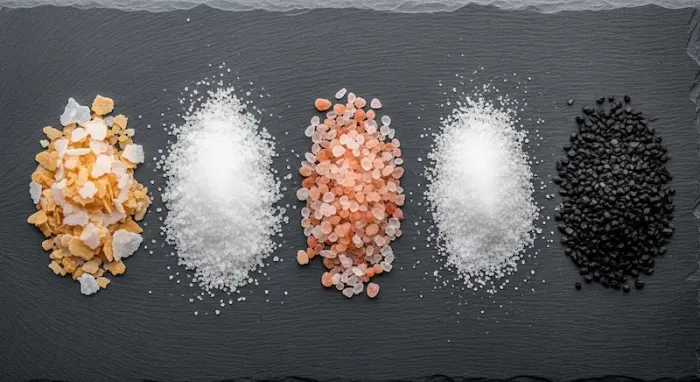
What About Sea Salt, Kosher Salt, And Pink Himalayan Salt?
• These salts may have different textures or trace minerals, but they contain similar amounts of sodium by weight as regular table salt. They are not a solution for sodium reduction.
• If you prefer their flavour or feel, use a measured amount and keep overall sodium goals in mind.
How To Switch To A Low Sodium Diet Without Losing Joy?
Practical Tips
• Read labels: Most dietary sodium comes from packaged and restaurant foods. Choose items labelled “low sodium” or “no salt added,” and aim for less than 5% Daily Value (DV) of sodium per serving when possible.
• Cook more at home: Restaurant meals are often high in sodium. Home cooking gives you control.
• Rinse canned foods: Draining and rinsing canned beans and vegetables helps remove excess sodium.
• Go gradual: Your taste buds adapt. Cut back a little each week; after a few weeks, you’ll notice less need for salt.
• Focus on whole foods: Fresh produce, beans, nuts, seeds, whole grains, lean proteins, and unsalted dairy or fortified alternatives naturally keep sodium in check.
• Be strategic with salt: If you use any salt, add a small pinch at the end of cooking for maximum impact with less.
Sample flavour Swaps
• Instead of salty dressings: Toss salads with lemon juice, a splash of vinegar, extra-virgin olive oil, cracked pepper, and fresh herbs.
• Instead of heavily salted rubs: Use smoked paprika, garlic powder, cumin, black pepper, and dried oregano.
• For soups and stews: Start with no-salt-added stock, build with onion, garlic, celery, herbs, and a spoonful of tomato paste for umami.
When To Talk To Your Healthcare Professional?
• If you have high blood pressure, kidney disease, heart disease, diabetes, or you’re on medicines that affect potassium or fluid balance, consult your clinician before using potassium-based salt substitutes.
• If you’re uncertain about how much sodium is right for you, a registered dietitian can tailor a plan that fits your health needs and tastes.
Conclusion
With the right salt alternatives, you can keep food delicious while supporting heart health. Start with herbs, spices, citrus, umami, and smart cooking methods; consider potassium salt substitutes only if it’s safe for you. Small changes add up, especially when you’re working toward a low sodium diet you’ll actually love.Consult a Top General Physician
Consult a Top General Physician

Dr. Ajay K Sinha
General Physician/ Internal Medicine Specialist
30 Years • MD, Internal Medicine
Delhi
Apollo Hospitals Indraprastha, Delhi

(225+ Patients)

Dr Syed Mateen Pasha
General Physician
2 Years • MBBS
Bengaluru
PRESTIGE SHANTHINIKETAN - SOCIETY CLINIC, Bengaluru


Dr. D Bhanu Prakash
General Practitioner
10 Years • MBBS, AFIH, Advanced certificate in critical care medicine, Fellowship in critical care medicine
Hyderabad
Apollo 24|7 Clinic, Hyderabad

Dr. Harshendra Jaiswal
General Physician/ Internal Medicine Specialist
12 Years • MBBS , MD (General medicine)
Kolkata
108 DHANA DHANVANTARI Clinic, Kolkata
(25+ Patients)

Dr. Thandra Ramoji Babu
General Physician/ Internal Medicine Specialist
5 Years • MBBS, DNB(General Medicine)
Warangal
Sai Ram multi-specialty hospital, Warangal
Consult a Top General Physician
Dr. Ajay K Sinha
General Physician/ Internal Medicine Specialist
30 Years • MD, Internal Medicine
Delhi
Apollo Hospitals Indraprastha, Delhi
(225+ Patients)
Dr Syed Mateen Pasha
General Physician
2 Years • MBBS
Bengaluru
PRESTIGE SHANTHINIKETAN - SOCIETY CLINIC, Bengaluru
Dr. D Bhanu Prakash
General Practitioner
10 Years • MBBS, AFIH, Advanced certificate in critical care medicine, Fellowship in critical care medicine
Hyderabad
Apollo 24|7 Clinic, Hyderabad
Dr. Harshendra Jaiswal
General Physician/ Internal Medicine Specialist
12 Years • MBBS , MD (General medicine)
Kolkata
108 DHANA DHANVANTARI Clinic, Kolkata
(25+ Patients)
Dr. Thandra Ramoji Babu
General Physician/ Internal Medicine Specialist
5 Years • MBBS, DNB(General Medicine)
Warangal
Sai Ram multi-specialty hospital, Warangal
More articles from General Medical Consultation



.webp)
Frequently Asked Questions
1. Are sea salt or Himalayan pink salt healthier than table salt?
No. They have similar sodium content by weight as table salt. If you prefer their texture or taste, use a measured amount and keep your daily sodium goals in mind.
2. Are potassium salt substitutes safe for everyone?
No. People with kidney disease, certain heart conditions, diabetes, or those taking medicines that raise potassium should not use them unless a healthcare professional says it’s safe.
3. Can MSG help me cut sodium, and is it safe?
For most people, yes. MSG has significantly less sodium than table salt and can help maintain savoury flavour while reducing total sodium. Major health authorities consider it safe, but if you notice sensitivity, reduce or avoid it and talk with your clinician.
4. How can I reduce sodium at restaurants?
Ask for sauces and dressings on the side, choose grilled or baked items, skip salty add-ons (like pickles or bacon), request “no added salt,” and split large portions. Balance the rest of your day with lower-sodium choices.
5. How do I read labels to find low-sodium foods?
Look for “low sodium” or “no salt added.” Check the Nutrition Facts panel and aim for less than 5% DV of sodium per serving when possible. Compare brands, sodium can vary widely.