


Effects of Poor Oral Hygiene on Overall Health
Learn how dental hygiene impacts your body. Discover major oral health effects, risks, and simple steps to protect your heart, lungs, and more.

Written by Dr. M L Ezhilarasan
Reviewed by Dr. Rohinipriyanka Pondugula MBBS
Last updated on 13th Jan, 2026
Introduction
Your mouth is a gateway to your overall health. The bacteria, inflammation, and habits in your mouth do not stay there. They can affect your heart, blood sugar, lungs, and even pregnancy outcomes. Understanding oral health effects helps you see why daily dental hygiene is worth the effort. Good news: small, consistent steps can make a big difference.
The big picture
- Oral diseases are very common worldwide. The World Health Organization reports that billions of people are affected.
- Tooth decay and gum disease can be silent at first, then cause pain, infection, and tooth loss.
Inflammation in the gums is linked with higher risks of several systemic conditions.
What poor dental hygiene does inside your mouth?
When plaque (a sticky film of bacteria) builds up, it triggers problems:
- Cavities (tooth decay): Acids from bacteria wear away enamel and create holes.
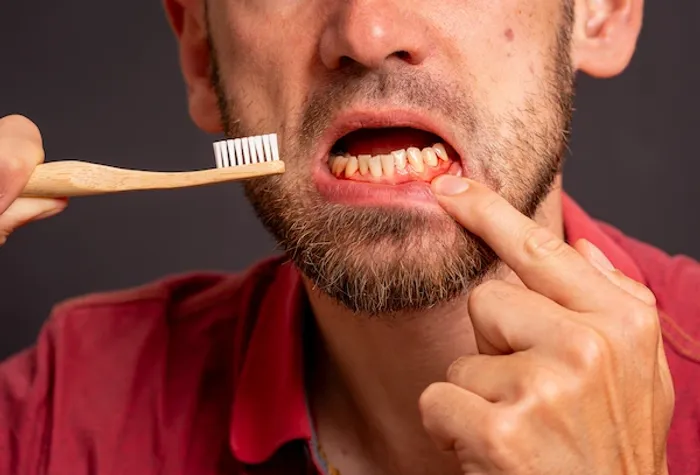
- Gingivitis: Early gum inflammation. Gums look red, swollen, and may bleed when brushing or flossing. Often reversible with improved care.
- Periodontitis (advanced gum disease): Inflammation and infection damage the tissues and bone that hold teeth. This can lead to loose teeth and tooth loss.
- Bad breath (halitosis): Bacteria and trapped food particles cause lingering odors.
- Dental abscesses: Untreated decay or gum infections can form painful pockets of pus.
- Tooth sensitivity and pain: Exposed dentin or infection can make hot, cold, and sweets uncomfortable.
- Dry mouth (xerostomia): Some medicines and health conditions reduce saliva. Less saliva raises cavity risk because saliva protects teeth.
Oral health effects beyond the mouth: How do they connect?
Research shows important links between gum health and the rest of the body. While having gum disease does not mean you will develop these conditions, the risks are higher, and shared risk factors (like smoking, diet, and inflammation) play a role.
- Heart and blood vessels: Gum disease is associated with a higher risk of heart disease and stroke.
- Diabetes: Gum disease and diabetes influence each other.
- Lungs: Mouth bacteria can contribute to infections like pneumonia, especially in older adults.
- Pregnancy: Gum disease is linked with preterm birth and low birth weight.
- Endocarditis: Mouth bacteria can enter the bloodstream and infect the inner lining of the heart in high-risk people.
- Quality of life and nutrition: Mouth pain and tooth loss can make eating, speaking, and socializing harder.
Consult a Top General Physician
Heart health and gum disease: What we know?
- People with periodontitis appear more likely to have cardiovascular disease. Chronic inflammation may be one reason.
- Treating gum disease improves gum health. It has not been proven to prevent heart attacks or strokes, but it is part of overall preventive care.
- If you have certain heart conditions or prosthetic heart valves, talk with your cardiologist and dentist. A small number of people need antibiotics before some dental procedures.
Diabetes and your gums: A two-way street
- High blood sugar can make gum disease more likely and more severe.
- Gum inflammation can make it harder to control blood sugar.
- For many people with diabetes, improving dental hygiene and treating gum disease may help with blood sugar management, alongside medical care, diet, and exercise.
- If you have diabetes, see your dentist regularly, tell them your A1C goals, and watch for early signs: bleeding gums, bad breath, or a change in how your teeth fit together.
Respiratory health: Breathing and bacteria
Bacteria from the mouth can be inhaled into the lungs. This is especially important for older adults, people in hospitals or nursing homes, and those with swallowing problems.
Better daily mouth care and regular professional cleanings may help reduce the risk of aspiration pneumonia in these groups.
Pregnancy and oral health
Hormonal changes can make gums more sensitive and prone to inflammation (pregnancy gingivitis).
Gum disease is linked with preterm birth and low birth weight. While treating gum disease during pregnancy is safe and recommended, studies do not show consistent reductions in preterm birth from periodontal treatment alone.
Practical tips during pregnancy:
- Continue routine dental checkups and cleanings.
- Treat cavities and gum inflammation promptly.
- Brush with fluoride toothpaste and floss daily.
- Manage nausea-related acid exposure by rinsing with water or a fluoride mouth rinse after vomiting (avoid brushing immediately).
Nutrition, speech, and quality of life
Painful or missing teeth can make chewing hard foods uncomfortable, leading to a softer, more processed diet with fewer fruits, vegetables, and proteins.
This can affect weight, blood sugar, and overall nutrition.
Dental problems can also affect speech, sleep, social confidence, and mental well-being.
Who is at higher risk of oral problems?
- Tobacco users (smoked or smokeless)
- People with diabetes
- Pregnant people
- Older adults
- People with dry mouth (medication side effects, Sjögren’s syndrome, radiation therapy)
- People with limited access to dental care
- Heavy alcohol use
- People with weakened immune systems
Common warning signs you should not ignore
- Gums that bleed when you brush or floss
- Red, tender, or swollen gums
- Persistent bad breath or bad taste
- Receding gums or teeth that look longer
- Tooth pain or sensitivity
- Loose teeth or changes in how your teeth fit together
- Sores, lumps, or patches in the mouth that do not heal in two weeks
Daily dental hygiene: Simple steps that protect your whole body
These habits support healthy gums and teeth and may reduce the risk of related systemic problems:
- Brush twice a day for 2 minutes each time with fluoride toothpaste. Use a soft-bristled brush.Clean between your teeth daily with floss, interdental brushes, or a water flosser.
- Clean your tongue gently to reduce odor-causing bacteria.
- Your toothbrush every 3–4 months (or sooner if bristles fray), or change brush heads on an electric brush.
- Use a fluoride mouth rinse if your dentist recommends it, especially if you have a high cavity risk or dry mouth.
- Choose products with a recognized quality seal (such as the ADA Seal of Acceptance in the U.S.).
- Drink fluoridated water if available. If not, ask your dentist about topical fluoride options.
- Limit sugary foods and drinks, especially between meals. Sip water instead of sweet beverages.
- Avoid tobacco and limit alcohol. These increase the risk of gum disease and oral cancer.
- Manage dry mouth: sip water often, use sugar-free gum or lozenges (xylitol can help), and ask your clinician about saliva substitutes or medication adjustments.
- Wear a mouthguard for sports and a nightguard if you grind your teeth (ask your dentist).
Professional care: How often should you go?
- Most people benefit from a dental checkup and cleaning every 6–12 months. Your dentist or hygienist may suggest more frequent visits if you have gum disease, diabetes, dry mouth, or other risks.
- Professional cleanings remove tartar (hardened plaque) that brushing and flossing cannot.
- Early treatment of gingivitis can prevent periodontitis and tooth loss.
Kids, teens, and oral health
- Start brushing with fluoride toothpaste as soon as the first tooth appears (a smear for toddlers, a pea-sized amount for ages 3+).
- Ask about dental sealants to protect permanent molars from cavities.
- Encourage water and healthy snacks. Limit juice and sticky, sugary foods.
- Sports? Use a properly fitted mouthguard.
Myths vs facts
- “My gums bleed, so I should stop flossing.” False. Bleeding is a sign of inflammation. Gentle daily cleaning helps gums heal.
- “Mouthwash replaces brushing.” False. Mouthwash can be helpful, but it does not remove plaque like brushing and flossing.
- “If nothing hurts, I don’t need the dentist.” False. Early decay and gum disease often have no pain.
- “Whitening harms teeth.” Not necessarily. Overuse or incorrect use can cause sensitivity. Follow product instructions and ask your dentist.
Putting it all together
Your mouth and body are deeply connected. By focusing on dental hygiene each day—brushing, cleaning between teeth, and regular dental visits—you support your overall health. If you notice warning signs, do not wait. Early care protects your smile and may lower risks tied to gum inflammation. Small steps add up.
Consult a Top General Physician
Consult a Top General Physician

Dr. Hariprasath J
General Physician/ Internal Medicine Specialist
19 Years • MD (Gen Med), FCCP, Dip (Diabetology, UK)
Chennai
Apollo First Med Hospitals P H Road, Chennai

(225+ Patients)

Dr. Preeti Kathail
General Physician/ Internal Medicine Specialist
17 Years • MBBS, PGDHHM
Bangalore
Apollo Clinic Bellandur, Bangalore

Dr. Renu Saraogi
General Physician/ Internal Medicine Specialist
21 Years • MBBS, PGDFM
Bangalore
Apollo Clinic Bellandur, Bangalore
(275+ Patients)

Dr. Meenakshi N
Family Physician
28 Years • MBBS DNB family medicine MPH FIMSA MNAMS
Noida
Apollo Hospitals Sector 26, Noida

Dr. Pinaki Mukhopadhyay
General Practitioner
33 Years • MBBS
Kolkata
MCR SUPER SPECIALITY POLY CLINIC & PATHOLOGY, Kolkata
(25+ Patients)
Consult a Top General Physician
Dr. Hariprasath J
General Physician/ Internal Medicine Specialist
19 Years • MD (Gen Med), FCCP, Dip (Diabetology, UK)
Chennai
Apollo First Med Hospitals P H Road, Chennai
(225+ Patients)
Dr. Preeti Kathail
General Physician/ Internal Medicine Specialist
17 Years • MBBS, PGDHHM
Bangalore
Apollo Clinic Bellandur, Bangalore
Dr. Renu Saraogi
General Physician/ Internal Medicine Specialist
21 Years • MBBS, PGDFM
Bangalore
Apollo Clinic Bellandur, Bangalore
(275+ Patients)
Dr. Meenakshi N
Family Physician
28 Years • MBBS DNB family medicine MPH FIMSA MNAMS
Noida
Apollo Hospitals Sector 26, Noida
Dr. Pinaki Mukhopadhyay
General Practitioner
33 Years • MBBS
Kolkata
MCR SUPER SPECIALITY POLY CLINIC & PATHOLOGY, Kolkata
(25+ Patients)
More articles from General Medical Consultation





Frequently Asked Questions
How often should I brush and floss?
Brush twice a day for 2 minutes with fluoride toothpaste. Clean between your teeth daily using floss, interdental brushes, or a water flosser.
Can gum disease be reversed?
Gingivitis, the early stage, is often reversible with good home care and professional cleanings. Advanced gum disease (periodontitis) can be controlled, but damage to bone and tissue cannot be fully restored without specialized treatment.
Does improving my dental hygiene help my heart?
Good oral care lowers gum inflammation and supports overall health. Gum disease is linked with higher heart risk, but treating gums is not a proven way to prevent heart attacks. It is one part of a heart-healthy lifestyle.
Is dental care safe during pregnancy?
Yes. Routine cleanings, exams, and necessary treatments are safe and recommended during pregnancy. Tell your dentist you are pregnant and discuss any symptoms such as bleeding gums.
What if my gums bleed when I floss?
Do not stop. Bleeding usually means your gums are inflamed. Use gentle technique daily. If bleeding continues after a week or two of consistent care, see your dentist or hygienist.