


Resveratrol Benefits: An In-Depth Research Exploration
What does research say about resveratrol for your heart, longevity, safety, sources, and smart supplement choices? Clear answers from trusted health sources.

Written by Dr. M L Ezhilarasan
Reviewed by Dr. Rohinipriyanka Pondugula MBBS
Last updated on 19th Feb, 2026
Introduction
If you are exploring resveratrol benefits and how this plant-derived compound fits into conversations about healthy ageing, heart health or antioxidant support, you are not alone. Resveratrol has attracted significant scientific interest because of its antioxidant and anti-inflammatory properties, and it naturally occurs in foods such as grapes, berries and peanuts. However, the evidence behind its real-world effects can be complex. This article reviews what trusted medical sources say about resveratrol, including how it works, what current research shows, who may benefit, and how to use it
safely.
Consult a Top General Practitioner for Personalised Advice
What Is Resveratrol?
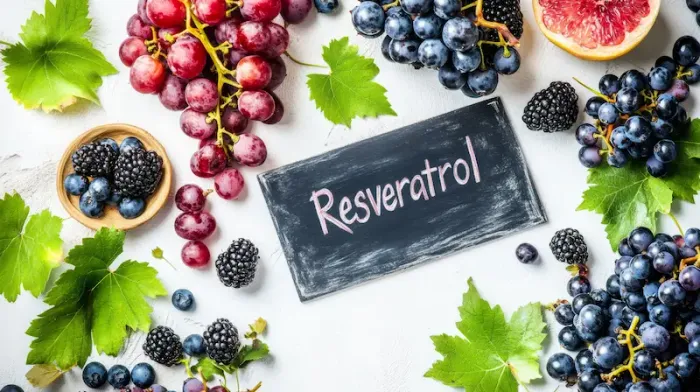
Resveratrol is a polyphenolic compound primarily located in the skin of red grapes and in smaller amounts in blueberries, cranberries, peanuts and several other plants. In nature, it acts as a protective substance that plants produce when under stress. In the human body, resveratrol functions as an antioxidant and may influence cellular pathways involved in inflammation, metabolism and the ageing process. Although it has been widely promoted in wellness discussions, evidence in humans remains variable and continues to evolve.
How Resveratrol May Work?
Researchers propose that resveratrol may:
- Help neutralise free radicals and reduce oxidative stress.
- Support healthy endothelial function, which helps maintain flexible and responsive blood vessels.
- Influence enzymes and proteins involved in cellular repair and metabolic regulation, such as SIRT1, in laboratory
studies. - Modestly reduce inflammatory signalling in certain biological pathways.
These actions are primarily demonstrated in laboratory and animal studies. Human studies show mixed outcomes,
reminding us that promising mechanisms do not always translate directly into clinical benefits.
Resveratrol And Heart Health
The relation of resveratrol and heart health includes:
What Current Research Indicates
Cardiovascular wellness is one of the most researched areas for resveratrol. Current scientific evidence suggests:
- Blood vessel function: Some clinical trials demonstrate improved endothelial function, including better flow-mediated
dilation, yet others report no significant change. Findings vary based on dose, population and study duration. - Blood pressure: Limited analyses indicate that higher doses of resveratrol may offer small reductions in systolic blood pressure in certain individuals, although results are inconsistent across studies.
- Cholesterol: Most studies do not show meaningful improvements in LDL or HDL cholesterol levels.
- Inflammation and oxidative stress: Some research shows reductions in inflammatory markers and oxidative stress
levels, but results vary widely.
What About Red Wine?
Red wine contains resveratrol, but the quantity is far lower than what is found in supplements. Health authorities
consistently emphasise that alcohol carries risks, including increased cancer risk and cardiovascular complications when
consumed in excess. Therefore, it is not recommended to drink alcohol for health benefits. Those who do not drink
should not begin for resveratrol purposes, and those who do should follow medical guidance on low-risk alcohol intake.
Can Resveratrol Slow Ageing?
Resveratrol is sometimes labelled a calorie restriction mimetic because it activates certain molecular pathways
associated with calorie restriction in laboratory settings. However:
- There is no solid evidence that resveratrol extends human lifespan.
- Human studies evaluating ageing-related outcomes, including cognitive function and metabolic performance, often
involve small sample sizes and produce inconsistent results. - Resveratrol should never replace proven foundations of healthy ageing, such as a balanced diet, regular physical
activity, quality sleep and avoidance of tobacco use.
Other Areas Of Research
Other areas of research include:
Brain And Cognitive Health
Some small trials suggest potential improvements in memory performance or increased cerebral blood flow. However, other trials show no measurable benefit, and larger studies are needed to determine its true impact.
Blood Sugar And Metabolic Health
In individuals with type 2 diabetes, some trials indicate modest improvements in fasting blood glucose or A1C, whereas
others show no significant change. Resveratrol should not be used as a substitute for prescribed diabetes treatment.
Weight And Metabolism
Studies exploring the effects of resveratrol on weight management yield inconsistent conclusions. Any metabolic benefit seems modest compared with the effects of targeted dietary and exercise interventions.
Cancer
Laboratory studies suggest anticancer properties, but there is insufficient human evidence to recommend resveratrol for cancer prevention or therapy.
Food Sources Versus Supplements
You can obtain resveratrol from:
- Grapes and grape skins.
- Berries such as blueberries and cranberries.
- Peanuts and some forms of cocoa.
- Red wine in small amounts.
Supplements generally provide far higher concentrations than food sources, often ranging from 100 to 500 mg per
serving. Because resveratrol has low oral bioavailability, supplement formulation may affect absorption, and many
researchers use the trans-resveratrol form in studies.
Safety, Side Effects And Precautions
Resveratrol is usually well tolerated at commonly studied doses, but potential side effects exist.
Possible Side Effects
- Digestive discomfort such as diarrhoea, nausea or stomach upset.
- Headache or mild dizziness in some individuals.
Drug And Medical Condition Considerations
- Blood thinners and antiplatelet medicines: Resveratrol may increase bleeding risk.
- Surgery and dental procedures: Many clinicians recommend stopping resveratrol at least two weeks before procedures.
- Pregnancy and breastfeeding: Safety remains unclear; avoid unless medically supervised.
- Hormone-sensitive conditions: Evidence is limited; seek clinical advice.
- Liver or kidney disease: Consult your clinician before use.
- Allergies: Review supplement labels carefully for allergens and excipients.
Choosing A Resveratrol Supplement
Tips to choose a resveratrol supplement are:
- Choose products that undergo third-party testing such as NSF, USP or ConsumerLab.
- Check the specific form of resveratrol and ensure the amount of trans-resveratrol is clearly indicated.
- Be cautious with products that combine resveratrol with additional compounds like quercetin or piperine, as they may
alter absorption or drug interactions. - Begin with a low dose to assess tolerance, if cleared by your clinician.
- Store supplements away from heat and light to maintain stability.
How Much Do People Take?
There is no standard recommended dose. Studies commonly use 100–500 mg per day, with some using higher doses
under research conditions. Higher doses may increase the likelihood of side effects, and long-term safety at high levels
has not been fully established. Personalised guidance from a healthcare professional is strongly recommended.
Smart Steps Before Starting Resveratrol
Smart steps to note before starting include:
- Discuss potential benefits and risks with your clinician or pharmacist.
- Provide a complete list of all medicines and supplements you take to assess interactions.
- Prioritise lifestyle strategies with strong evidence, including balanced nutrition, regular exercise, restorative sleep and
tobacco avoidance. - If cleared to try resveratrol, start with a reputable, third-party-tested brand at a low dose and monitor how you feel.
- Reassess after 8–12 weeks with your clinician to decide whether to continue.
Conclusion
Resveratrol is a widely studied antioxidant that has shown promising effects in laboratory settings and modest benefits
in certain human studies, particularly in areas related to cardiovascular health and inflammation. However, evidence remains inconsistent, and expectations should be realistic. For most people, food sources of resveratrol and a focus on core health habits offer a stable foundation for wellbeing. Supplements may be considered selectively, particularly for targeted goals, but should always be discussed with a healthcare professional. While resveratrol may complement a healthy lifestyle, it should not be viewed as a stand-alone solution for ageing, heart disease or chronic conditions.
Consult a Top General Practitioner for Personalised Advice
Consult a Top General Practitioner for Personalised Advice

Dr. Rajib Ghose
General Physician/ Internal Medicine Specialist
25 Years • MBBS
East Midnapore
VIVEKANANDA SEBA SADAN, East Midnapore

Dr. Rashmi Wadhwa
General Practitioner
35 Years • MBBS
South Delhi
RASHMI WADHWA'S CLINIC, South Delhi

(75+ Patients)

Dr. Pinaki Mukhopadhyay
General Practitioner
33 Years • MBBS
Kolkata
MCR SUPER SPECIALITY POLY CLINIC & PATHOLOGY, Kolkata
(25+ Patients)

Dr. Ashita Kuruvilla
General Practitioner
7 Years • MBBS
Kolkata
KVC CLINIC, Kolkata

Dr. Sougata Kumar
General Practitioner
9 Years • MBBS
East Midnapore
VIVEKANANDA SEBA SADAN, East Midnapore
Consult a Top General Practitioner for Personalised Advice
Dr. Rajib Ghose
General Physician/ Internal Medicine Specialist
25 Years • MBBS
East Midnapore
VIVEKANANDA SEBA SADAN, East Midnapore
Dr. Rashmi Wadhwa
General Practitioner
35 Years • MBBS
South Delhi
RASHMI WADHWA'S CLINIC, South Delhi
(75+ Patients)
Dr. Pinaki Mukhopadhyay
General Practitioner
33 Years • MBBS
Kolkata
MCR SUPER SPECIALITY POLY CLINIC & PATHOLOGY, Kolkata
(25+ Patients)
Dr. Ashita Kuruvilla
General Practitioner
7 Years • MBBS
Kolkata
KVC CLINIC, Kolkata
Dr. Sougata Kumar
General Practitioner
9 Years • MBBS
East Midnapore
VIVEKANANDA SEBA SADAN, East Midnapore
More articles from General Medical Consultation

 Ayurvedic Uses, Benefits, and Side Effects.webp)
Frequently Asked Questions
1) Will resveratrol help me live longer?
There’s no good evidence that resveratrol extends human lifespan. While lab and animal studies are intriguing, human trials have not shown clear longevity benefits. It may support certain aspects of wellness for some people, but it’s not a proven anti-ageing shortcut.
2) Should I drink red wine to get resveratrol?
No. Red wine contains only small amounts of resveratrol, and alcohol carries health risks. Major health organisations do not recommend drinking alcohol for health benefits. If you want resveratrol, prioritise food sources or talk with your clinician about supplements.
3) What’s a typical dose?
There is no official recommended dose. Human studies often use about 100–500 mg of trans-resveratrol daily, sometimes more, but responses vary, and higher doses can cause stomach upset. Discuss dosing with a healthcare professional who knows your history.
4) Is resveratrol safe with blood thinners or aspirin?
Use caution. Resveratrol may increase bleeding risk, especially with anticoagulants (like warfarin) and antiplatelets (like clopidogrel or aspirin) and with NSAIDs. Always check with your clinician or pharmacist before combining.
5) Can resveratrol replace my statin, blood pressure pill, or diabetes medication?
No. Evidence for resveratrol is mixed and generally modest compared with standard treatments. Do not stop or change any prescribed medication without your clinician’s guidance.