Understanding the Causes of Rubella
Understand the causes of rubella, including how it spreads, risk factors, and the role of the rubella virus. Learn about the importance of vaccination and how to prevent transmission, especially during pregnancy.

Written by Dr. Rohinipriyanka Pondugula
Reviewed by Dr. Shaik Abdul Kalam MD (Physician)
Last updated on 13th Jan, 2026
Introduction
Rubella, also known as German measles, is a contagious viral infection that primarily affects children and young adults. While it is usually mild, rubella can have serious consequences, especially for pregnant women and their unborn babies. Understanding the causes of rubella is essential to prevent its spread and protect vulnerable individuals.
What Is Rubella?
Rubella is caused by the rubella virus, which spreads through respiratory droplets when an infected person coughs or sneezes. The infection is typically mild, with symptoms like a rash, low-grade fever, and swollen lymph nodes. However, if a pregnant woman contracts rubella, it can lead to congenital rubella syndrome (CRS), causing severe birth defects or miscarriage.
How Does Rubella Spread?
The primary cause of rubella is the rubella virus (Rubivirus), which is highly contagious. The virus spreads through:
1. Direct Contact – Breathing in droplets from an infected person’s cough or sneeze.
2. Indirect Contact – Touching surfaces contaminated with the virus and then touching the face.
3. Mother-to-Baby Transmission – If a pregnant woman gets infected, the virus can pass to the foetus, leading to CRS.
People are most contagious one week before and after the rash appears, even if they don’t show symptoms.
Who Is at Risk?
While rubella can affect anyone, certain groups are at higher risk:
Unvaccinated individuals – Those who haven’t received the MMR (measles, mumps, rubella) vaccine.
Pregnant women – Especially in the first trimester, as rubella can harm the developing baby.
People with weakened immune systems – Such as those undergoing chemotherapy or with HIV.
Symptoms of Rubella
Many people with rubella experience mild or no symptoms, but common signs include:
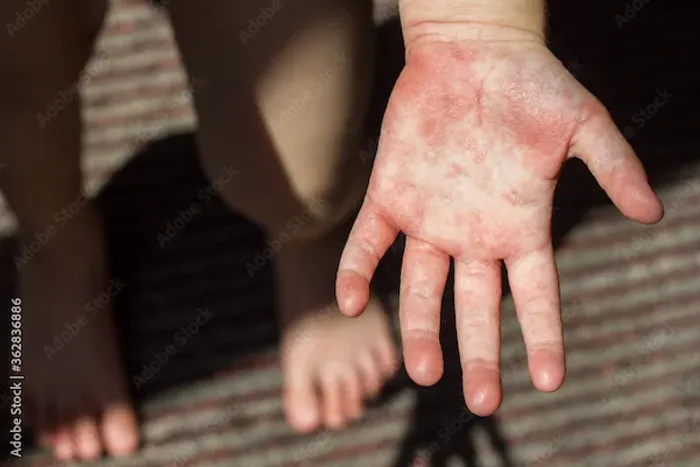
Pink or red rash (starts on the face and spreads to the body)
Low-grade fever
Swollen lymph nodes (especially behind the ears and neck)
Headache, sore throat, and runny nose
Joint pain (more common in adults)
Symptoms usually appear 2-3 weeks after exposure and last about 3-7 days.
How Is Rubella Diagnosed?
If you suspect rubella, a doctor may:
1. Check symptoms – Rash, fever, and swollen glands are key indicators.
2. Order a blood test – To detect rubella antibodies.
3. Test for congenital rubella – If a pregnant woman is exposed, foetal testing may be needed.

Prevention: The Best Defense Against Rubella
The most effective way to prevent rubella is through vaccination. The MMR vaccine is safe and highly effective, providing lifelong immunity.
Vaccination Schedule:
First dose: 12–15 months of age
Second dose: 4–6 years of age
Adults (especially women planning pregnancy) should check their vaccination status.
Other Preventive Measures:
Avoid close contact with infected individuals.
Practice good hygiene – Wash hands frequently and cover coughs/sneezes.
Pregnant women should avoid travel to areas with rubella outbreaks.
Managing Rubella at Home
If you or your child has rubella:
Rest and stay hydrated – Helps the body fight the virus.
Use fever reducers (like paracetamol) – For fever and discomfort.
Avoid contact with others – Especially pregnant women, until fully recovered.
Monitor for complications – Seek medical help if symptoms worsen.
When to See a Doctor
Consult a healthcare provider if:
The rash or fever persists beyond a week.
Severe headache, joint pain, or breathing difficulties occur.
You’re pregnant and suspect rubella exposure.
Conclusion
Rubella is preventable, yet outbreaks still occur in areas with low vaccination rates. By understanding its causes and taking preventive steps, we can protect ourselves and future generations.
Consult a Top General Physician for the best advice
Consult a Top General Physician for the best advice

Dr. Rajib Ghose
General Physician/ Internal Medicine Specialist
25 Years • MBBS
East Midnapore
VIVEKANANDA SEBA SADAN, East Midnapore

Dr. Ashmitha Padma
General Physician/ Internal Medicine Specialist
5 Years • MBBS, MD Internal Medicine
Bengaluru
Apollo Hospitals Jayanagar, Bengaluru

Dr. M. Krishna Bharath Reddy
General Physician/ Internal Medicine Specialist
10 Years • MD General Medicine, MRCP (London) and DM( Critical Care)
Chennai
Apollo One Chennai, Chennai

Dr P Jagadeesha Chandra
General Physician/ Internal Medicine Specialist
37 Years • MBBS, MD
Bengaluru
Apollo Hospitals Jayanagar, Bengaluru

Dr. Aakash Garg
Gastroenterology/gi Medicine Specialist
12 Years • MBBS, DNB (Medicine), DrNB (Gastroentrology).
Bilaspur
Apollo Hospitals Seepat Road, Bilaspur

(200+ Patients)