


Savasana (Corpse Pose): Steps, Benefits, and Relaxation Techniques
Savasana guide: steps, benefits, and relaxation techniques. Practical savasana yoga tips to make this relaxation pose safe, calming, and effective.

Written by Dr. Siri Nallapu
Reviewed by Dr. D Bhanu Prakash MBBS, AFIH, Advanced certificate in critical care medicine, Fellowship in critical care medicine
Last updated on 13th Jan, 2026
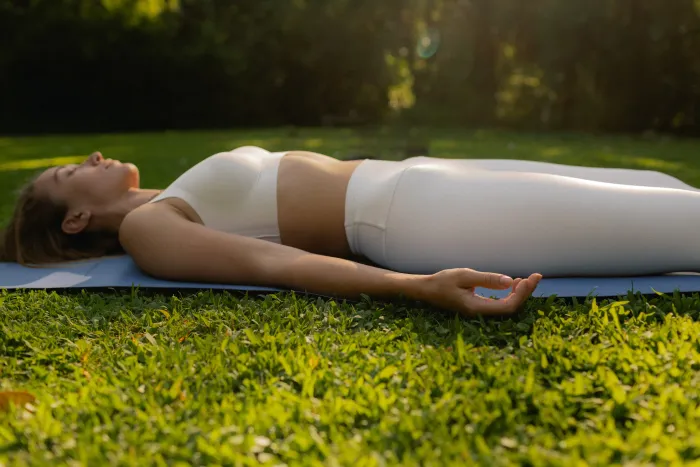
Introduction: Why Savasana Matters
After a demanding day or a challenging workout, both the body and mind benefit from intentional rest. Savasana, also known as Corpse Pose, traditionally closes a yoga practice, though it can also be enjoyed on its own. In savasana yoga, you lie comfortably on your back, breathe naturally, and allow your whole system to unwind. This simple yet purposeful pose helps release muscle tension, calm the mind, and support overall well-being.Consult a Top General Practitioner for Personalised Advice
What Is Savasana (Corpse Pose)?
Savasana (pronounced shah-VAH-sah-nah) is a restorative posture performed lying flat on your back with the eyes closed or softly focused. Although it may look like stillness, it is a conscious practice of letting go—placing the body in neutral alignment, breathing with ease, and inviting mental quiet.
Why It Helps
• Encourages the natural relaxation response, reducing muscle tension and helping heart rate and breathing settle
• Offers the mind a break from constant input, supporting concentration and emotional balance
• Provides space for the benefits of physical activity or yoga to integrate into the body
While broader research on yoga highlights benefits for flexibility, stress management, and general wellness, Savasana in particular serves as a gentle transition from effort to ease.
Key Benefits You May Notice
The key benefits include:
• Less physical tension: Muscles soften when permitted to rest
• Calmer mind: A quiet pause can help ease busy thoughts and reduce perceived stress
• Gentler breathing: Stillness supports slower, more even breath patterns
• Improved body awareness: Helps you notice subtle tension and release it
• A sense of closure: Offers a mindful end to exercise, yoga, or your day
Note: Effects vary from person to person. If you have ongoing symptoms or a medical condition, seek individual advice from a healthcare professional.
How to Do Savasana Yoga: Step-by-Step
Set aside 5–10 minutes to begin. With experience, you may feel comfortable extending to 10–20 minutes. The step-by-step procedure is:
Setup and Alignment (1–2 minutes)
• Choose a quiet, comfortable surface such as a yoga mat, carpet, or firm bed
• Lie on your back with legs slightly apart, allowing toes to fall outward
• Rest arms alongside the body with palms up or down, leaving space from the torso
• Lengthen the back of the neck; use a thin pillow or folded towel if needed
• Place a pillow or rolled blanket under the knees if the lower back feels tight
• Use a light blanket if you tend to get cold; consider an eye pillow to reduce light
Breathing and Focus (3–8 minutes)
• Close your eyes or soften your gaze
• Allow natural breath without forcing deeper inhalations
• Relax the jaw, tongue, forehead, and the space between the eyebrows
• Move your awareness gradually from head to toe, inviting each area to soften
Duration and Exit (1–2 minutes)
• Practise for at least 5 minutes; longer sessions offer deeper restoration
• To finish, deepen your breathing, wiggle fingers and toes, roll onto your side, pause, and rise slowly to avoid dizziness
Relaxation Pose Techniques You Can Use in Savasana
Enhance your rest by incorporating one simple technique at a time. Some pose techniques include:
Body Scan
• Mentally travel from scalp to soles, pausing at areas such as the jaw, shoulders, belly, and feet
• Invite each area to release tension gently
Breath Counting
• Count “one” on the inhale and “two” on the exhale, up to 10
• Begin again if the mind wanders, without judgment
Extended Exhale
• Maintain natural breathing
• Lengthen the exhale slightly longer than the inhale (e.g., inhale 4, exhale 5–6)
• Stop if you feel breathless or uncomfortable
Progressive Muscle Relaxation (Gentle Version)
• Lightly tense a small area, such as hands or shoulders, for 3–5 seconds
• Release completely and move on to another area
Guided Imagery
• Visualise a peaceful setting, such as a beach or forest
• Notice sensory details and gently return to the image when thoughts drift
Modifications and Props for Comfort
Savasana should always feel supported and safe. Adjust the position as needed. Some modifications include:
For Lower Back Sensitivity
• Place a bolster, pillow, or rolled blanket under the knees
• Alternatively, bend the knees with feet on the floor and rest the knees together
For Neck Comfort
• Use a thin pillow or folded towel to keep the neck in neutral alignment
• Avoid letting the head tip backwards
For Shoulders or Chest Tightness
• Slide a folded blanket under the upper back and head to open the chest gently
• Position arms slightly wider if shoulders feel restricted
For Pregnancy
• After the first trimester, avoid lying completely flat for long periods
• Try side-lying Savasana with pillows between the knees and under the head
• Support the upper body with a wedge or stacked pillows
• Stop if dizziness, breathlessness, or discomfort occurs
For Anxiety or Trauma Sensitivity
• Keep the eyes open with a soft gaze
• Try side-lying or bent-knee variations if lying flat feels vulnerable
• Use a light blanket for grounding
• Consider practising with a trauma-informed instructor
If You Cannot Lie on the Floor
• Practise “chair Savasana”: Sit in a supportive chair with feet flat, hands relaxed, and head supported
• Use the same breathing and awareness techniques
Safety Tips and When to Talk to a Professional
The safety tips include:
• Rise slowly to prevent lightheadedness
• Ensure the pose is pain-free; adjust or stop if discomfort occurs
• Keep breathing easy; return to natural breathing if any technique causes anxiety
• Seek medical advice if you have conditions affecting breathing, blood pressure, circulation, or pregnancy
• Use Savasana at times that support your needs—after exercise, during a break, or before sleep
Common Mistakes and How to Fix Them
Some common mistakes and how to fix them include:
• Jaw or shoulder tension: Soften the jaw and let the shoulders drop away from the ears
• Chin lifted too high: Support the head to maintain a long neck
• Low back discomfort: Elevate the knees or try constructive rest
• Racing thoughts: Use a simple technique such as breath counting or body scan
• Expecting instant calm: Relaxation deepens with regular practice
How Often Should You Practise?
The frequency of practice includes:
• Begin with 5–10 minutes, 3–5 times per week
• On busy days, even 2–3 minutes helps create a mental pause
• Extend to 10–20 minutes as comfort grows
Evidence and What We Know
Evidence and what we know about them includes:
• Yoga and relaxation practices are widely used for reducing stress and enhancing general well-being
• Many recognised health organisations endorse techniques such as controlled breathing, progressive muscle relaxation, and mindfulness, which complement Savasana
• When using Savasana for issues such as pain, sleep difficulties, or anxiety, combine it with individual guidance from a clinician
Build a Savasana Yoga Habit
You can build a habit by:
• Keep a folded blanket, towel, or eye pillow nearby
• Use a gentle timer to avoid checking the clock
• Practise at a consistent time, such as after work or before bedtime
• Value consistency over duration; small daily practices add up
Quick Savasana Routines for Real Life
The quick routines include:
Post-Work Reset (5 minutes)
• Lie down, elevate knees, and perform a light body scan
• Breathe naturally before slowly rising
Pre-Sleep Wind-Down (10 minutes)
• Dim lights, use an eye pillow, lengthen exhales
• Turn onto your side afterwards to transition to sleep
Midday Break (3 minutes)
• Chair Savasana at your desk
• Relax your shoulders and count breaths from 1 to 10 twice
Conclusion
Savasana is a profoundly simple yet powerful practice that supports relaxation, body awareness, and mental clarity. By creating space for stillness, you allow your nervous system to unwind and restore balance. With gentle alignment, comfortable props, and mindful breathing, Savasana can become a grounding ritual that suits your lifestyle. Whether used after exercise, before sleep, or as a midday pause, it offers a moment of calm in an otherwise busy world. With regular practice, even short sessions can contribute to long-term well-being.Consult a Top General Practitioner for Personalised Advice
Final note
Savasana is simple, adaptable, and accessible. With small adjustments and gentle focus, this relaxation pose can become a steady anchor in your day—helping you unwind, recharge, and meet life with more ease. If you’re new to savasana yoga or have health concerns, start slowly, listen to your body, and reach out to a qualified instructor or healthcare professional for personalised support.
Consult a Top General Practitioner for Personalised Advice
Dr Suseela
General Physician
5 Years • MBBS
Bengaluru
Apollo Medical Center, Marathahalli, Bengaluru

Dr. Rajib Ghose
General Physician/ Internal Medicine Specialist
25 Years • MBBS
East Midnapore
VIVEKANANDA SEBA SADAN, East Midnapore

Dr. Pinaki Mukhopadhyay
General Practitioner
33 Years • MBBS
Kolkata
MCR SUPER SPECIALITY POLY CLINIC & PATHOLOGY, Kolkata

(25+ Patients)

Dr. Ashita Kuruvilla
General Practitioner
7 Years • MBBS
Kolkata
KVC CLINIC, Kolkata

Dr. Jacqueline M. Kuruvilla
General Practitioner
8 Years • MBBS
Bengaluru
Apollo Clinic, Sarjapur Road, Bengaluru
Consult a Top General Practitioner for Personalised Advice
Dr Suseela
General Physician
5 Years • MBBS
Bengaluru
Apollo Medical Center, Marathahalli, Bengaluru
Dr. Rajib Ghose
General Physician/ Internal Medicine Specialist
25 Years • MBBS
East Midnapore
VIVEKANANDA SEBA SADAN, East Midnapore
Dr. Pinaki Mukhopadhyay
General Practitioner
33 Years • MBBS
Kolkata
MCR SUPER SPECIALITY POLY CLINIC & PATHOLOGY, Kolkata
(25+ Patients)
Dr. Ashita Kuruvilla
General Practitioner
7 Years • MBBS
Kolkata
KVC CLINIC, Kolkata
Dr. Jacqueline M. Kuruvilla
General Practitioner
8 Years • MBBS
Bengaluru
Apollo Clinic, Sarjapur Road, Bengaluru
More articles from General Medical Consultation




Frequently Asked Questions
1) How long should I stay in Savasana?
5–10 minutes is a helpful starting range. With more time, 10–20 minutes can be deeply restorative. Even a few minutes can help reset your mind and body.
2) Is it okay if I fall asleep?
Yes, especially if you are tired. If your aim is awareness, try practising earlier in the day or shorten the duration. For bedtime Savasana, falling asleep is perfectly fine.
3) Can beginners do Savasana without a yoga class?
Absolutely. Follow the alignment steps, keep the body comfortable, and use a timer. If you are pregnant or have medical concerns, consult a professional for modifications.
4) What if lying on my back hurts?
.Use props such as a pillow under the knees or a small cushion under the head. Side-lying or chair Savasana are also valid options. If pain persists, speak to a clinician.
5) How often should I practise for stress relief?
Aim for most days of the week. Consistency is more important than length. Pairing Savasana with techniques such as breath counting can enhance benefits.