


Spinach Juice: Ayurveda Benefits, Uses & Side Effects
Explore spinach juice benefits, Ayurveda detox tips, iron-rich drinks, and side effects. Learn how to make it safely, who should avoid it, and FAQs.

Written by Dr. Vasanthasree Nair
Reviewed by Dr. Rohinipriyanka Pondugula MBBS
Last updated on 14th Jan, 2026
Introduction
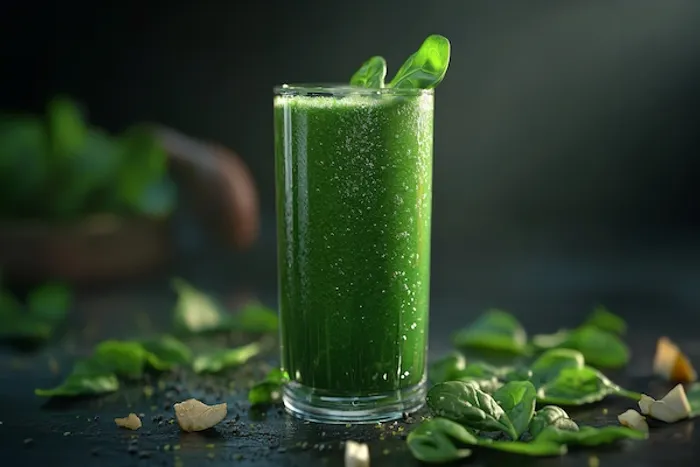
Spinach juice is a popular wellness choice because it’s quick to make, refreshing, and packed with nutrients. People often ask about the benefits of spinach juice, whether it can support Ayurveda detox routines, and if it truly counts as one of the iron-rich drinks. In this guide, you’ll learn what spinach juice can (and can’t) do for your health, safe ways to use it, who should avoid it, and how to make it taste great, backed by trustworthy, up-to-date health information.
What’s In Spinach Juice? The Nutrition Basics
Spinach Is Naturally Rich In:
- Vitamin K (important for blood clotting and bone health)
- Folate (a B vitamin important for cell growth and pregnancy)
- Vitamin A and C (immune, skin, and eye health; vitamin C supports iron absorption)
- Potassium and magnesium (support nerves, muscles, and the heart)
- Plant compounds like nitrates (leafy green nitrates are linked with heart health)
- Iron (non‑heme form; see absorption tips below)
Helpful Context On Iron:
- Spinach does contain iron, but it’s the non‑heme type. Your body absorbs non‑heme iron less efficiently, especially when the food is high in oxalates, like spinach.
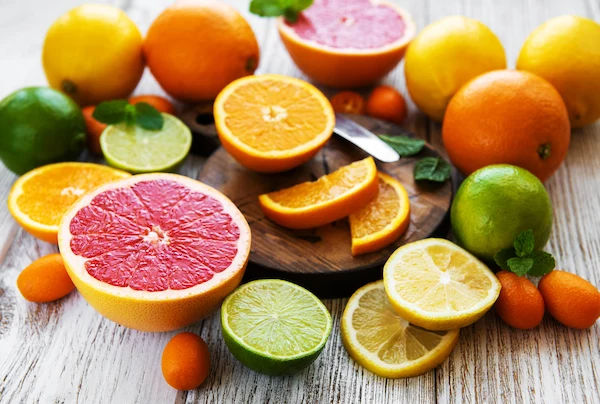
- Vitamin C (for example, lemon or orange) helps your body absorb more non‑heme iron. Pairing spinach with vitamin C–rich ingredients is a smart way to build better iron-rich drinks.
Spinach Juice Benefits (Evidence-Informed)
When used as part of an overall healthy diet, spinach juice may offer:
- A convenient way to get more vitamins and minerals. If you don’t enjoy salads, juicing can be an easier entry point to leafy greens.
- Support for heart health. Leafy greens naturally contain dietary nitrates; in the context of a balanced diet, vegetable nitrates are associated with healthy blood pressure.
- A hydrating, low-calorie option. Spinach is mostly water and very low in calories.
- A helpful iron “assists” when combined with vitamin C. A squeeze of lemon or an orange in your juice can improve non‑heme iron absorption from spinach.
Good To Know:
- Juicing removes most fibre. If steady energy, gut health, and fullness are priorities, blending spinach into a smoothie (instead of juicing) keeps the fibre.
- Cooking or blanching spinach can reduce oxalate content compared with eating it raw. If oxalates are a concern (for example, a history of calcium oxalate kidney stones), consider lightly cooking spinach and rotating with lower oxalate greens.
Consult a Top General Physician
Spinach Juice In Ayurveda: Gentle “Detox” Support, The Traditional Way
In Ayurveda, “detox” doesn’t mean a quick fix. It refers to supporting your digestive fire (agni), daily elimination, and balance. Spinach (palak) is considered a light, mostly bitter/astringent leafy green that can be cooled. Here’s how Ayurveda-inspired practices often incorporate spinach juice:
- Keep digestion strong. Add warming spices like fresh ginger, cumin, or black pepper to a small serving of spinach juice to support agni and reduce the tendency to bloat.
- Balance raw with cooked. Raw greens can feel “light and drying” and may aggravate Vata in some people. Lightly blanching spinach before juicing, or pairing it with a little healthy fat (like a few drops of ghee in a meal), can feel gentler.
- Short, seasonal use. In many traditional routines, green juices are used in small amounts during spring or early summer, paired with regular meals, not as meal replacements.
Important: Ayurveda is personalized. If you have a health condition or you’re pregnant, discuss any Ayurveda detox or juice routine with a qualified practitioner.
How To Make Spinach Juice Safely? (And More Ironboosting)
Food safety comes first, especially with raw produce.
Step 1: Wash Thoroughly
- Choose fresh spinach; discard wilted or slimy leaves.
- Rinse under running water and dry with a clean towel or salad spinner.
- Wash your hands, cutting board, and juicer parts before and after use.
Step 2: Prep And Pair For Nutrition
- Base: 2 packed cups of spinach (raw or lightly blanched and cooled).
- Add vitamin C: 1/2 lemon (peeled) or 1 small orange. This boosts non‑heme iron absorption.
- Optional supports:
- 1/2 inch fresh ginger or a pinch of cumin for digestion (Ayurveda-friendly).
- 1/2 green apple or cucumber for flavor and hydration.
- A few mint leaves for freshness.
Step 3: Juice Or Blend
- For juice: Run ingredients through a clean juicer. Drink soon after making.
- For more fibre: Blend with 1/2–1 cup cold water or ice, then strain only if needed.
Step 4: Iron Smart Serving
- Enjoy a meal that contains some protein.
- If iron is your focus, avoid drinking tea or coffee with your spinach juice; their polyphenols can reduce iron absorption. Give a 1–2 hour gap.
Portion And Frequency
- A sensible portion is about 4–8 ounces (120–240 mL).
- Most people do well with a few times per week, rotating greens (e.g., spinach, romaine, herbs) rather than using spinach every single day.
Who Should Limit Or Avoid Spinach Juice?
Spinach juice, while generally healthy, should be limited or avoided by individuals with certain kidney issues, gout, or those taking specific blood-thinning medications:
- History of calcium‑oxalate kidney stones: Spinach is very high in oxalates. If you’ve had these stones, limit spinach and speak with your clinician or a dietitian about safer choices. When you do eat high‑oxalate foods, consuming adequate calcium with meals can help reduce oxalate absorption.
- Taking warfarin (Coumadin): Spinach is very high in vitamin K, which affects how warfarin works.
- You don’t necessarily need to avoid it entirely, but you must keep your vitamin K intake consistent and coordinate with your healthcare provider.
- Chronic kidney disease or those advised to limit potassium: Spinach is high in potassium; discuss appropriate amounts and alternatives with your medical team.
- Infants: Juice isn’t recommended for infants under 12 months. Stick to breastmilk/formula and, when age-appropriate, whole foods.
- Sensitive digestion: Raw spinach juice can cause bloating for some people. Try smaller portions, lightly blanching the leaves first, or blending instead of juicing.
Possible Side Effects And Interactions
- Bloating or gas: Especially if you’re not used to raw greens. Start small and pair with ginger or cumin.
- Kidney stone risk in susceptible people: Due to high oxalate content.
- Interactions with blood thinners: The high vitamin K in spinach can interfere with warfarin dosing.
- Keep intake consistent and follow your clinician’s advice.
- Blood sugar swings: Juice has little fibre. If you have diabetes or insulin resistance, choose a smoothie (fibre intact), keep portions small, and monitor your response.
- Foodborne illness risk: Any raw produce can carry germs if not properly washed. Clean produce and equipment thoroughly.
Does Spinach Juice “Detox” The Body?
Spinach juice is not a magic "detox" solution, but its nutrients can support the body's natural detoxification processes.
- From a medical stand point: Your liver, kidneys, lungs, skin, and digestive system handle detoxification continuously. No single juice “detoxes” the body.
- From an Ayurveda perspective: Green juices can be part of a gentle seasonal reset, supporting digestion, hydration, and elimination, when used in moderation, with warming spices, and alongside regular, balanced meals.
Spinach Juice Vs. Smoothie Vs. Cooked Greens
Spinach's nutritional impact varies significantly based on preparation: juice offers rapid nutrients, smoothies retain filling fibre, and cooking affects mineral and oxalate levels.
- Juice: Highest concentration of certain vitamins per sip but very low fibre; best in small amounts.
- Smoothie: Keeps fibre, steadier energy, more filling; often better for everyday use.
- Cooked spinach: Can lower oxalate content compared with raw and may be friendlier for sensitive stomachs. Add lemon to the table to support iron absorption.
Quick Recipes You’ll Actually Use
Tired of complex cooking? Dive into these quick recipes you'll actually use:
- Vitamin C Iron Booster (great for iron-rich drinks):
- Spinach, orange, lemon, and ginger. Juice or blend and serve immediately.
- Cooling Green:
- Spinach, cucumber, mint, a squeeze of lime, pinch of cumin.
- Gentle Start (lower oxalate approach):
- Lightly blanch spinach, cool, then blend with pear, water, and lemon; strain if desired.
Spinach Juice Benefits At A Glance
Spinach juice offers a potent, concentrated dose of nutrients for immediate health gains:
Nutrient-dense way to add vitamins and minerals.
When paired with citrus, it contributes to non‑heme iron intake and absorption.
Hydrating and refreshing, especially in warm months.
Fits Ayurveda detox routines in small, mindful portions with warming spices.
Consult a Top General Physician
Consult a Top General Physician

Dr. Anand Ravi
General Physician
2 Years • MBBS, FEM
Bengaluru
PRESTIGE SHANTHINIKETAN - SOCIETY CLINIC, Bengaluru

Dr. Dhanraj K
General Physician/ Internal Medicine Specialist
25 Years • MBBS, MD Internal Medicine - Osmania Medical College, Hyderabad
Hyderabad
Apollo Hospitals Jubilee Hills, Hyderabad

(450+ Patients)

Dr. Harshendra Jaiswal
General Physician/ Internal Medicine Specialist
12 Years • MBBS , MD (General medicine)
Kolkata
108 DHANA DHANVANTARI Clinic, Kolkata
(25+ Patients)

Dr. Smitha Nagaraj
General Physician/ Internal Medicine Specialist
15 Years • MBBS, Diploma in Family Medicine
Bengaluru
Apollo Medical Center, Marathahalli, Bengaluru

Dr. Divyashree K
General Physician/ Internal Medicine Specialist
5 Years • MBBS
Bengaluru
Apollo Clinic, JP nagar, Bengaluru
Consult a Top General Physician
Dr. Anand Ravi
General Physician
2 Years • MBBS, FEM
Bengaluru
PRESTIGE SHANTHINIKETAN - SOCIETY CLINIC, Bengaluru
Dr. Dhanraj K
General Physician/ Internal Medicine Specialist
25 Years • MBBS, MD Internal Medicine - Osmania Medical College, Hyderabad
Hyderabad
Apollo Hospitals Jubilee Hills, Hyderabad
(450+ Patients)
Dr. Harshendra Jaiswal
General Physician/ Internal Medicine Specialist
12 Years • MBBS , MD (General medicine)
Kolkata
108 DHANA DHANVANTARI Clinic, Kolkata
(25+ Patients)
Dr. Smitha Nagaraj
General Physician/ Internal Medicine Specialist
15 Years • MBBS, Diploma in Family Medicine
Bengaluru
Apollo Medical Center, Marathahalli, Bengaluru
Dr. Divyashree K
General Physician/ Internal Medicine Specialist
5 Years • MBBS
Bengaluru
Apollo Clinic, JP nagar, Bengaluru
More articles from General Medical Consultation




Frequently Asked Questions
Is spinach juice good for anemia?
Spinach contributes non‑heme iron, but it’s not a stand‑alone treatment for iron‑deficiency anemia. Pair spinach with vitamin C (like lemon or orange) to improve absorption. If you suspect anemia, get tested and follow your clinician’s plan; supplements or other treatments may be needed.
Can spinach juice cause kidney stones?
If you’re prone to calcium‑oxalate kidney stones, high‑oxalate foods like spinach can contribute. Strategies that may help include limiting spinach, rotating greens, drinking enough fluids, and getting adequate dietary calcium with meals (which can bind oxalate in the gut). Work with your healthcare provider or dietitian for a tailored plan.
Is spinach juice safe during pregnancy?
In normal food amounts, spinach provides folate and other nutrients. Focus on thorough washing for food safety. If you have kidney stones, are on blood thinners, or have been advised to limit potassium, speak with your prenatal care team about what amount is right for you.
What’s better: spinach juice or smoothie?
A smoothie is usually a better everyday choice because it keeps the fibre, which supports digestion and steady energy. Juice can be used in small servings when you want a concentrated, quick-to-digest option.
How can I make spinach juice taste better?
Add citrus (lemon/orange), apple or cucumber for sweetness and hydration, and herbs/spices such as ginger or mint. A pinch of cumin or black pepper adds warmth and can support digestion in Ayurveda-inspired recipes.