


Spring Onion in Ayurveda: Benefits, Uses, and Side Effects
Discover spring onion benefits in Ayurveda: nutrition, uses, safety, and side effects. Learn how to enjoy this ayurvedic vegetable wisely.

Written by Dr. Vasanthasree Nair
Reviewed by Dr. Dhankecha Mayank Dineshbhai MBBS
Last updated on 13th Jan, 2026
Introduction: Why This Ayurvedic Vegetable Matters
Spring onions, also known as scallions or green onions, are crisp, aromatic, and widely used in cuisines around the world. Their light sharpness and fresh aroma make them a popular addition to both raw and cooked dishes. In Ayurveda, they are discussed alongside other pungent and warming foods that can stimulate digestion when used thoughtfully and in the right context. Understanding spring onion benefits from both a modern nutritional and Ayurvedic perspective helps you include them in your meals with greater confidence and balance.
As an ayurvedic vegetable, spring onions are not viewed as universally suitable for everyone at all times. Their effect depends on factors such as individual constitution, digestive strength, season, and method of preparation. When used mindfully, they can support appetite, enhance flavour, and contribute important nutrients. When overused or poorly prepared, they may aggravate digestive discomfort in sensitive individuals. This guide blends traditional wisdom with evidence-based nutrition to help you make informed choices about using spring onions in your daily diet.
Consult a Top Ayurveda Doctor for Personalised Advice
What are Spring Onions?
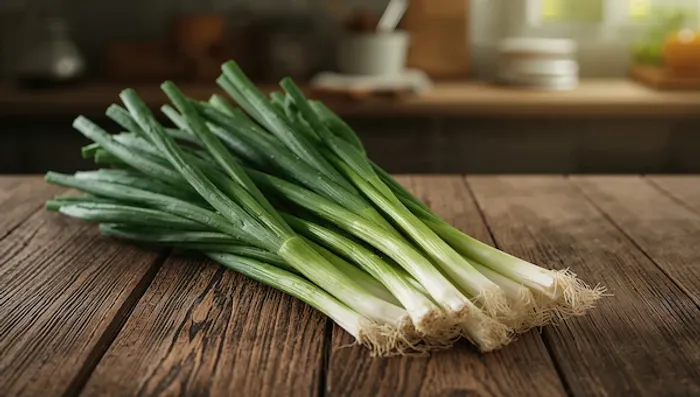
Spring onions are young onions belonging to the Allium family, which also includes onions, garlic, leeks, and chives. Both the white bulb and the long green stalks are edible. They deliver strong flavour with minimal calories while providing useful nutrients such as vitamin K, vitamin C, folate, and a range of phytonutrients, including flavonoids like quercetin. Like other allium vegetables, they contain sulfur compounds that create their characteristic aroma and pungency.
From a culinary perspective, spring onions are prized for their versatility. The white portion offers a sharper taste that softens with cooking, while the green tops provide a fresher, more herb-like flavour. Nutritionally, they contribute antioxidants and small amounts of fibre that support overall dietary quality. In Ayurveda, they are typically categorised as pungent and warming, which explains why many practitioners recommend using them in moderation and often in cooked form, especially combined with digestive spices that balance their intensity.
Spring Onion Benefits Based on Science and Ayurveda
Here are the spring onion benefits based on science and the ayurveda perspective:
Evidence-based spring onion benefits
Some evidence on spring onion benefits includes:
- While most scientific studies focus on onions and allium vegetables as a group rather than spring onions alone, many of the observed health benefits still apply.
Nutrient support
- Vitamin K, especially concentrated in the green tops, supports normal blood clotting and contributes to bone health by aiding mineral metabolism.
- Vitamin C supports immune function, promotes skin health, and acts as an antioxidant that helps protect cells from oxidative stress.
- Folate and small amounts of fibre support metabolic processes and contribute to gut health when part of a balanced diet.
Antioxidants and plant compounds
- Spring onions provide flavonoids such as quercetin and organosulfur compounds that demonstrate antioxidant and anti-inflammatory activity in laboratory and observational studies.
- Regular consumption of vegetables and alliums is associated with improved long-term heart and metabolic health when combined with overall healthy eating patterns.
Heart-healthy dietary pattern
- Diets rich in vegetables are linked with a lower risk of cardiovascular disease.
- Including spring onions as part of meals increases flavour without heavy reliance on salt or processed sauces, supporting healthier blood pressure habits and cholesterol management.
Gut-friendly use with precautions
- The green tops contain lower levels of fermentable carbohydrates that may trigger bloating in sensitive individuals, making them a gentler option within a low-FODMAP approach when guided by a professional.
Spring Onion in Ayurveda
- Ayurveda focuses on maintaining digestive balance or agni while respecting seasonal rhythms and individual constitutions. Spring onions are viewed as powerful flavour-enhancers that must be used wisely to maintain harmony in the body.
Pungent and warming nature
- Their heating quality may stimulate sluggish digestion and improve appetite when consumed in small, cooked portions.
- They are often recommended during cooler or damp seasons when digestive fire tends to weaken.
Combined preparation
- Pairing spring onions with spices like cumin, ginger, or black pepper helps temper their sharpness and support smoother digestion.
- Cooking them in healthy fats such as ghee or small amounts of oil makes them more soothing to the digestive tract.
|
Importance of moderation
- Excessive consumption may aggravate heat in the body, potentially leading to discomfort for those prone to reflux, skin irritation, or inflammatory symptoms.
- Personal constitution plays a crucial role in determining suitability and quantity.
Traditional and Everyday Uses of Spring Onion
Some traditional and everyday uses include:
How to use spring onions in daily meals?
- Add the green tops at the end of cooking to retain colour, crunch, and fresh aroma.
- Sauté the white bulbs first with ginger and cumin to create a flavour base for dals and soups.
- Sprinkle chopped greens over khichdi, stir-fries, salads, egg dishes, and whole-grain bowls.
- Blend into yoghurt raita with cucumber and mint as a cooling accompaniment.
- Prepare a light soup with spring onions, seasonal vegetables, and gentle herbs for an easy-to-digest meal.
Cooking Tips for a Sensitive Stomach
Some cooking tips for a sensitive stomach include:
- Use more greens and fewer whites as the green portion is generally milder and easier to tolerate.
- Cook low and slow to soften pungent compounds and reduce sharpness.
- Start with small amounts, such as 1 to 2 tablespoons of chopped greens, and gradually adjust based on personal comfort.
Safety, side effects, and who should be careful
Safety, side effects and caution for people consuming spring onions are:
Possible side effects
Gas and bloating
- The white bulbs are higher in FODMAPs and may trigger digestive symptoms in people with irritable bowel syndrome or sensitive digestion.
- Using only the green tops may improve tolerance for such individuals.
Heartburn and reflux
- Spring onions may worsen symptoms in those with gastro-oesophageal reflux disease if eaten in large amounts or raw form.
- Thorough cooking and smaller portions can reduce this risk.
Allergy or intolerance
- Though rare, some individuals may experience allergic reactions to allium vegetables.
- Symptoms such as hives, swelling, wheezing, or severe digestive upset require immediate cessation and medical advice.
Medication considerations
- Vitamin K content can influence the effectiveness of warfarin.
- Consistency of intake is essential, and any major dietary changes should be discussed with a healthcare professional.
Chronic conditions
- Individuals managing diabetes, high blood pressure, or other long-term conditions should view spring onions as part of a balanced diet rather than as a therapeutic solution.
Food Safety Tips
Some food safety tips include:
- Wash thoroughly under running water before use.
- Remove damaged or wilted outer layers before chopping.
- Keep raw vegetables separate from raw meat and wash all utensils properly.
- Store in the refrigerator in a breathable bag and use within a few days for best quality.
Portions and Practical Guidance
Portions and practical guidance include:
How much is reasonable?
For most healthy adults, 1/4 to 1 cup of chopped spring onions across daily meals is a typical culinary amount. Sensitive individuals should start smaller and prioritise the green tops. Those taking warfarin or similar medications should maintain steady intake levels and consult healthcare providers for personalised guidance.
Quick ways to add this ayurvedic vegetable to meals
Some easy tips to add it to meals include:
- Finish soups and dals with a handful of fresh green tops and a squeeze of lemon.
- Mix the white bulbs into vegetable stir-fries and add greens just before serving.
- Combine with yoghurt, roasted cumin, and salt for a simple dip or spread.
- Top omelettes, tofu scrambles, or chickpea pancakes with finely chopped greens.
- Fold into whole grains with olive oil, herbs, and lemon juice for a refreshing side dish.
Balanced Perspective: What Spring Onions Can and Can’t Do
Limitations and advantages include:
- They enhance flavour and make it easier to include more vegetables in the daily diet.
- They provide useful nutrients and plant compounds that support overall well-being when eaten as part of a varied diet.
- They are not a cure for disease and should be viewed as one component of a holistic lifestyle that includes balanced eating, regular movement, sufficient sleep, and professional medical care.
Conclusion
Spring onions serve as a valuable ayurvedic vegetable when used respectfully and in harmony with individual needs. Their nutritional profile, combined with traditional knowledge, highlights their role in supporting flavourful, balanced meals. Thoughtful preparation and portion control ensure that they remain gentle on digestion while enhancing overall dietary quality. Rather than a stand-alone remedy, spring onions are best appreciated as part of a holistic approach to health that integrates mindful eating, lifestyle balance, and personalised care. Used wisely, they can enrich both taste and wellbeing sustainably and enjoyably.
Consult a Top Ayurveda Doctor for Personalised Advice
Consult a Top Ayurveda Doctor for Personalised Advice

Dr. Shiv Prakash Singh
Ayurveda Practitioner
19 Years • BAMS
Kolkata
Vedhive Ayurveda College Street, Kolkata

(50+ Patients)

Dr. Anjan Das
Ayurveda Practitioner
8 Years • Ayurvedacharya ( B.A.M.S )
Dumdum
Vedhive Ayurveda Clinic, Dumdum

Dr. Rik Sadhukhan
Ayurveda Practitioner
8 Years • BAMS
Kolkata
Vedhive Ayurveda, Ballygunge, Kolkata
Consult a Top Ayurveda Doctor for Personalised Advice
Dr. Shiv Prakash Singh
Ayurveda Practitioner
19 Years • BAMS
Kolkata
Vedhive Ayurveda College Street, Kolkata
(50+ Patients)
Dr. Anjan Das
Ayurveda Practitioner
8 Years • Ayurvedacharya ( B.A.M.S )
Dumdum
Vedhive Ayurveda Clinic, Dumdum
Dr. Rik Sadhukhan
Ayurveda Practitioner
8 Years • BAMS
Kolkata
Vedhive Ayurveda, Ballygunge, Kolkata
More articles from General Medical Consultation


 Nutritional Benefits and Healthy Recipes.webp)


Frequently Asked Questions
Are spring onions and scallions the same?
Yes, these terms usually refer to the same young onions with long green stalks and mild white bulbs. Both parts are edible and commonly used.
Can I eat spring onions on a low-FODMAP diet?
Many individuals avoid the white bulbs while tolerating the green tops. Responses vary, and dietary adjustments should ideally be guided by a qualified dietitian.
Do spring onions lower blood pressure or cholesterol?
They contribute to heart-healthy eating patterns but do not act as direct medical treatments. Continue prescribed medication and professional guidance.
Are spring onions good for colds?
They provide nutrients that support general immune health but do not cure colds. Adequate rest and hydration remain essential.
How should I prepare spring onions in an Ayurvedic way?
Gentle cooking with digestive spices such as cumin and ginger is often preferred. Use in moderation and adjust according to personal comfort and constitution.