


Turkey Tail Mushroom: Science-Backed Health Benefits and Uses
Curious about the turkey tail mushroom? See the science on this immune booster, benefits, safety, how to use it, FAQs, and trusted medical references.

Introduction: Why turkey tail is getting attention
If you’ve been exploring natural ways to support immune balance, you’ve likely seen growing interest in turkey tail mushroom. This striking, fan-shaped fungus has a long history of use in traditional Asian practices and is now being researched in modern labs for its immune-modulating potential. But to understand what it may genuinely offer, it’s important to separate evidence from hype. This guide explains what turkey tail is, how its compounds may support the immune system, what human studies reveal, how to use it wisely, and when to involve your clinician for safety.Consult a Top Nutritionist for Personalised Advice
What is turkey tail?
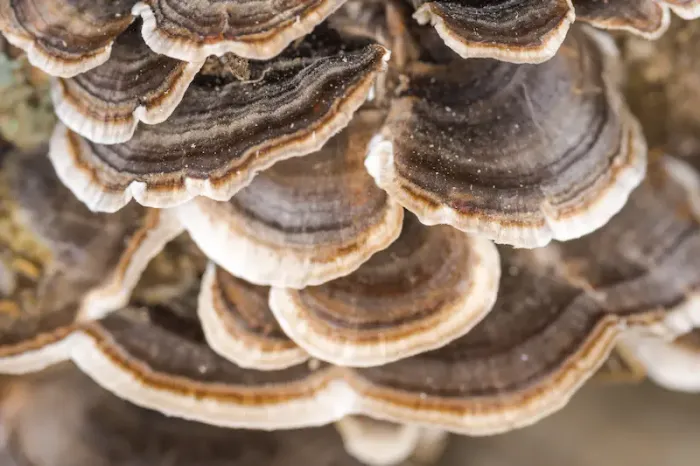
Turkey tail (Trametes versicolor, sometimes called Coriolus versicolor) is a common woodland mushroom known for its colourful rings. Historically, it has been prepared as teas or broths. Today, most supplements use hot-water extracts, concentrating specific compounds thought to influence immune and gut function.
Active compounds
- Beta-glucans
- PSK (polysaccharide-K)
- PSP (polysaccharopeptide)
These compounds appear to interact with immune cells and may influence the gut environment as well.
Is it an immune booster? What the science says
It’s more accurate to call turkey tail an immune modulator. Rather than overstimulating the immune system, beta-glucans help cells communicate more efficiently, supporting a balanced response.
What research shows
- Immune function support
Small human studies show changes in immune markers such as NK cell activity and cytokines. These shifts suggest possible support for immune surveillance, though they don’t mean the mushroom prevents infections by itself. - Cancer care (as an adjunct therapy, not a replacement)
In Japan, a pharmaceutical form of turkey tail extract (PSK) has been used for decades alongside surgery, chemotherapy, or radiation in certain cancers. Clinical studies have shown improved outcomes in specific settings. Over-the-counter supplements are not the same as prescription PSK, and results cannot be assumed to be identical. - Gut microbiome interaction
PSP may act in a prebiotic-like way in early studies by encouraging beneficial bacteria. These findings are promising but require larger trials.
What it doesn’t do
It includes:
- Not a cure-all
- No evidence shows it prevents or cures cancer, COVID-19, or other infections.
- Does not replace medical care
- Standard treatments, vaccinations, sleep, nutrition, and physical activity remain essential pillars of immune health.
- Benefits vary by extract type
Different brands use different extraction processes. Research results relate to specific, standardised extracts.
Other potential benefits are being studied
It includes:
- Antioxidant effects
- Support for quality of life during cancer care
- Digestive health through gut interactions
Research in these areas is early-stage and not conclusive.
Safety, side effects, and who should avoid it
Turkey tail appears well-tolerated for most people, but side effects and risks exist.
Possible side effects
- Digestive changes: bloating, gas, loose stools, nausea
- Mild appetite reduction
- Allergic reactions (rare but possible for those sensitive to mushrooms)
- Occasional reports of nail or skin changes in specific clinical contexts
People who should seek guidance first
- Individuals receiving cancer treatment
It may interact with chemotherapy, immunotherapy, or targeted therapies. - People on immunosuppressants
Turkey tail can modulate immune function, so medical oversight is essential. - Autoimmune conditions
Discuss benefits and risks before use. - Pregnancy or breastfeeding
Insufficient safety data — generally best avoided unless approved by a clinician. - Children
Evidence is limited; consult a paediatric clinician. - Those with upcoming surgery
Disclose all supplements; many clinicians advise pausing them before procedures.
How to use it wisely?
Follow the tips below:
Forms you’ll see
- Capsules or tablets (extract or powdered mushroom)
- Powder to mix into drinks
- Tea made from dried mushroom pieces
Dosing notes
- There is no universal, evidence-based dosing for over-the-counter products.
- Research uses standardised extracts, so retail products may differ significantly.
- Follow the manufacturer’s instructions and discuss with your clinician if you have health conditions.
Choosing a quality product
What to look for?
- Third-party testing (USP, NSF, or independent lab reports)
- Beta-glucan levels are listed clearly
- Transparent labelling on the extraction method and whether the product uses fruiting bodies or mycelium
- Reputable sourcing and GMP (Good Manufacturing Practice) adherence
What to avoid
- Products that list only polysaccharides without specifying beta-glucans
- Supplements lacking batch testing or transparency
- Claims that promise cures or dramatic results
Smart habits to pair with supplements
If your goal is immune support, supplements should complement—not replace—core healthy routines.
Essential daily habits
- Stay up to date with vaccinations
- Prioritise 7–9 hours of sleep
- Eat a diet rich in plants, fibre, and lean protein
- Move regularly (walking, strength training, stretching)
- Manage stress (breathing exercises, mindfulness, social connection)
Practise hand hygiene and stay home when unwell
These habits create a stronger foundation for immune health than any single product.
When to talk to your doctor or pharmacist?
You should seek professional advice if:
- You take prescription medications
- You have chronic health conditions
- You are undergoing cancer treatment
- You notice new side effects after starting turkey tail
- You are pregnant, breastfeeding, or considering giving it to a child
- You want to compare your product with extracts used in clinical studies
Conclusion
Turkey tail mushroom is an intriguing and well-studied member of the medicinal mushroom family, offering potential immune-modulating effects and, in specific prescription forms, supportive benefits in certain cancer-care settings. However, it is not a cure, and over-the-counter supplements vary significantly in quality. If you choose to explore turkey tail, prioritise reputable brands, moderate expectations, and open communication with your healthcare team. Most importantly, let supplements support—not replace—the foundational habits that truly strengthen long-term immune health.Consult a Top Nutritionist for Personalised Advice
Consult a Top Nutritionist for Personalised Advice

Dr. Ramalinga Reddy
General Physician
5 Years • MBBS MD General medicine
Bengaluru
PRESTIGE SHANTHINIKETAN - SOCIETY CLINIC, Bengaluru

Mrs Sneha P V
Nutritionist
10 Years • Master of science in Food and Nutrition
Bengaluru
Apollo Clinic, Sarjapur Road, Bengaluru

Dt. Prabhavathy
Clinical Nutritionist
8 Years • Msc Human Nutrition & Nutraceuticals
Madurai
Apollo Sugar Clinics, Madurai, Madurai

Ms. Bhavana Shetty
Dietician
7 Years • DDHN & Masters in Clinical Nutrition & Dietetics
Bangalore
Apollo Sugar Clinic, Seetha circle bangalore, Bangalore
Dt. Ila Sharma
Clinical Nutritionist
18 Years • Master in food & Nutrition
Gurugram
VIPUL GREENS - SOCIETY CLINIC, Gurugram
Consult a Top Nutritionist for Personalised Advice
Dr. Ramalinga Reddy
General Physician
5 Years • MBBS MD General medicine
Bengaluru
PRESTIGE SHANTHINIKETAN - SOCIETY CLINIC, Bengaluru
Mrs Sneha P V
Nutritionist
10 Years • Master of science in Food and Nutrition
Bengaluru
Apollo Clinic, Sarjapur Road, Bengaluru
Dt. Prabhavathy
Clinical Nutritionist
8 Years • Msc Human Nutrition & Nutraceuticals
Madurai
Apollo Sugar Clinics, Madurai, Madurai
Ms. Bhavana Shetty
Dietician
7 Years • DDHN & Masters in Clinical Nutrition & Dietetics
Bangalore
Apollo Sugar Clinic, Seetha circle bangalore, Bangalore
Dt. Ila Sharma
Clinical Nutritionist
18 Years • Master in food & Nutrition
Gurugram
VIPUL GREENS - SOCIETY CLINIC, Gurugram
More articles from General Medical Consultation

Frequently Asked Questions
1) Is turkey tail mushroom really an immune booster?
It works more as an immune modulator than a booster. Studies show it can influence immune markers, but it does not act as a barrier against all infections, and overall lifestyle habits still matter more.
2) Can turkey tail treat or cure cancer?
No. Turkey tail cannot cure cancer. Only a specific prescription extract (PSK) has evidence as an adjunct to cancer therapy in certain settings. Over-the-counter supplements are not the same and should never replace medical treatment.
3) How long does it take to notice effects?
.It varies. Some studies examine changes over several weeks or months. Most people will not feel an immediate difference because the effects, if any, are at the immune system level.
4) Can I take it with my medications?
Possibly — but interactions are a concern. Because turkey tail affects immune activity, it may interact with immunosuppressants or cancer treatments. Always check with your clinician.
5) What’s the difference between turkey tail and other medicinal mushrooms?
Each mushroom species has distinct compounds. Reishi is studied mainly for stress and sleep; lion’s mane for cognition; turkey tail for immune modulation and gut-related research. Extract quality matters greatly for all of them.