


What Is a Kumquat? Unique Benefits & Characteristics
Discover kumquat benefits: a bite-sized citrus fruit rich in fibre and vitamin C. Get exotic fruit facts, nutrition tips, uses, and safety advice.

Written by Dr. Rohinipriyanka Pondugula
Reviewed by Dr. Vasanthasree Nair MBBS
Last updated on 14th Jan, 2026
Introduction
Curious about kumquats? These tiny, bright orange citrus fruits are bursting with flavour, and potential health perks. In this guide, we’ll break down kumquat benefits in clear, easy-to-understand terms. You’ll learn how they compare to other citrus fruits, how to eat them (yes, peel and all!), and practical exotic fruit facts that make them worth adding to your grocery list. If you’re looking for a simple way to boost vitamin C and fibre in your diet, kumquats can be a zesty, convenient choice.
What Is A Kumquat?
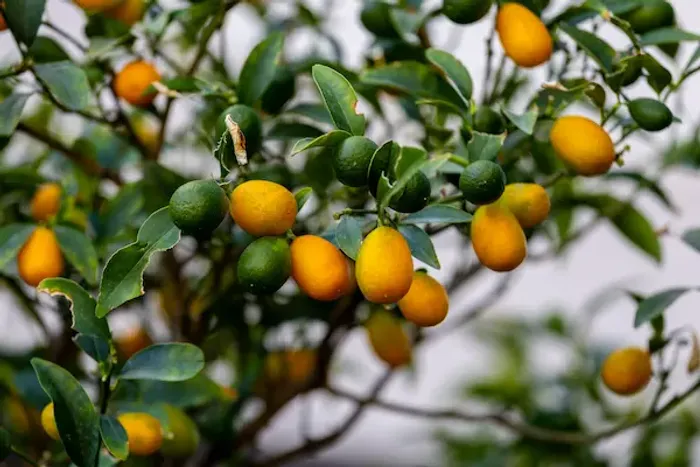
Kumquats are small, oval citrus fruits you can eat whole, peel, pulp, and all. The peel tastes sweet, while the inside is pleasantly tart, giving a naturally balanced, bright flavour. They’re typically in season during the cooler months and are often used in salads, sauces, marmalades, and snacks.
Quick Facts
- Category: Citrus fruit
- Size: About the size of a large grape or olive
- Taste: Sweet peel, tart flesh
- How to eat: Rinse and enjoy whole; you can also slice, cook, or candy them
- Common varieties: Nagami (oval, tangy), Meiwa (rounder, sweeter)
Kumquat Benefits: Nutrition And Health At A Glance
Kumquats are a nutrient-dense snack, offering a mix of vitamins, minerals, fibre, and plant compounds found in many
citrus fruits.
Potential Benefits
- Immune support: Kumquats provide vitamin C, which supports normal immune function.
- Digestive health: Their peel and pulp contain dietary fibre that supports regularity and a healthy gut.
- Heart-friendly eating pattern: fibre-rich, plant-forward diets are linked to better heart health; kumquats can fit into that
pattern. - Antioxidants: Like other citrus, kumquats contain antioxidant compounds (including flavonoids and carotenoids) that
help protect cells from oxidative stress. - Weightwise snack: They’re flavorful, portable, and provide fibre, which can help you feel satisfied for fewer calories.
Note: Most health benefits come from your overall eating pattern, not a single food. Kumquats can be a smart addition
to a balanced diet rich in fruits and vegetables.
Key Nutrients In Kumquats
While exact amounts vary by size and variety, kumquats typically provide:
- Vitamin C: An essential antioxidant that supports immune function and collagen formation.
- Fibre: Found in both peel and pulp; supports healthy digestion and can help manage cholesterol as part of a heart-
healthy diet. - Plant compounds: Flavonoids (common in citrus) and carotenoids that contribute to antioxidant activity.
- Potassium: A mineral that supports normal blood pressure as part of an overall healthy diet.
How Do Kumquats Compare To Other Citrus Fruits?
Kumquats stand out in the citrus family due to their edible peel and unique flavour profile, setting them apart from
common fruits like oranges and lemons:
- You eat the peel: Unlike oranges or grapefruits, kumquat peel is tender, aromatic, and sweet, and it’s where much of
the fibre and some antioxidants are found. - Big citrus flavour in a small package: Their tart-sweet balance is more intense than many citrus fruits, making them
great for adding a pop of flavour. - Versatile in the kitchen: Because you can eat them whole, they’re easy to toss into salads, salsas, or grain bowls without
peeling or segmenting.
Exotic Fruit Facts: Buying, Storing, And Prepping Kumquats
Your Guide to Buying, Storing, and Prepping This Tangy Treat.
How To Choose?
- Look for firm, smooth, bright-colored fruits without soft spots or wrinkles.
- A fresh, citrusy aroma is a good sign.
How To Store?
- Counter: Up to 3–5 days.
- Refrigerator (in a breathable bag or container): Up to 2 weeks.
- Freezer: Slice and freeze for smoothies, sauces, or compotes.
How To Prep?
- Rinse thoroughly; remember, you’re eating the peel.
- Roll gently between your fingers to release the peel’s aromatic oils and round out the flavour.
- Eat whole, or slice to remove seeds if you prefer.
Tasty Ways To Use Kumquats
Kumquats offer a bright burst of citrus flavour perfect for sweet and savoury dishes.
Quick Ideas
- Snack: Eat whole, like grapes.
- Salad topper: Thinly slice and add to green or grain salads with feta, arugula, or quinoa.
- Salsas and relishes: Mix with red onion, cilantro, lime, and jalapeño for fish or chicken.
- Breakfast: Add yogurt, oatmeal, or cottage cheese.
- Sauces and sides: Simmer with a little honey and water for a quick compote; spoon over pancakes, yogurt, or roasted
vegetables. - Marmalade or chutney: Their natural tartness shines in preserves.
- Roasting: Toss with olive oil and roast alongside chicken or Brussels sprouts for a citrusy glaze.
Who Might Want To Be Cautious?
- Citrus allergy: Avoid kumquats if you have a known citrus allergy.
- Sensitive stomach or reflux: The acidity of citrus fruits can bother some people; test small amounts.
- IBS or sensitive digestion: The fibre and peel may be challenging; adjust portion size to your comfort.
- Young children: Slice to reduce choking risk and remove seeds if needed.
How Many Kumquats Count As A Serving?
Fruit intake recommendations are usually given by “cups” per day rather than by specific fruit types. As a general
guide, adults are encouraged to aim for about 1.5–2 cups of fruit daily as part of a balanced diet. A generous handful of
kumquats (for example, enough to fill about 1 cup when sliced) can help you meet that goal.
Smart Tips For Enjoying Kumquats
- Pair with protein or healthy fats: Try kumquats with nuts, yogurt, or cheese to make snacks more satisfying.
- Balance flavours: Combine with mildly sweet ingredients (like roasted carrots or sweet potatoes) to complement their
tartness. - Rinse after acidic foods: If you have sensitive teeth, a quick water rinse after eating citrus can be helpful.
Kumquats And Wellness: What The Research Suggests?
Kumquats are tiny, potent citrus fruits increasingly recognized for their potential wellness benefits rooted in their rich
antioxidant and nutritional profile:
- Vitamin C: Supports normal immune function and collagen formation, and acts as an antioxidant.
- Fibre: Helps promote regularity and supports heart health by assisting with cholesterol management as part of a
healthy diet. - Overall diet pattern: Eating a variety of fruits and vegetables is linked to better overall health outcomes; kumquats are
an easy way to add variety and nutrient density.
Consult a Top General Physician
Consult a Top General Physician

Dr. Anand Ravi
General Physician
2 Years • MBBS, FEM
Bengaluru
PRESTIGE SHANTHINIKETAN - SOCIETY CLINIC, Bengaluru

Dr. Dhanraj K
General Physician/ Internal Medicine Specialist
25 Years • MBBS, MD Internal Medicine - Osmania Medical College, Hyderabad
Hyderabad
Apollo Hospitals Jubilee Hills, Hyderabad

(450+ Patients)

Dr P Sai Avinash
General Physician/ Internal Medicine Specialist
7 Years • MBBS
Bengaluru
Apollo Medical Center, Marathahalli, Bengaluru

Dr. Harshendra Jaiswal
General Physician/ Internal Medicine Specialist
12 Years • MBBS , MD (General medicine)
Kolkata
108 DHANA DHANVANTARI Clinic, Kolkata
(25+ Patients)

Dr. Swarna Deepak K
General Physician/ Internal Medicine Specialist
20 Years • MBBS: MD (Internal Medicine) MRCP (UK), EDIC (European Diploma in Critical Care), IDCCM, IFCCM (Critical Care), FID (Royal Liverpool Academy)
Hyderabad
Apollo Hospitals Jubilee Hills, Hyderabad
(450+ Patients)
More articles from General Medical Consultation



Frequently Asked Questions
1. Are kumquats good for you?
Yes. Kumquats offer vitamin C, fibre, and antioxidant plant compounds. They’re a nutritious, flavorful fruit to include in a balanced diet.
2. Can you eat the peel of a kumquat?
Absolutely. The peel is sweet, aromatic, and tender. Rinse well before eating, and enjoy them whole or sliced.
3. Are kumquats good for people with diabetes?
They can fit into a diabetes-friendly eating plan. Their fibre can help blunt blood sugar spikes when eaten in reasonable portions. Monitor your personal response and follow your care team’s guidance.
4. How do kumquats compare to other citrus fruits for vitamins?
Like many citrus fruits, kumquats are a good source of vitamin C and also provide fibre. The edible peel adds extra fibre and plant compounds you might not get if you peel other citrus.
5. How should I store kumquats to keep them fresh?
Keep them in the refrigerator for up to two weeks. For shorter-term use, leave them at room temperature for a few days. Rinse before eating.