



Why Staying Hydrated is Crucial for Office Workers
Hydration tips for office health and workplace wellness: how much to drink, signs of dehydration, and easy ways to stay focused and energized at your desk.

Introduction
If you spend most of your day at a computer, staying hydrated can easily slip your mind. Yet even mild dehydration can sap your energy, trigger headaches, and make it harder to focus, none of which helps you do your best work. This guide brings you clear, science-backed hydration tips for better office health and overall workplace wellness, so you can feel alert, comfortable, and productive all day.
Why Is Hydration Crucial For Office Health?
Water does more than quench thirst. It supports nearly every system in your body, including those that matter most at work.
- Brain and mood: Even mild dehydration can affect attention, short-term memory, and mood. People often report feeling more fatigued and less alert when they haven’t had enough fluids.
- Headache prevention: Dehydration is a common trigger for headaches. Drinking enough fluids can help reduce the
frequency for some people. - Energy and comfort: Adequate hydration helps regulate body temperature, keeps joints and tissues lubricated, supports
digestion, and can reduce feelings of sluggishness. - Long-term health: Good hydration supports kidney function and can lower the risk of kidney stones. It also helps the
heart pump blood more easily.
Consult a Top General Physician
How Much Water Do Office Workers Need?
There’s no single “right number” that fits everyone, but there are helpful benchmarks. The U.S. National Academies of
Sciences, Engineering, and Medicine suggests a daily adequate intake (from all beverages and foods) of:
- About 3.7 liters (125 ounces) for men
- About 2.7 liters (91 ounces) for women
Important Notes:
- These totals include all fluids, water, coffee, tea, milk, and the water content in foods like fruits and vegetables.
- Your needs go up in hot environments, during illness (fever, vomiting, diarrhea), with higher physical activity, or if you
take certain medications. - A simple check: you’re likely well hydrated if you rarely feel thirsty and your urine is light yellow or colorless. Dark
yellow urine usually means you need more fluids.
If you have kidney, heart, or liver disease or are on fluid-restricted plans, check with your healthcare professional for
personalized advice.
Signs You Might Be Dehydrated At Work
Recognizing early signs helps you course-correct quickly:
- Thirst or dry mouth
- Headache
- Fatigue or low energy
- Dizziness or lightheadedness
- Dark yellow, strong-smelling urine
- Constipation
- Dry skin or lips
If symptoms are severe, persistent, or accompanied by confusion, rapid heartbeat, or fainting, seek medical care.
Hydration Tips For Busy Workdays
You don’t need a complicated routine. Small, consistent habits make the biggest difference.
Daily Habits
- Start your day with a glass of water.
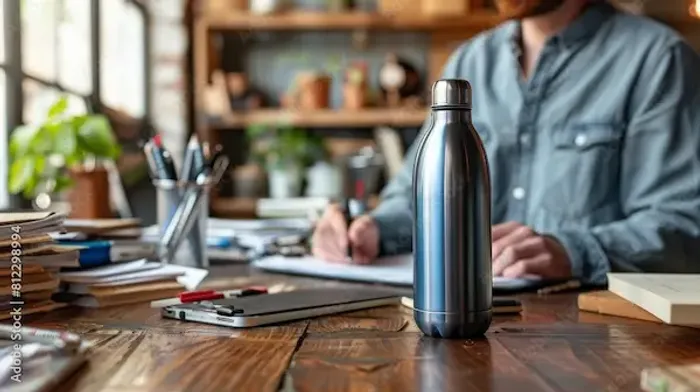
- Keep a refillable bottle at your desk where you can see it.
- Pair sips with routine tasks (e.g., after emails, before meetings, during breaks).
- Set gentle reminders with your phone or computer if you often forget.
- Drink a glass of water with each meal and snack.
- Choose water first: swap at least one sugary drink a day for water or unsweetened tea.
Smart Beverage Choices
- Best everyday picks: water (still or sparkling), unsweetened tea, and coffee in moderation, and low-fat milk or fortified
milk alternatives. - Coffee and tea do count toward your daily fluids. Moderate caffeine intake is generally fine for most healthy adults,
though very high caffeine can cause jitters or sleep issues. - Limit sugar-sweetened drinks (regular soda, many energy drinks, sweet teas). They add calories without helping hunger
and can spike blood sugar.
What About Electrolyte Drinks?
- For typical office days, water is enough. Most people don’t need sports drinks unless they’re exercising intensely for an
hour or more, working in high heat, or losing a lot of sweat and electrolytes. - If you do need one, choose options lower in added sugar and check the sodium content.
Eat Your Water
- Add water-rich foods: cucumbers, lettuce, tomatoes, berries, oranges, melon, apples, grapes, yogurt, and soups.
- A salad, fruit cup, or broth-based soup at lunch helps you hydrate and adds nutrients.
Make It Enjoyable
- Try a squeeze of lemon, lime, or orange.
- Infuse water with berries, cucumber, mint, or ginger.
- Enjoy sparkling water if you prefer fizz.
Plan Around Meetings And Breaks
- Drink before long meetings or presentations so you’re not playing catch-up later.
- Keep a cup or bottle in meeting rooms.
- Use short stretch breaks as a cue to sip water and rest your eyes.
Travel And Hybrid Work Tips
- Pack a handy, leak-proof bottle in your bag.
- Refill at the airport after security.
- In unfamiliar offices, locate water stations as soon as you arrive.
Workplace Wellness Strategies That Support Hydration
Hydration works best as a team sport. Supportive environments boost success.
For Employees
- Make hydration part of your routine calendar—add gentle reminders.
- Advocate for easy access to clean, safe drinking water.
- Bring water to meetings and encourage quick “water breaks.”
For Managers And Hr
- Keep water stations visible, functional, and well-stocked.
- Encourage a bottle-friendly culture (and provide branded reusable bottles if possible).
- Offer unsweetened beverage options at events.
- Include hydration education in wellness newsletters or onboarding materials.
- Add short wellness breaks (hydration + stretch + eye rest) to long meetings.
These small shifts can elevate office health and overall workplace wellness without adding cost or friction.
Hydration And Common Office Health Concerns
Headaches And Concentration
- Mild dehydration can reduce alertness and increase headache risk. Keeping up with fluids throughout the day may help
reduce these episodes and support clearer thinking.
Kidney Health
- Adequate fluid intake helps the kidneys filter waste effectively and is associated with a lower risk of kidney stones. If
you’ve had stones, your clinician may suggest specific daily fluid targets.
Digestive Comfort
- Proper hydration supports regular bowel movements and can help prevent constipation, especially when paired with
fiber-rich foods and movement breaks.
Temperature And Indoor Air
- Air-conditioned or heated offices can feel dry. You may not feel sweaty, but you still lose water through breathing. Consistent sipping can offset this.
A Simple 7-Day Hydration Reset Plan
Try this gentle plan to build sustainable habits, no strict rules, just structure.
Day 1: Set Up For Success
- Choose a favorite 16–24 oz bottle and keep it within reach.
- Add two reminders: mid-morning and mid-afternoon.
Day 2: Morning Momentum
- Drink one glass (8–12 oz) right after waking.
- Refill your bottle before you open your inbox.
Day 3: Pair With Meals
- Add one glass at breakfast, lunch, and a glass or tea with your afternoon snack.
Day 4: Flavor And Fun
- Infuse your water with citrus, mint, or berries to make it more appealing.
- Swap one sugary drink for water or unsweetened tea.
Day 5: Movement Cue
- After every 60–90 minutes of sitting, standing, stretching, and taking 5–10 sips.
Day 6: Food Synergy
- Include at least two water-rich foods today (e.g., salad + fruit).
Day 7: Reflect And Adjust
- Check how you feel: energy, focus, headaches, bathroom breaks.
- Tweak reminders and flavors so the routine feels natural.
Special Considerations
- Exercise: If you work out before or after the office, drink a glass of water beforehand and another after. For vigorous
exercise over an hour or in heat, you may need additional fluids and electrolytes. - Caffeine: Moderate intake can be part of a healthy hydration plan. If you’re sensitive to caffeine or have sleep issues,
keep caffeine to earlier in the day. - Medical conditions: If you have kidney disease, heart failure, liver disease, or you’re on diuretics or fluid restrictions,
follow your clinician’s guidance on fluid amounts.
Quick Checklist For The Workday
- Bottle on desk and in sight
- Morning glass of water
- Sips paired with routine tasks
- Water-rich foods at lunch or snack
- Afternoon reminder before energy dips
- Unsweetened options within reach at meetings
Consult a Top General Physician
Consult a Top General Physician

Dr Syed Mateen Pasha
General Physician
2 Years • MBBS
Bengaluru
PRESTIGE SHANTHINIKETAN - SOCIETY CLINIC, Bengaluru


Dr. D Bhanu Prakash
General Practitioner
10 Years • MBBS, AFIH, Advanced certificate in critical care medicine, Fellowship in critical care medicine
Hyderabad
Apollo 24|7 Clinic, Hyderabad

Dr. Harshendra Jaiswal
General Physician/ Internal Medicine Specialist
12 Years • MBBS , MD (General medicine)
Kolkata
108 DHANA DHANVANTARI Clinic, Kolkata

(25+ Patients)

Dr. Ajay K Sinha
General Physician/ Internal Medicine Specialist
30 Years • MD, Internal Medicine
Delhi
Apollo Hospitals Indraprastha, Delhi
(225+ Patients)

Dr. Thandra Ramoji Babu
General Physician/ Internal Medicine Specialist
5 Years • MBBS, DNB(General Medicine)
Warangal
Sai Ram multi-specialty hospital, Warangal
Consult a Top General Physician
Dr Syed Mateen Pasha
General Physician
2 Years • MBBS
Bengaluru
PRESTIGE SHANTHINIKETAN - SOCIETY CLINIC, Bengaluru
Dr. D Bhanu Prakash
General Practitioner
10 Years • MBBS, AFIH, Advanced certificate in critical care medicine, Fellowship in critical care medicine
Hyderabad
Apollo 24|7 Clinic, Hyderabad
Dr. Harshendra Jaiswal
General Physician/ Internal Medicine Specialist
12 Years • MBBS , MD (General medicine)
Kolkata
108 DHANA DHANVANTARI Clinic, Kolkata
(25+ Patients)
Dr. Ajay K Sinha
General Physician/ Internal Medicine Specialist
30 Years • MD, Internal Medicine
Delhi
Apollo Hospitals Indraprastha, Delhi
(225+ Patients)
Dr. Thandra Ramoji Babu
General Physician/ Internal Medicine Specialist
5 Years • MBBS, DNB(General Medicine)
Warangal
Sai Ram multi-specialty hospital, Warangal
More articles from General Medical Consultation

.webp)
Frequently Asked Questions
1. How many cups of water should I drink per day?
There’s no exact number for everyone. A general benchmark from the National Academies is about 3.7 liters (125 oz) daily for men and 2.7 liters (91 oz) for women from all beverages and foods. Use thirst and light-yellow urine as practical guides, and adjust for activity, heat, and health conditions.
2. Does coffee or tea count toward hydration?
Yes. Coffee and tea contribute to your daily fluid intake. Just keep added sugars in check and be mindful of caffeine if you’re sensitive to it.
3. Is sparkling water as hydrating as still water?
Yes, plain sparkling water hydrates as well as still water. Choose options without added sugars or sodium if you’re watching salt intake.
4. Do I need sports or electrolyte drinks at my desk?
Usually not. For typical desk work, water is enough. Consider an electrolyte drink if you’ve been exercising intensely, sweating heavily, or working in high heat.
5. How can I tell if I’m well hydrated?
You’re likely well hydrated if you rarely feel thirsty and your urine is light yellow or colorless. Darker urine is a sign to drink more fluids.