


- male
- 60 Years
- 01/04/2021
Does your body warn you before a heart attack?

Answered by 1 Apollo Doctors

Yes. Chest discomfort. It can feel like uncomfortable pressure, squeezing, fullness or pain. Discomfort in other areas of the upper body Shortness of breath. This can occur with or without chest discomfort. Other possible signs include breaking out in a cold sweat, nausea or lightheadedness.
Dr. Shubham Suggests...
Consult a Cardiologist
Answered 04/07/2025
0
0


Ask Apollo
AI powered Health Chatbot
-
Common Warning Signs Before a Heart Attack
- Chest discomfort or pain, often described as pressure or squeezing.
- Shortness of breath, even without chest pain.
- Sudden sweating, nausea, or vomiting.
-
Less Typical or Atypical Symptoms
- Unexplained fatigue or weakness.
- Pain in the jaw, neck, or back.
- Light-headedness or feeling faint.
-
Importance of Recognizing Symptoms Early
- Early recognition can save lives by allowing prompt medical intervention.
-
When to Seek Immediate Medical Help
- Call emergency services if you experience severe chest pain, sudden shortness of breath, or any combination of the symptoms mentioned.
-
Preventive Measures and Regular Check-ups
- Maintain a healthy lifestyle, take prescribed medications, and schedule regular health screenings.
-
Relevant Medical Specialties and Tests
- Consult a cardiologist.
- Diagnostic tests like ECG or blood tests can help evaluate heart health.
Recommended next steps
Consult a Cardiologist or Take a CBC Test (Complete Blood Count) Test
Answered 20/08/2025
0
0
More Cardiology Health Queries
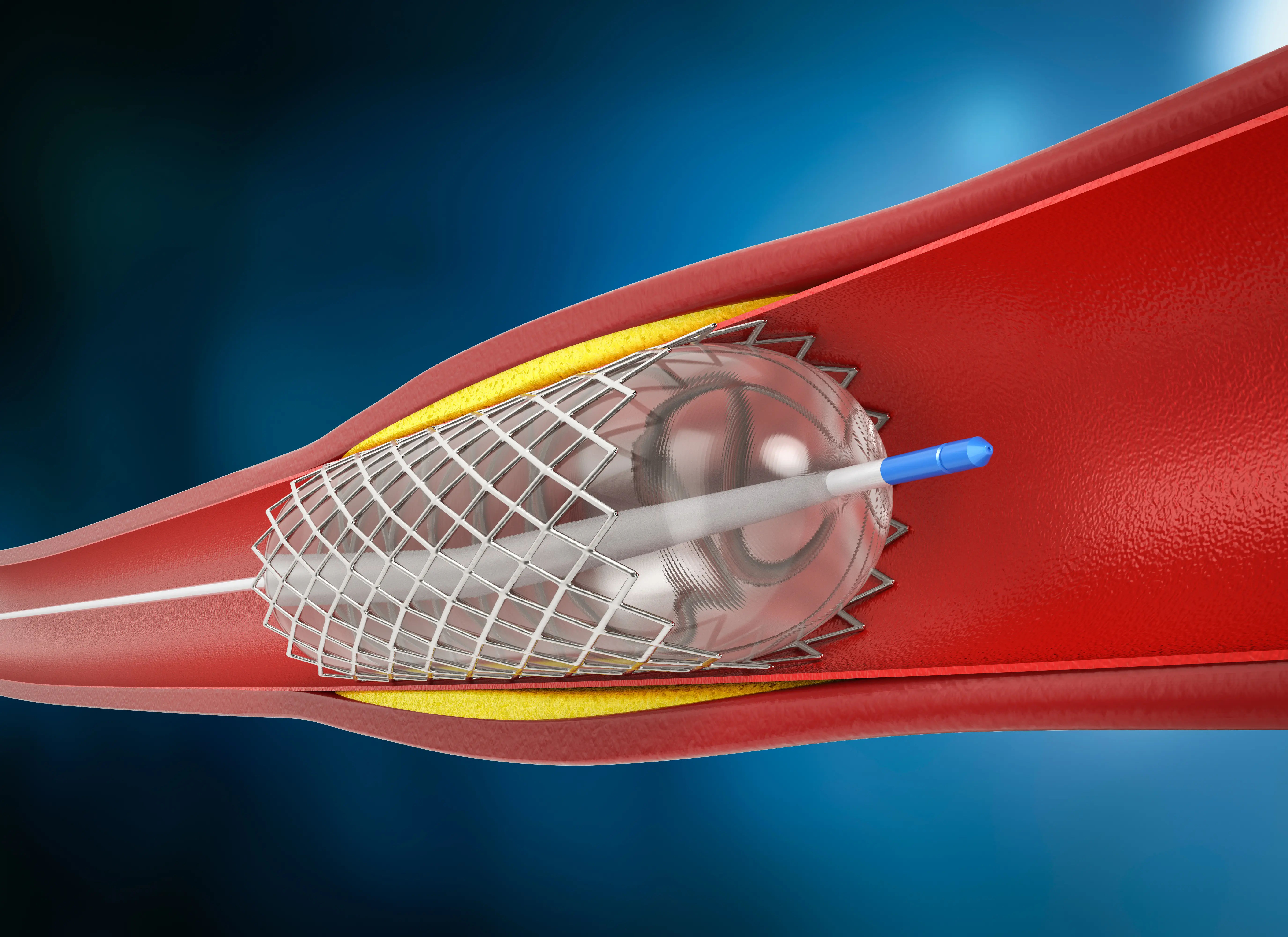
View allSo, my dad has been having this burning feeling in his feet and they found out its because of a blockage in the artery in his legs. He also has some kidney problems that we didnt know about because hes had high blood pressure for a long time without knowing it. Now theyre suggesting he gets an angiography done for both his leg and chest, and theyve started him on hypertension meds. Hes super active and has been walking for at least 2 hours every day for years without any issues. Do you think going through with the angiography and possibly angioplasty makes sense for someone his age since he doesnt really show any other symptoms?
Considering your father's age and his active lifestyle, it is important to assess the risks and benefits of angiography and angioplasty. These procedures can help in diagnosing and treating blockages in the arteries, which can improve blood flow to the legs and reduce symptoms like burning sensation in the feet. For someone with a history of undiagnosed hypertension and deteriorating kidney function, it is crucial to manage these conditions to prevent further complications. The hypertension medication prescribed will help in controlling blood pressure and protecting the kidneys. In this case, it would be best for your father to follow the advice of his healthcare provider and undergo the recommended angiography. Based on the results of the angiography, further decisions can be made regarding the need for angioplasty or other interventions. It is important to prioritize his cardiovascular health to maintain his active lifestyle and overall well-being. Additionally, it is essential for your father to continue his regular physical activity, like walking, as it is beneficial for his cardiovascular health. Ensuring a healthy lifestyle, including a balanced diet and regular exercise, is key in managing these conditions. If you have any further questions or concerns, feel free to ask.


Answered by 1 Apollo Doctors
I recently had a blood pressure reading of 140 over 100 and my doctor prescribed some medication. Later, I went through an echo and it turned out I have high anxiety. I'm curious, can echo tests really measure anxiety? And do you think this is something that can be cured, or does it mean I'll be on medication for both anxiety and blood pressure for the rest of my life?
Anxiety cannot be measured in an echocardiogram. Anxiety is a psychological condition that is typically diagnosed based on symptoms and a clinical evaluation by a mental health professional. Treatment for anxiety may include therapy, lifestyle modifications, and medications such as selective serotonin reuptake inhibitors (SSRIs) like Sertraline. It is possible to manage and even overcome anxiety with the right treatment approach. However, it is important to follow your doctor's recommendations and continue with any prescribed medications for both anxiety and high blood pressure to effectively manage both conditions.
Answered by 1 Apollo Doctors
My dad had a heart attack recently and the doctor suggested he needs an angiography. I'm really worried and wonder what we should expect from this procedure. Is it risky, or are there any side effects we should be aware of? How soon should he have it done, and is there anything specific we need to prepare for before the angiography?
After a heart attack, angiography is often recommended to assess the extent of blockages in the coronary arteries. This procedure can help determine the best course of treatment. Your father may be prescribed medications such as Aspirin, Clopidogrel, and Atorvastatin to prevent further complications and manage his heart health. The dosage and duration of these medications will be determined by his doctor based on his individual condition.
Answered by 1 Apollo Doctors
Health Articles for you
View all



Disclaimer: Answers on Apollo 247 are not intended to replace your doctor advice. Always seek help of a professional doctor in case of an medical emergency or ailment.